Ethnic food has also influenced the availability and distribution of ingredients.
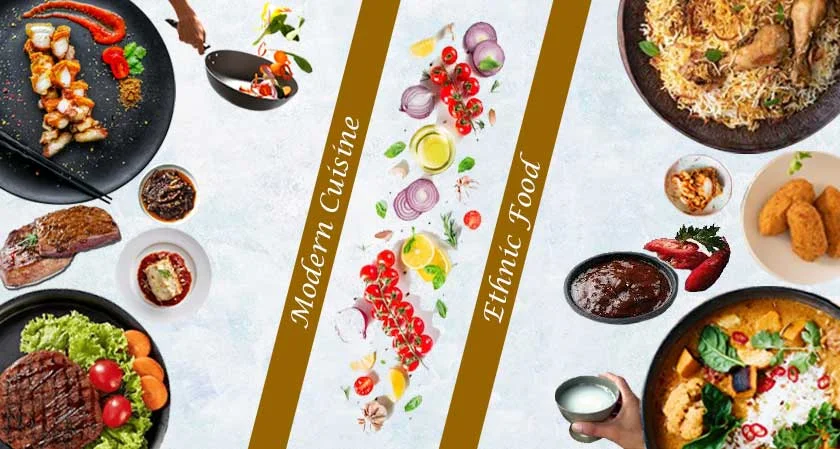
Ethnic food has had a significant influence on modern cuisine, shaping the way we consume and experience food in our daily lives. As people from different cultures move and travel across the world, they bring with them their unique food traditions. This has led to the emergence of diverse tastes and flavors in the culinary world, making modern cuisine more diverse and colorful. One of the most significant impacts of ethnic food on modern cuisine is the fusion of various flavors and cuisines to create new dishes. The blending of cultures has resulted in the creation of unique spices, herbs, and cooking techniques that have become staples in many modern dishes. For instance, the popularity of Thai food in the Western world has given rise to the fusion of Thai and American cuisine, where dishes such as Pad Thai burgers and Thai chicken pizza have become popular among food enthusiasts.
Ethnic food has also influenced the availability and distribution of ingredients. This resulted in a wider range of produce on the market. As more people embrace diversity in their food choices, new ingredients from far-flung regions make their way into local grocery stores, allowing individuals to experiment with new flavors and textures in their cooking. This, in turn, has led to an increased demand for ingredients such as turmeric, ginger, lemongrass, and cardamom, which are commonly used in ethnic food. As more people continue to embrace and celebrate cultural diversity in their food choices, we can expect to see an even wider range of flavors and cuisines in the future.


.webp)