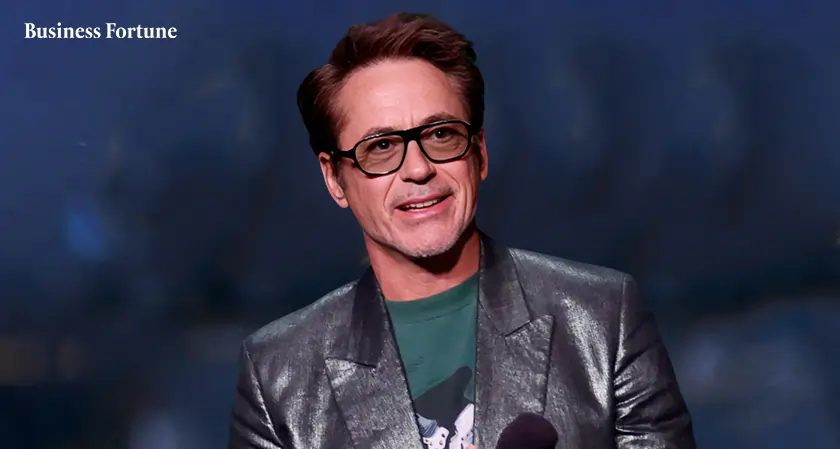
Robert Downey Jr. sparks debate after rejecting the idea that influencers are the future of entertainment, arguing that viral fame cannot replace real talent and creativity.
Today, it is impossible to ignore the fact that viral clips, views and likes can create overnight celebrities, where social media has turned ordinary people into global celebrities faster than Hollywood ever could. Anyone can start today in a bedroom with nothing more than a phone and an internet connection. But Robert Downey Jr. says there is still a major difference between being famous online and becoming a true entertainer.
Speaking on the Conversations for our Daughters podcast in May 2026, the Oscar-winning actor dismissed the growing belief that influencers are the “stars of the future,” calling the idea “absolute horsesh*t.” His comments instantly sparked debate across entertainment circles and social media platforms.
Viral Fame Is Not Real Stardom
Anyone can go viral, but can they last? Robert Downey’s biggest concern was not the influencers, it was the idea that visibility is now being confused with skill. He pointed out that modern platforms allow people to gain massive attention simply by “rolling a phone on themselves”. In his view, acting, music and filmmaking still demand years of discipline, emotional range and creative depth.
For decades, Hollywood stars earned recognition through performances that survived trends and algorithms. Today, however, fame can arrive overnight through short videos, gaming streams, or viral moments. The entertainment industry is no longer controlled only by studios or networks. Phones have become personal broadcasting stations.
However, Downey admitted that many influencers he has met while promoting films are “grounded, accomplished, cool people.” Still, he believes influencer culture should stand through genuine individuality instead of constant self-promotion.
“Build Something” Was the Real Message
Downey urged younger generations to focus on building skills, educating themselves, and creating meaningful work rather than chasing online validation. According to him, too much of influencer culture risks becoming performative instead of productive.
In the podcast, Downey spoke about his 14-year-old son getting drawn into influencer culture. Downey described that it started to feel almost like a “religion,” where online attention, followers, and donations became deeply tied to a person’s sense of identity and validation.
Are Influencers Really Replacing Actors
Not exactly. As Business Fortunes sees, influencers already hold enormous power in marketing, fashion, gaming, and even film promotion. Studios increasingly rely on creators to reach younger audiences. Some influencers are also crossing into mainstream entertainment through movies, music, and television.
But Downey’s argument is bigger than competition. He is questioning whether internet fame alone can create the same cultural legacy as performers who shape storytelling for generations. Viral relevance and artistic longevity is not the same thing.
That does not mean influencers will disappear. If anything, they will become even more influential in the years ahead. But Hollywood may be entering a future where creators and traditional entertainers coexist rather than replace one another.
And as Robert Downey Jr. prepares to return to the Marvel universe as Doctor Doom in Avengers: Doomsday this December, his comments feel less like an argument and more like a reminder: attention can make someone famous but craft is what makes them unforgettable.


.webp)