- Sowmiya Sri Mani
Pakistan mediates historic ceasefire between the United States and Iran, with Islamabad emerging as a key mediator driving peace efforts across the Middle East.
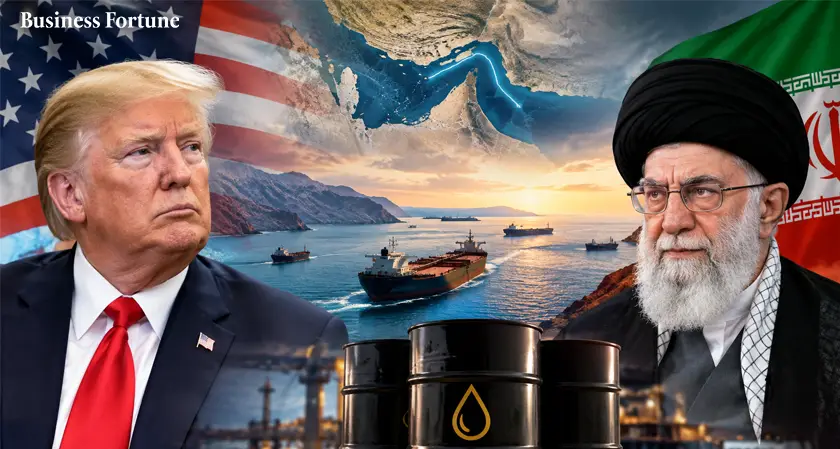
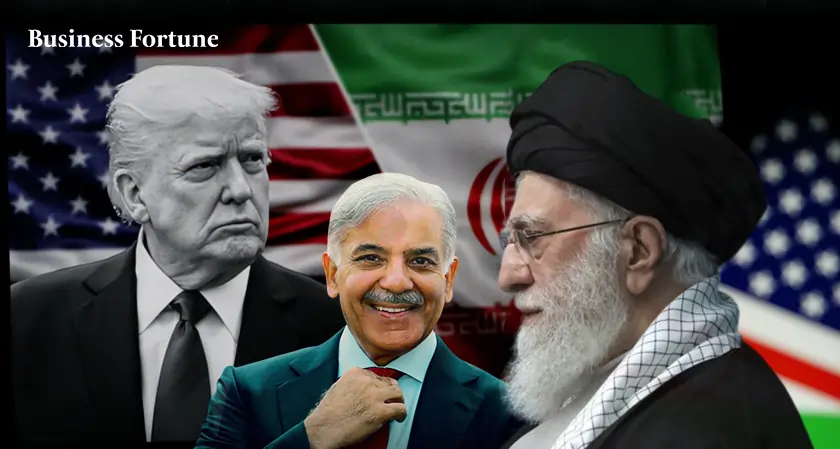
Pakistan Prime Minister Shehbaz Sharif announced on Wednesday that Islamabad played a central role in mediating a historic truce between the United States and Iran. According to him, both countries and their allies have agreed to a ceasefire all over the region, following intensive mediation led by Pakistan.
Iran’s Foreign Minister, Seyed Abbas Araghchi, confirmed the two-week Pakistan ceasefire on social media. He expressed his gratitude and appreciation to Prime Minister Sharif and Pakistan’s Army Chief, Field Marshal Asim Munir, calling them “dear brothers” for their “tireless efforts to end the war in the region.”
The announcement comes after direct consultations between top leaders. US President Donald Trump reportedly spoke with Israeli Prime Minister Benjamin Netanyahu and Field Marshal Munir before finalizing the ceasefire terms.
Pakistan’s role as mediator draws on its unique position in the region. Sharing a border with Iran, Pakistan has longstanding historical, cultural, and religious ties with the country. Iran was the first nation to recognize Pakistan after its independence in 1947, and Pakistan later reciprocated after the 1979 Iranian revolution. Pakistan also represents some Iranian diplomatic interests in Washington, where Tehran has no embassy.
Since late March, Islamabad has actively pushed for peace in the Gulf. On March 29, it hosted foreign ministers from Turkey, Saudi Arabia, and Egypt to explore solutions to the Middle East conflict. As the war intensified, Pakistan emerged as the trusted intermediary, conveying the US’s 15-point proposal to Iran and relaying Iran’s responses back to Washington.
Pakistan’s credibility as a neutral mediator stems from its unique diplomatic position. Tehran distrusts many of its Arab neighbors due to their close ties with the US and Pakistan’s lack of formal ties with Israel made it a trustworthy partner. At the same time, Pakistan’s relations with the US have improved in the past year. Islamabad joined Trump’s Board of Peace, aimed at ensuring stability in Gaza, and Trump has referred to Field Marshal Munir as his “favourite Field Marshal.”
Moreover, Pakistan’s strong connections with Gulf nations allowed it to coordinate a broader agreement and peace. With the ceasefire now in effect, hopes are rising for a period of calm in a region long marked by conflict.
Following this, Business Fortune strongly believes that Pakistan’s diplomatic push could mark a turning point toward lasting stability in the Middle East.
About the Author
Sowmiya Sri Mani is a writer for Business Fortune, covering AI, Robotics, Software, Entrepreneurship, and Opinion. She delivers clear and engaging insights on emerging trends and industrial developments, helping readers understand the evolving landscape of technology and innovation.


.webp)