Drone strikes hit UAE and Saudi airspace as Trump warns Iran amid stalled nuclear talks and rising Gulf tensions escalating.
-
Drone attacks reported in UAE and Saudi Arabia
-
Trump warns Tehran as nuclear talks remain stalled
-
UAE reports drone strike near Barakah nuclear facility
-
Saudi Arabia intercepts drones entering from Iraq direction
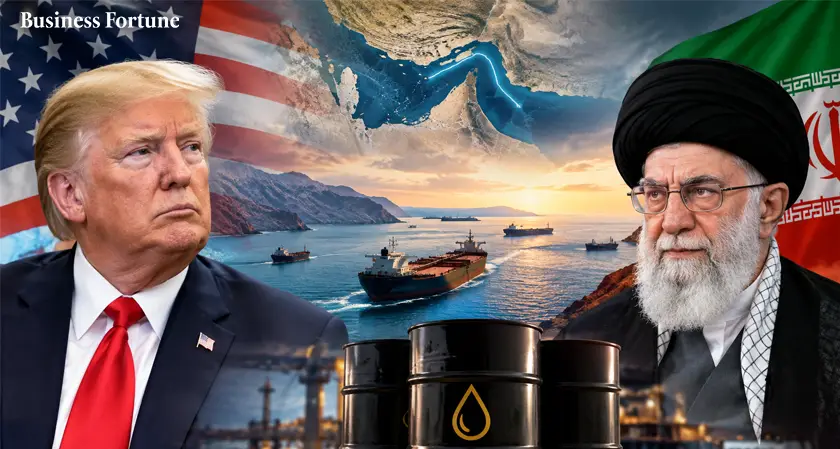
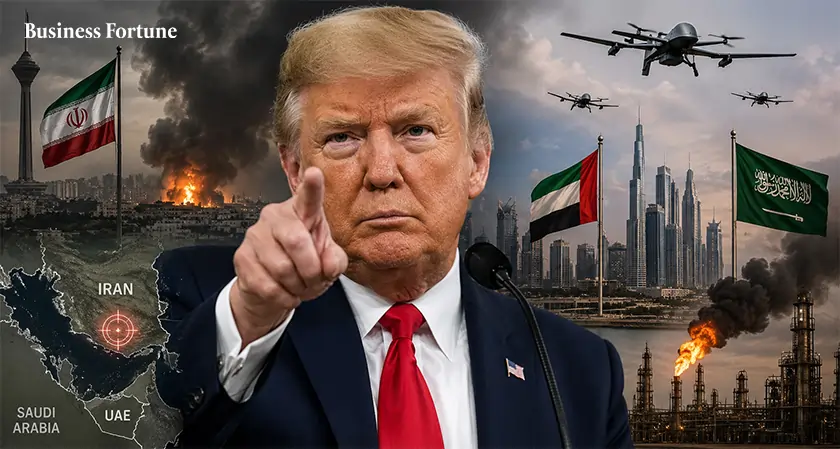
Saudi Arabia and the United Arab Emirates reported new drone attacks connected to the ongoing regional conflict as former US President Donald Trump threatens Tehran by warning that “the clock is ticking” for Iran to reach a peace deal with Washington, further escalating tensions in the Middle East on Monday.
The warning was issued while US-Iranian diplomatic talks seemed to be at a standstill due to Tehran's nuclear program and military operations around the Gulf. Trump hinted that military action was still a possibility in the face of growing instability when he said that Iran would face severe consequences if it did not move swiftly toward a diplomatic settlement.
A drone strike close to the UAE's Barakah nuclear power station in the Al Dhafra neighborhood of Abu Dhabi became the central point of the latest escalation as the UAE reports drone attacks targeting critical infrastructure. According to Emirati authorities, a drone struck an electrical generator outside the facility's inner fence, triggering a fire. Representatives confirmed that no radiation leaks or injuries were reported and that all safety systems remained fully operational.
The UAE calculated the event as an unprovoked terrorist attack and speculated that it might have been carried out by Iran or joined proxy organizations. Also, the International Atomic Energy Agency asked everyone to use caution and expressed concerns about military action close to nuclear installations.
In separate claims, Saudi Arabia claimed to have intercepted three drones that had entered its airspace from Iraq's direction. The incidents heightened concerns that the larger Gulf region would once more turn into a direct battleground in the Iran conflict, even though Saudi officials did not identify the source of the drones.
World energy markets and shipping lanes have already been disrupted by the fighting, especially in the vicinity of the Strait of Hormuz, a crucial channel for the world's oil supply. Worries of new attacks on energy infrastructure and more financial consequences in world markets have been raised by ongoing tensions.
Negotiations to put an end to hostilities are still at a standstill. Iran continues to reject a number of Washington's demands, while the US has claimed to have called for greater constraints on Iran's nuclear enrichment efforts and more assurances of regional security.
Analysts caution that even isolated incidents involving Gulf states could lead to a wider conflict involving the US, Iran, Israel and allied regional powers as military threats and regional attacks continue to escalate.
Thus, Business Fortune is of the view that rising Gulf tensions may further destabilize global security, diplomacy, energy markets, and trade.


.webp)