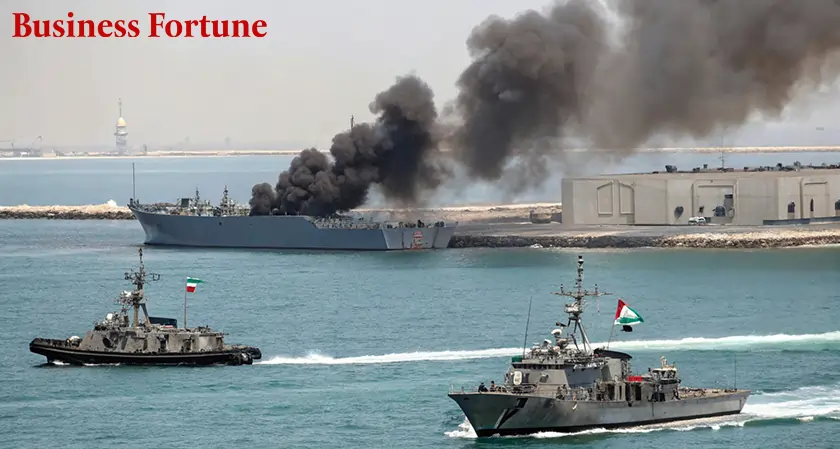
US forces destroyed 16 Iranian mine-laying vessels in the Strait of Hormuz s tensions increase, raising fears over global oil supply and growing Middle East conflict.
The United States announced on Wednesday that it had destroyed over a dozen Iranian mine-laying vessels on Tuesday, as the Islamic Republic of Iran promised to stop the region's oil exports, stating that it would not permit "even a single liter" to be sent to its enemies.
About 20% of the world's oil goes through the Strait of Hormuz, a key shipping route, and the US military claimed to have destroyed 16 minelayers in the area. Following this, US forces targeted and destroyed several Iranian naval vessels, according to a post on X from the US Central Command.
Both sides toughened their rhetoric as the war approached its 11th day. US Defense Secretary Pete Hegseth warned that the conflict's most intense strikes were yet to come and the Pentagon also provided information on the wider number of US troop injuries. With Iranian authorities rejecting negotiations, threatening Trump, and initiating fresh strikes against Israel and Gulf Arab states, the conflict's effects extended throughout the Middle East and beyond.
US President Donald Trump warned Tehran not to use naval mines in the key commerce route. He added that Iran would face military consequences "never seen before" if it had placed any mines in the Hormuz Strait and there were no reports of their doing so. "We want them removed, IMMEDIATELY!" he wrote.
Strait of Hormuz is situated between Iran and Oman, making it one of the most significant energy chokepoints in the world. The Islamic Revolutionary Guard Corps (IRGC), which shares control of the waterway with Iran's navy, has issued a warning that ships passing through the channel may be targeted. Officials have characterized the strait as an increasingly dangerous commercial marine transit area since the war intensified.
As investors anticipated clues about when the battle with Iran may finish, the US stock market held steady on Tuesday. In the meantime, oil prices remained significantly below Monday's highs. The earlier increase had shaken global financial markets amid fears that the battle could restrict the delivery of oil and natural gas for an extended period.


.webp)