Rising oil prices and ongoing Middle East conflict are shaking global markets, increasing inflation risks and tightening financial conditions worldwide.
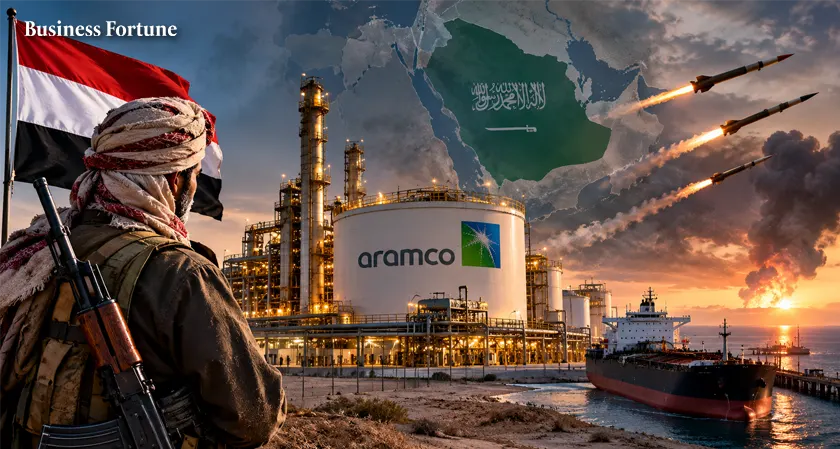
Financial markets have entered the second quarter of 2026 under pressure, with the ongoing Middle East conflict controlling investor sentiment. Concerns over potential damage to energy infrastructure and prolonged high oil prices are raising alarms about slowing economic growth and rising global inflation.
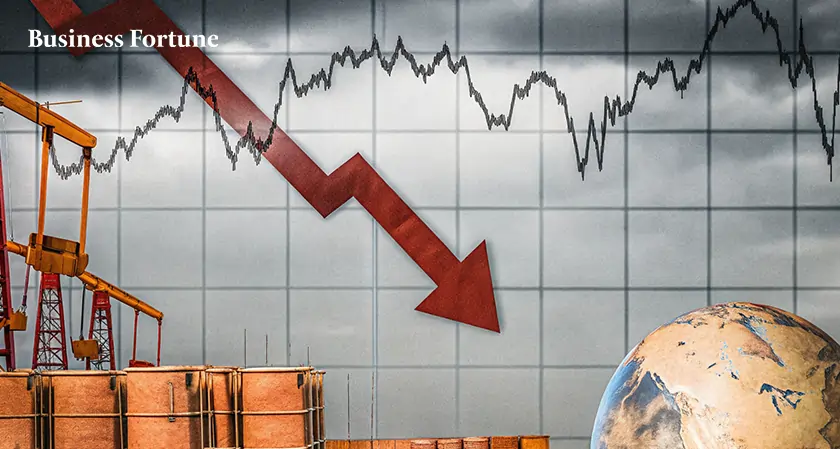
Oil has emerged as the best-performing sector this quarter, with prices rising nearly 90% to more than $100 per barrel. Brent crude has crossed this benchmark for the first time since mid-2022. Analysts predict prices will range between $100 and $190, with an average projection of $134.62 as supply problems continue.
Earlier in 2026, market concerns were largely focused on artificial intelligence investments and their long-term impact on businesses. However, attention has now shifted almost entirely to the geopolitical landscape, particularly the duration of the Iran conflict and its economic consequences. Major indices like the S&P 500 have experienced sharp intraday changes reflecting heightened uncertainty.
Global financial markets have already reacted. Stock prices have declined and overall market unpredictability has increased. Although the sell-off remains relatively contained compared to previous global crises, financial conditions have tightened worldwide. The impact varies across regions. In Europe and emerging markets, rising yields and wider credit spreads are increasing debt burdens and complicating refinancing. Low-income economies in regions such as sub-Saharan Africa and South Asia face even greater risks due to limited reserves and higher import costs for fuel, food, and fertilizers.
Meanwhile, advanced economies and commodity exporters like Saudi Arabia, the UAE, Brazil, and Ecuador are better positioned to manage the stress due to stronger financial barriers. In this uncertain environment, Business Fortune believes that resilience, strategic patience, and a long-term perspective will be critical for investors and economies to withstand the evolving geopolitical and financial landscape.


.webp)