Australia’s national science agency backs synthetic and bio-based fuels to cut emissions and increase fuel security in aviation, mining, shipping.
The Commonwealth Scientific and Industrial Research Organization (CSIRO), Australia's national scientific agency, has highlighted the increasing significance of low carbon liquid fuels in quickening the worldwide clean energy transition, especially in industries where electrification is still challenging.
Liquid fuels currently make up over half of Australia's ultimate energy use and generate over 30% of the country's emissions, according to a recent CSIRO statement. However only around 20 percent of demand is met by native production, making the nation largely reliant on imported petroleum products. Alternative fuel technologies that can lower emissions and improve energy security are gaining momentum again as a result of these difficulties.
Low carbon liquid fuels, CSIRO researchers stated that may be essential to decarbonizing sectors like mining, heavy transportation, aviation and maritime shipping. These industries frequently function in environments where the large scale deployment of electric power is challenging and require fuels with high energy densities. Cleaner liquid fuels are therefore becoming a viable solution to cut emissions in these difficult to abate places.
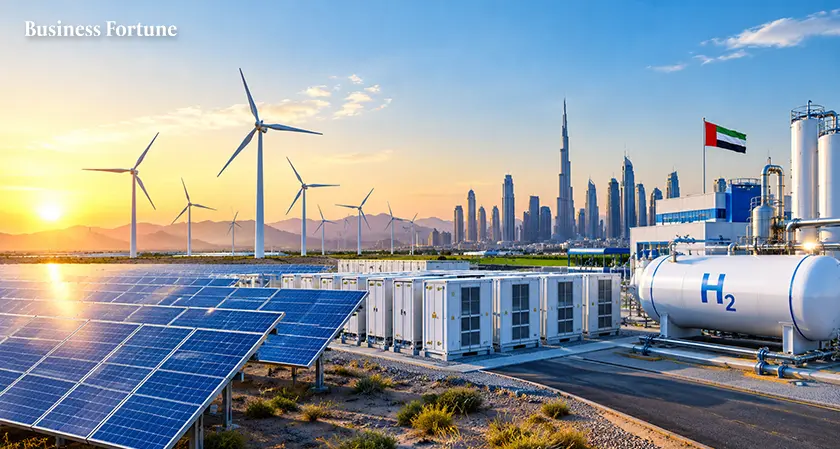
CSIRO has identified two main routes of production for these fuels. The first is power to liquid technology which combines collected carbon dioxide with hydrogen generated from renewable energy sources to manufacture synthetic fuels. Fuels like jet fuel, diesel, or methanol can be produced by this technique. Biogenic fuels, which transform biomass and waste products into liquid fuels that can take the place of traditional fossil fuels, are the second route.
Australia's abundance of renewable energy resources and biomass feedstock, according to CSIRO, puts the country in a good position to build a competitive clean fuels industry, even though the technologies still face obstacles, including high costs and scaling restrictions. Low carbon liquid fuels have the potential to significantly contribute to the development of a strong, low emission energy system in the future if they are implemented correctly.


.webp)