Best Companies of the year 2026
Business Fortune
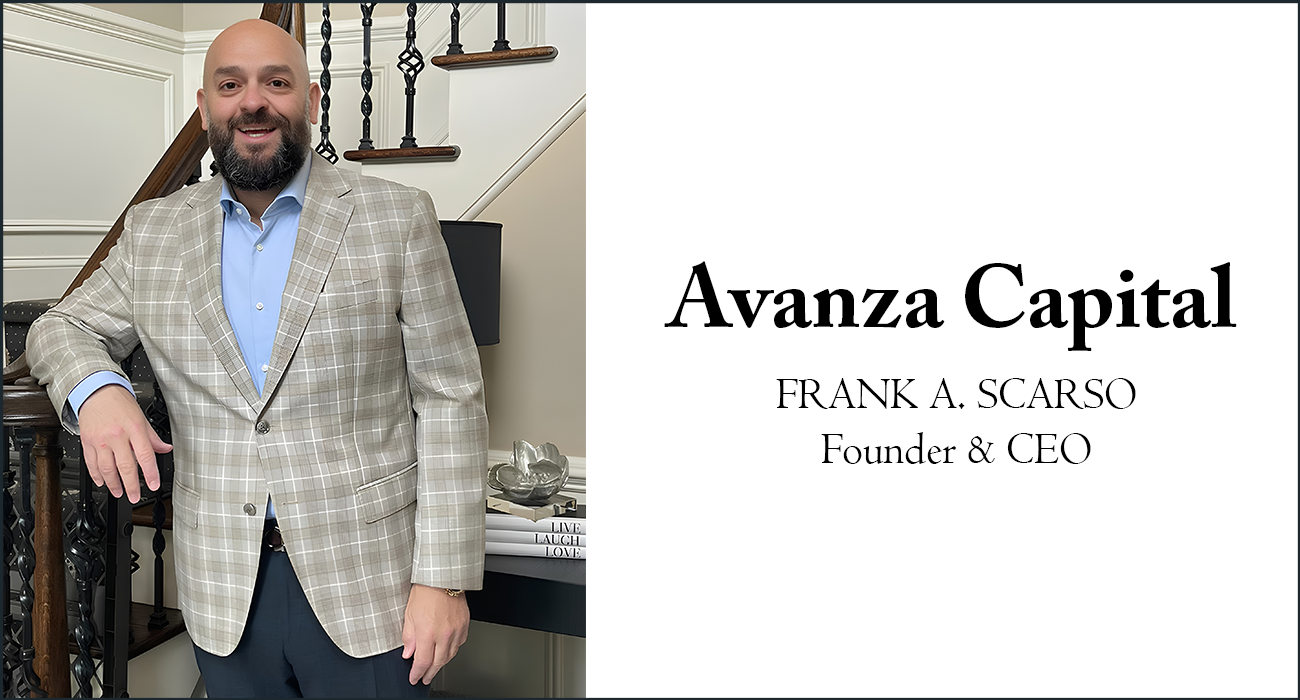
Access to timely, affordable finance is a recurring difficulty that small and medium-sized firms (SMEs) face in today’s quickly changing financial sector. Due to their strict credit standards and drawn-out approval procedures, traditional banks are finding it more and more difficult to satisfy the pressing liquidity demands of business owners and merchants, who are the backbone of local economies. Simultaneously, skilled lenders seeking dependable yield without excessive risk have found conventional investment vehicles less enticing due to market volatility and rising interest rates.
A new generation of alternative private lending platforms – businesses designed to close the gap between capital providers and underprivileged businesses – steps into this void. Avanza Capital Holdings has distinguished itself among them by combining creative financing solutions with methodical risk management. The New York-based company has funded over $150 million in short-term business financing over the course of eight years, offering authorized partners consistent liquidity and attractive annualized rates at a moderate risk.
Avanza was founded with the goal of empowering small businesses in 48 states by balancing yield and safety. The company's approach is based on structured lending that is backed by promissory notes and bought receivables. The organization appeals to capital allocators who seek steady income and performance transparency since it provides an alternative to traditional fixed-income and stock market exposure with an average 20% annualized return and monthly distributions.
In an exclusive interview with Business Fortune, we speak with Frank Scarso, CEO of Avanza Capital Holdings, about the philosophy and strategy behind the company’s growth, shaped by disciplined risk management and a commitment to both lenders and small businesses.
Interview Highlights
Frank, could you walk us through the early days of Avanza’s founding, how did you transform your vision into a business, and what were the biggest hurdles you faced in those first years?
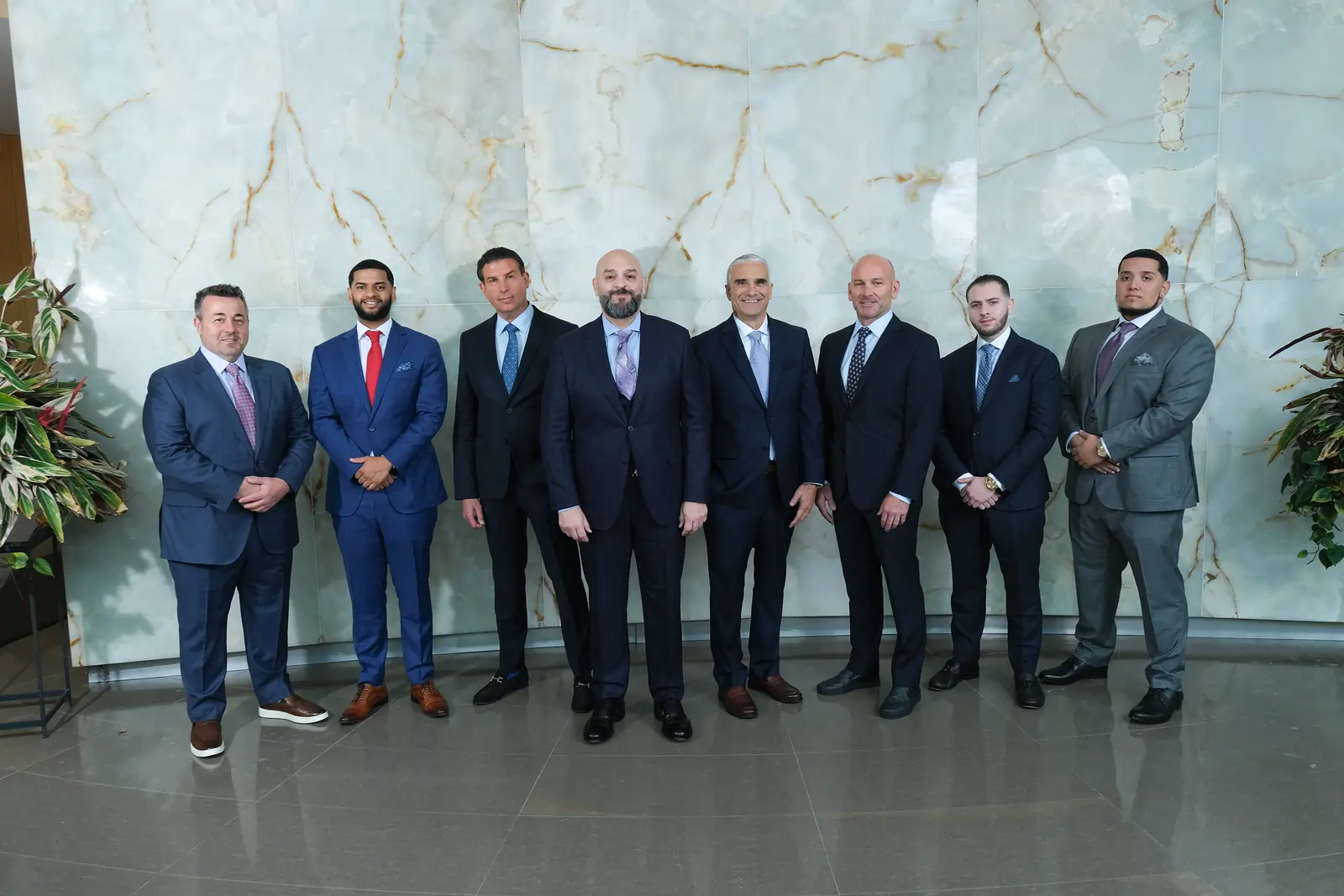
Avanza was born from a very personal motivation. As I looked toward the next phase of my career, I wanted to build something meaningful – something that genuinely helped people. That led me to focus on supporting small merchants, who are often underserved yet form the backbone of local economies. Turning that vision into a business meant creating solutions that could make a real, everyday difference in how these businesses operate and grow.
In the early years, the biggest challenge was overcoming the stigma often associated with this industry. There was a clear need to shift perceptions and build trust. We addressed this by taking a more personalized, relationship-driven approach, emphasizing transparency and strong customer service. Over time, that focus helped differentiate Avanza and laid the foundation for a business built on long-term partnerships rather than just transactions.
Avanza describes its mission as balancing yield with safety. How did you arrive at this philosophy? To what extent was it shaped by your own risk experiences in traditional finance?
It began very close to home. Avanza initially grew out of working with family and friends, which naturally changed my perspective on risk. My priority was to ensure that the people I cared about could invest without anxiety or sleepless nights. That mindset was very different from my earlier experiences in retail trading and traditional investing, where higher risk was often accepted as part of the process. Those contrasts helped shape Avanza’s philosophy of delivering attractive yields while placing a strong emphasis on capital protection and peace of mind.
Avanza’s core model involves lending through a pool of short-term business loans secured by purchased receivables and promissory notes. Could you explain in simple terms how this model works, and why it is attractive to both lenders and small businesses?
In simple terms, Avanza purchases receivables from small businesses at a discount and pays them upfront, providing immediate liquidity. Over time, we collect the full value of those receivables. These purchased receivables are pooled together and serve as the underlying security for lender funds, backing the promissory notes we issue. This structure benefits small businesses by giving them fast access to capital, while lenders gain exposure to a diversified, asset-backed portfolio that offers predictable returns with an added layer of security.
Your website mentions 20% average annualized yield and 12-month loan terms. How do you manage to deliver such relatively high returns while keeping risk moderate and liquidity reasonable?
We focus heavily on risk mitigation. Every merchant we fund goes through a rigorous underwriting process, and that discipline is the foundation of our model. Over the years, we’ve learned what works and what doesn’t through real-world experience, and we continuously refine our criteria and processes as market conditions evolve. This ongoing adjustment allows us to pursue attractive returns while maintaining a balanced approach to risk and liquidity.
I was struck by your ‘octopus’ metaphor – controlling eight risk levers at once. Could you unpack each of those levers for us, and tell us which ones you find most challenging to manage in today’s economic environment?
The idea behind the metaphor is that risk cannot be managed from a single angle. I approach each layer of risk with a different perspective, because every level presents its own unique challenges. Rather than trying to solve everything in one stroke, we use a divide-and-conquer approach – addressing each risk independently while keeping the broader picture in mind. This method has proven effective for us, as our results show. In today’s environment, the ability to make timely adjustments and pivot when conditions change is especially critical, and that flexibility remains one of the most important aspects of how we manage risk.
Earlier this year, you launched a mobile app for lending partners and an admin app, integrated with real-time analytics. What key problems were you solving for your investors, and how has technology changed the way Avanza operates?
The primary goal was to increase transparency and comfort for our lenders. By introducing technology and real-time analytics, we wanted to give investors clear visibility into how their capital is performing and how Avanza is managing it on their behalf. At the same time, we recognize that technology is constantly evolving, and our operational needs continue to grow with it. That’s why we are working toward building an entirely new platform and CRM system designed to bring lenders and employees onto a single, seamless ecosystem. This focus on technology is helping us operate more efficiently today, with more significant upgrades planned – something our partners can look forward to in 2026.
One of Avanza’s stated goals is to empower small businesses across the U.S. In your view, what are the biggest pain points for SMEs in accessing capital, and how does Avanza uniquely address them?
The biggest challenge for small businesses is often getting approved for funding in the first place. Traditional banks tend to favor larger, corporate borrowers and are generally less willing to lend to small enterprises. This leaves one of the most vital segments of the economy underserved and, in many cases, without access to timely capital. Avanza operates within the alternative lending space to help close this gap, providing small businesses with access to funding when traditional options fall short and supporting their ability to grow and operate effectively.
With eight years of operations and over $150M funded, what does Avanza’s next five-year growth roadmap look like – and does it include expanding your product lines, entering new markets, or introducing new financial products such as longer-term loans, equity options, or securitized structures?
Our focus remains firmly on the MCA side of alternative lending, and we do not plan to expand into other funding verticals. From a growth perspective, we are targeting a more sustainable trajectory of around 50% year-over-year growth. While the company achieved close to 100% year-over-year growth recently, we recognize that maintaining that pace consistently is challenging, so we are taking a more conservative and disciplined approach going forward. Geographically, we are looking to expand into business-friendly states such as Tennessee, South Carolina, and Texas as part of our next phase of growth.


.webp)