Reading Time: 6 Minutes
Discover how IT Asset Management Software helps global enterprises track technology, control IT costs and choose the right platform for 2027.
Choosing IT Asset Management Software is not easy for a global business with numerous laptops, servers, phones, software licenses and cloud services. The items might be distributed between different nations and even countries and used by either office staff or people working remotely. The process of monitoring every item is complex because of using independent spreadsheets and procurement data. Failure to follow the update will lead to double spending, unused subscriptions, or equipment which is not found anywhere. Companies should know what items they have, who uses it, how much it costs and when it is necessary to replace it.
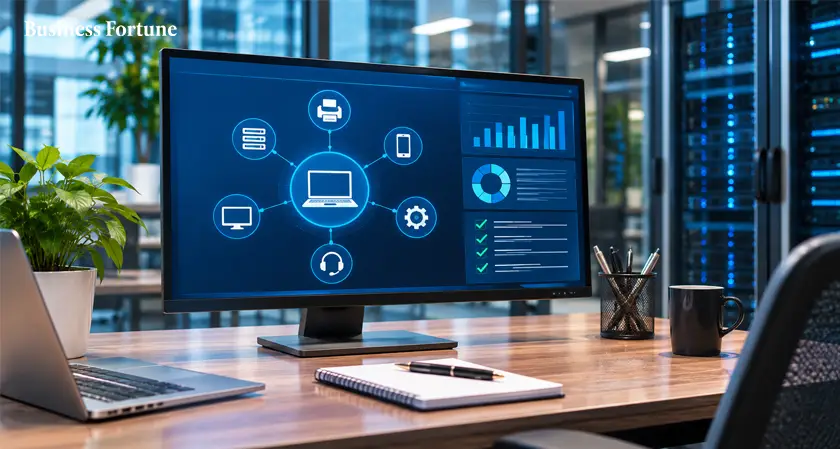
IT Asset Management Software provides organizations with a centralized means of tracking and managing these assets. This starts right from when the assets are bought and put into use to their eventual maintenance and disposal. Hardware information, software licenses, contracts and cloud usage can all be managed under this single umbrella.
This control will remain important in 2027 as businesses adopt cloud computing, hybrid work and digital offerings. Every shift increases both resources and expenses that have to be managed. In this Business Fortune article, we discuss six solutions for large enterprises and what to keep in mind when selecting one.
What Is IT Asset Management Software?
IT Asset Management Software is an application used by organisations to help track and manage the IT assets possessed and/or used within the organization. IT assets include computers, servers, mobile phones, business software, software licenses and cloud computing services. Such information includes information on the physical location, the designated user, the purchase date, the cost of the asset and its lifecycle stage. It provides visibility of the asset status to the relevant teams, even though accuracy is dependent on good information and frequent updates.
Why Is IT Asset Management Important?
When a business cannot tell what it has in terms of technology, then it will become costly. Information on assets is important since it will help people to avoid duplication of purchases, subscriptions that are not used and missed renewals. Such an inventory will also assist in the maintenance of the devices, security audits and licensing of software. When an organization operates in different locations, the exchange of information becomes useful.
What Types of IT Assets Can a Company Track?
The major categories consist of hardware, software and cloud resources. Hardware consists of laptops, smartphones, servers, printers and network hardware. Software consists of operating systems, business software and licensed software. Cloud resources comprise computing power, storage and software hosted on the cloud. Additional information is also recorded about some of these systems in regards to ownership, configuration, warranty, purchase order and utilization history. This information helps a company see its total IT resource landscape instead of just each individual resource.
How Does IT Asset Management Software Work?
The platform collects information about the asset by way of network discovery, device agent, purchase orders and updates provided by employees. It provides an inventory database where you could perform searching and management. Every time the asset is purchased, assigned, relocated, fixed, or decommissioned, its information needs to be changed. There may be integration with help desks, financial applications and procurement platforms. The reports will provide information about license usage, pending renewal and replacement dates. Automated process decreases the amount of manual tasks but employees will need to review the data.
What Are the Main Benefits of IT Asset Management Software?
A well-maintained system can minimize waste through the identification of devices and licenses that are not being used to their full capacity. Such a system will also make auditing simple since it will be able to track all purchase and licensing data. IT staff can access information regarding assets while addressing support issues and the financial and procurement departments can use the same information for budgeting purposes. This can allow companies to effectively repair, reuse, or replace their assets.
Best IT Asset Management Software Platforms for Global Enterprises in 2027
The appropriate choice will depend on the size of the organisation as well as other systems and issues that they have. There are systems that concentrate on discovery, but there are some which link the asset management data with the service management, licensing, or cloud expenses.
1. ServiceNow IT Asset Management
IT Asset Management in ServiceNow is integrated into other processes in IT such as hardware, software and cloud assets. It manages the entire life cycle of an asset, from planning, procurement, through maintenance to disposal. It can also integrate with CMDB, service process and procurement processes, enabling a better understanding of technology in supporting employee services.
This methodology is one that could work well for organizations looking to have their IT, finance and procurement functions use information from the same source. Organizations already utilizing ServiceNow may find the integration valuable.
2. Flexera One IT Asset Management
The Flexera One tool is a viable solution to consider for organizations that struggle with issues related to software licensing and IT expenditures. Big companies deal with multiple software companies, but the licenses they have do not always correspond to what their employees use.
This tool also links software asset management with visibility into costs in the cloud and for SaaS applications. It could aid in assessing subscriptions and expenditures. Large enterprises with complicated arrangements with suppliers should ensure that all supported products, license types and preparatory work are considered.
3. Ivanti Neurons for ITAM
Ivanti Neurons for ITAM provides a solution to asset discovery and management for organisations with dynamic work environments. This is achieved by combining inventory data with the lifecycle process and it enables IT to understand the devices and software in use.
It is important when dealing with companies that have employees working from office premises, remotely and both at once. Ivanti also integrates asset management with other IT service and endpoint management capabilities. Enterprises need to know if Ivanti discovers their assets and services.
4. ManageEngine AssetExplorer
ManageEngine AssetExplorer offers solutions for discovering and managing hardware and software. It enables IT departments to keep track of inventory, monitor the movements of assets and manage purchases, contracts and licences. The discovery process might lower the need for manual input and the reports will assist in auditing your records.
The system provides support for lifecycle processes from acquisition and deployment through maintenance and disposal. Large companies need to assess how well the system is able to cope with multilocation capability, integration, reporting requirements and number of assets.
5. Lansweeper Platform
Lansweeper has its specialty in Technology Discovery and Inventory Visibility. In this way, the tool helps organizations discover and organize the devices and any other technology that is attached to the organization’s environment by creating an inventory for them.
The discovery tools will enable the IT team to go through the hardware details of the devices and find out which devices have been left out in manual inventory. Companies must take into account the suitability of the product in terms of procurement, contracts and life cycle management.
6. BMC Helix IT Asset Management
BMC Helix provides an alternative for companies requiring asset data integrated with their IT service operations. The broader environment associated with BMC Helix encompasses service management as well as configuration management functionalities which assist in understanding the underlying technology behind the business services. Information regarding the association between assets and the service proves useful while analyzing incidents.
For organisations with complicated infrastructure, this link may prove to be beneficial. Customers should make sure that they understand what BMC Helix solutions fit their needs before looking into integration, deployment and licensing aspects.
Which Features Should Enterprises Check Before Buying?
An extensive feature list does not necessarily mean that it fits your needs. Businesses must focus on automation, lifecycle management and software license management. The system must integrate with service desk, procurement and finance systems in order to avoid duplication.
Security is also a factor. Role-based access control, audits and identification of unknown or unsupported hardware is also important. Reports need to make it easy to see costs, ownership, renewals and hardware status. For companies that have operations worldwide, regional support needs to be considered.
How Should a Global Enterprise Choose the Right Platform?
Begin with a list of the resources and processes which are to be addressed. For example, an organization with unknown devices may emphasize the importance of discovering those devices, while another with expensive software may stress licensing. Draw up a map of the existing system and the required integrations. Engage IT, finance, procurement, security and the users of the system.
Ask vendors to show how routine functions like allocating a laptop or verifying a license work. Compare set-up, training, maintenance and cost. A trial period will help you see if the software integrates with your current data. The right management software is that which users can operate and that managers trust.
What IT Asset Management Trends Could Shape 2027?
Automation can take care of repetitive tasks, for example, gathering information from devices, noting down missing entries and reminding teams of renewal. Artificial Intelligence can help users in looking up information from records and finding patterns in usage, but their suggestions will only be as good as the data they get.
Cloud and SaaS Management will be important as companies leverage multiple vendors. Organizations will require knowledge on subscriptions, usage and contractual obligations and not just count their devices. The security team will need the latest details about endpoints and software version numbers. The lifecycle history could also aid organizations in recycling their devices.
Effective management of technology in 2027 requires understanding the type of technology used, the costs incurred and its contribution to services in a business. Examples of vendors providing various solutions include ServiceNow, Flexera, Ivanti, ManageEngine, Lansweeper and BMC, among others; therefore, companies need to consider the suitability of the solutions in relation to their requirements rather than opting for particular brands. Business Fortune is of the opinion that accurate documentation, appropriate automation and good ownership will form the core of efficient IT asset management.
FAQs
What is the best IT Asset Management Software for large enterprises in 2027?
ServiceNow, Flexera One, Ivanti Neurons, ManageEngine AssetExplorer, Lansweeper and BMC Helix are popular options. The right choice depends on asset volume, licensing needs, integrations and business requirements.
Can IT Asset Management Software track hardware and software licenses together?
Yes. Most ITAM platforms can track hardware, software licenses, subscriptions and cloud resources, helping businesses manage their technology inventory from a centralized system.
How does IT Asset Management Software help reduce business costs?
It identifies unused devices, unnecessary software subscriptions, duplicate purchases and upcoming renewals, helping enterprises control IT spending and make better purchasing decisions.
What features should global enterprises look for in IT Asset Management Software?
Key features include automated asset discovery, lifecycle tracking, software license management, cloud visibility, security controls, reporting and integration with finance and procurement systems.
How does IT Asset Management Software support cybersecurity?
It helps security teams identify unknown devices, track software versions and monitor asset status. This visibility makes it easier to identify outdated or unsupported technology that may create security risks.











.webp)



.webp)
Comments