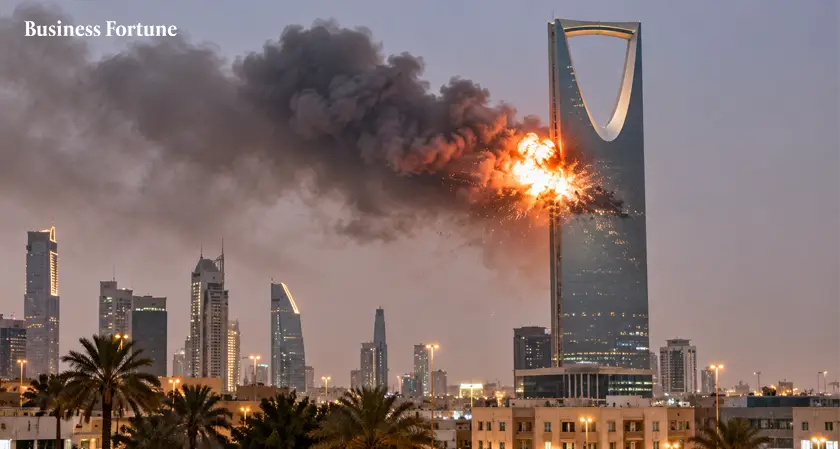
A missile just hit an Aramco building in the middle of Riyadh, and Saudi Arabia says it’s only minor damage. Here’s what we know on Aramco Tower Attack and what the Houthis are saying.
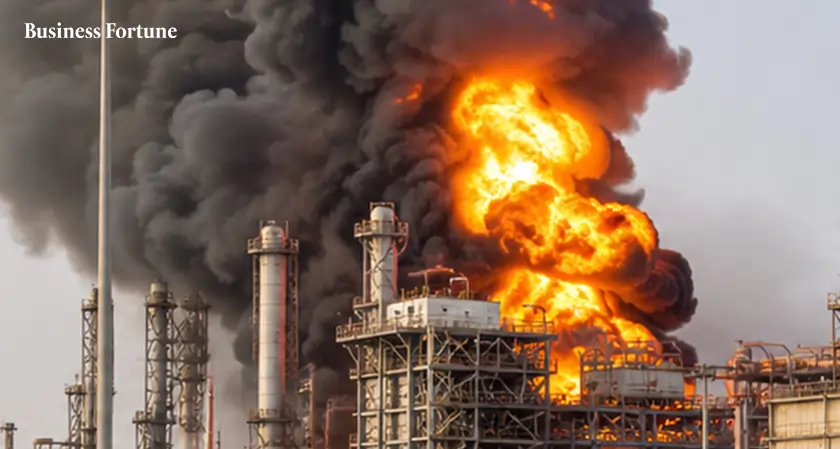
The Aramco Tower attack has left Riyadh shaken. On Sunday, a missile or drone strike damaged a building belonging to Saudi oil giant Aramco in the King Abdullah Financial District, the capital’s busiest business zone. The attack was claimed by Houthis from Yemen who are backed by Iran.
Minor Damage, or Something Bigger?
State media in Saudi Arabia, referring to the Energy Ministry, said the missile had resulted in some damage to an administrative building. No casualties or fatalities have been reported. However, footage verified by CNN and BBC Verify reveals broken windows on multiple floors, and at least one floor seems to have been severely affected.
The Saudi-led coalition claims that their air defense systems have managed to shoot down several missiles. According to spokesperson Turki al-Maliki, two of the missiles were headed toward Riyadh, while another was targeted at the eastern province. Two other missiles have been shot down in the south, alongside an attack drone.
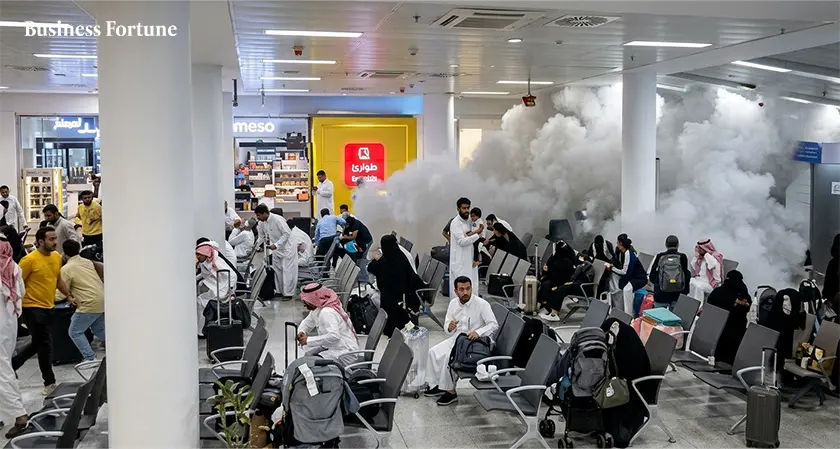
The Houthis claim that in addition to the missile attacks, they also struck Aramco oil storage facilities, King Khalid International Airport, and an installation in Abqaiq.
What Triggered Sunday’s Strikes?
A day earlier, the Houthi-run health ministry said Saudi air strikes killed 33 people, including eight women and 13 children, in al-Shariyah village near Sanaa. Saudi Arabia has not commented, and Al Jazeera could not verify the report.
Senior Houthi official Mahdi al-Mashat reacted sharply. “We will punish the Saudi regime for its crimes against the Yemeni people,” he said. The group says it will keep firing as long as the kingdom bombs areas it controls and enforces a blockade.
A War That Keeps Growing
An informal ceasefire fell apart in July, after the Houthis announced a maritime embargo on Saudi Arabia. Since then, the UN says more than 1,600 people have died and over 300,000 have been displaced.
The Houthis have also hit airports and oil sites across the kingdom. A strike on Riyadh’s airport on October 10 killed 13 people. Last month, Yemeni government forces launched an operation to retake Houthi-held land, including Sanaa. On Friday, a market attack in Taiz killed 30 people, and each side blamed the other.
Can Saudi Arabia’s Defences Hold?
Saudi Arabia spent $83 billion on defense last year, according to the Stockholm International Peace Research Institute. It owns US Patriot and THAAD systems, plus weapons from France and the UK. Yet a strike still reached the center of its capital.
As Business Fortune observes, both sides say they will not stop. If so, expect more attacks on energy sites and airports, tighter security in Gulf cities and rising pressure for new peace talks. Oil markets will be watching closely.
FAQs
Who are the Houthis?
They are an Iran-aligned armed group from Yemen. They control large parts of the country, including the capital, Sanaa.
Why is Aramco a target?
Aramco is Saudi Arabia’s biggest oil company. Hitting it sends a political message and threatens the kingdom’s main income.
Why do the damage reports differ?
Saudi officials called the damage minor. Independent verified footage shows broken windows on multiple floors and at least one badly hit level.
When did the latest round of fighting begin?
A fragile ceasefire collapsed in July, after the Houthis announced a maritime embargo on Saudi Arabia.
How many people have been affected?
The UN says over 1,600 people have been killed and more than 300,000 displaced since July.
Sources: https://www.aljazeera.com/news/2026/11/8/saudi-arabia-intercepts-houthi-missiles-targeting-riyadh-eastern-province https://edition.cnn.com/2026/11/08/middleeast/saudi-arabia-riyadh-missile-financial-intl https://www.bbc.com/news/articles/c6ly3mjx958eo





















































































































































.webp)




Comments