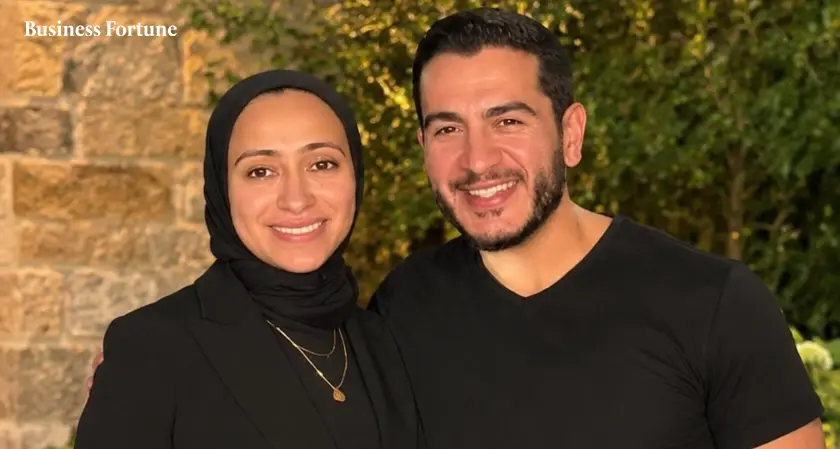
A podcast clip reveals El-Sayed’s humorous response to his Egyptian uncle, while details of Sarah Jukaku’s Karnataka ancestry and family history emerge.
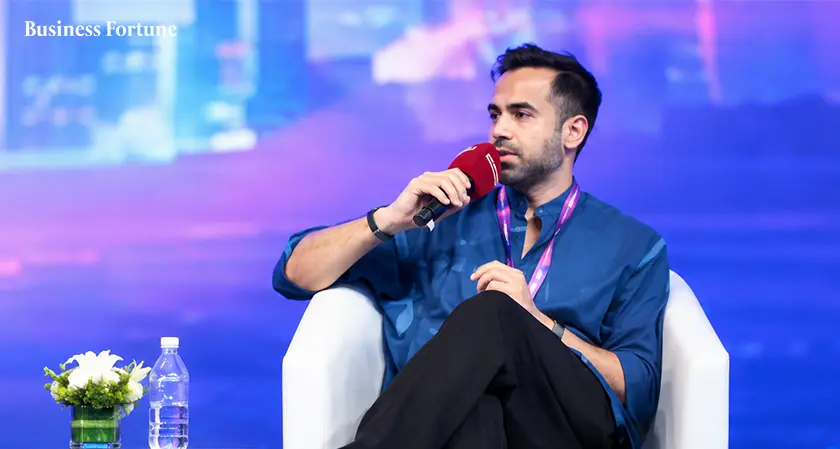
Abdul El-Sayed’s historic US Senate win has spotlighted his Indian family connection and marriage to Dr Sarah Jukaku. In a podcast clip circulating online, the Michigan Democrat recalls an Egyptian uncle’s surprise that he married an Indian woman, then answers with a playful statistical quip. It also raises the question of habibi meaning.
An Uncle’s Memorable Reaction
According to Meet The Real Abdul El-Sayed, a YouTube podcast released in August, El-Sayed narrated how his uncle questioned him about the choice of an Indian woman despite the existence of 80 million Egyptians. El-Sayed responded that the population of India was a billion and the chances could not be overlooked.
The term "habibi" is an Arabic word that translates to "my dear," "my love," or "darling." It is a term of endearment used by family members, loved ones and romantic partners.
Sarah Jukaku’s Karnataka Roots
The origins of Sarah are those of Indian Americans belonging to the coastal town of Bhatkal of the district of Uttara Kannada in the state of Karnataka. Her grandfather, JH Shamsuddin Jukaku, was a lawyer and politician who was also the deputy finance minister in the erstwhile government of the Mysore State headed by Chief Minister BD Jatti.
Dr. Jukaku S Tayeb, Sarah’s father, pursued his studies in medicine in Bengaluru before coming to the United States. As a nephrologist, he practiced medicine in Michigan. Sarah was brought up in the US, but she stayed in touch with Bhatkal and Bengaluru.
A Marriage Shaped by Two Cultures
El-Sayed and Sarah got to know each other at the University of Michigan, where both of them were members of the Muslim Students’ Association. They tied the knot in May 2006 and they have two daughters, Emmalee and Serene. Sarah later attended Oxford, before getting a medical degree from Columbia University in 2015.
El-Sayed has even made fun of the way in which marriage has made him familiar with South Asian culture. “I think I’m more Indian than Arab,” El-Sayed once remarked in an interview, noting that he had spent almost two decades in a South Indian household. Sarah has openly mocked him as well, jokingly telling an audience at a campaign stop that no one tells El-Sayed what to do other than herself.
The election itself highlighted much more than just politics. There is now fresh interest in the history of the family of Sarah and the connection of Karnataka to the life of the senator.
Thus, Business Fortune believes that Abdul El-Sayed’s story reflects how cross-cultural marriages can bridge traditions, celebrate diversity, and connect generations.
Sources: FoX2, INDIA TODAY
FAQs
What does habibi mean in Arabic?
Habibi is an Arabic term of endearment that means my dear, my love, or darling. It is commonly used among family members, friends, and romantic partners.
Who is Abdul El-Sayed’s wife?
Abdul El-Sayed is married to Dr. Sarah Jukaku, an Indian-American physician with family roots in Bhatkal, Karnataka.
What is Sarah Jukaku’s Indian connection?
Sarah Jukaku comes from an Indian-American family originally from Bhatkal in Uttara Kannada district of Karnataka. Her family also has connections to Bengaluru.
How did Abdul El-Sayed meet Sarah Jukaku?
The couple met at the University of Michigan, where both were members of the Muslim Students’ Association. They married in May 2006.
Why did Abdul El-Sayed’s uncle react to his Indian marriage?
His Egyptian uncle reportedly questioned why he married an Indian woman when Egypt had millions of women. El-Sayed responded humorously by pointing to India's much larger population.

























































































































































.webp)



Comments