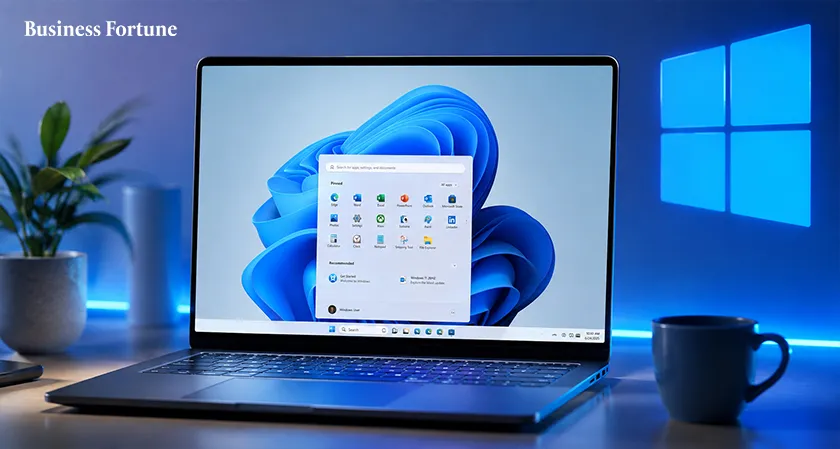
Windows 11 26H2 is shaping up to be a very different kind of Windows update. Rather than forcing users through another huge system overhaul, Microsoft is using its shared servicing approach to make the upgrade faster and less disruptive.
Why 26H2 is different
For years, a Windows feature update could feel like installing an entirely new operating system. That approach often meant lengthy installations and occasionally, compatibility headaches. Windows 11 26H2 takes another route. Microsoft has kept the newer release on the same servicing branch as recent versions, allowing much of the required code to arrive through regular cumulative updates before the new version is officially enabled.
Microsoft explained the idea simply as “new features are enabled when versions share a servicing branch.”
For users already on a compatible branch, that means the final switch to 26H2 should be considerably less dramatic than a traditional feature upgrade.
Recovery gets a major upgrade
One of the more interesting changes isn't a flashy interface redesign. Microsoft is making Point-in-time restore a bigger part of Windows recovery.
The feature can return a PC to an earlier state, including its operating system, applications, settings and local files. Restore points are automatically created, with Microsoft's documentation saying they are normally retained for up to 72 hours.
For managed devices, Windows 11 26H2 will also change the default behavior. Microsoft says point-in-time restore will be enabled by default on eligible enterprise managed systems, provided the Windows OS volume is at least 200GB.
Is 26H2 actually a huge update?
Not exactly. That may be the biggest story.
Microsoft's strategy is increasingly about delivering features through monthly updates and then using the annual release to turn on the relevant functionality and refresh the support lifecycle.
Business Fortune believes, for everyday users that could mean fewer dramatic upgrade moments and less waiting around for a massive installation.
FAQs
What is Windows 11 26H2?
It is Microsoft's upcoming annual Windows 11 update, built around the shared servicing model.
When is Windows 11 26H2 expected?
Microsoft has described it as the next annual update, with availability approaching later in 2026.
Will 26H2 be a huge download?
Users already on the compatible servicing branch should receive a much smaller enablement style upgrade rather than a complete platform replacement.
What is Point-in-time restore?
It lets Windows restore the PC to an earlier state, including apps, settings, OS components and local files.
Should users be excited about 26H2?
Yes, but mainly for its quieter approach. The real benefit is a smoother upgrade and stronger recovery rather than a completely redesigned Windows experience.


.webp)






























Comments