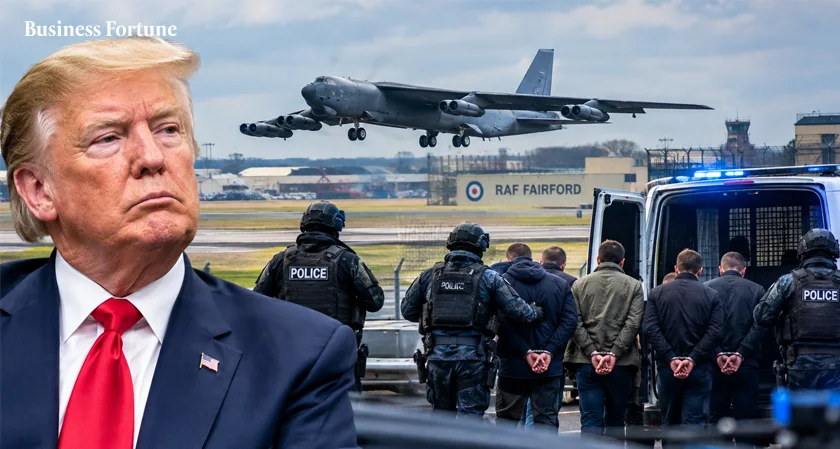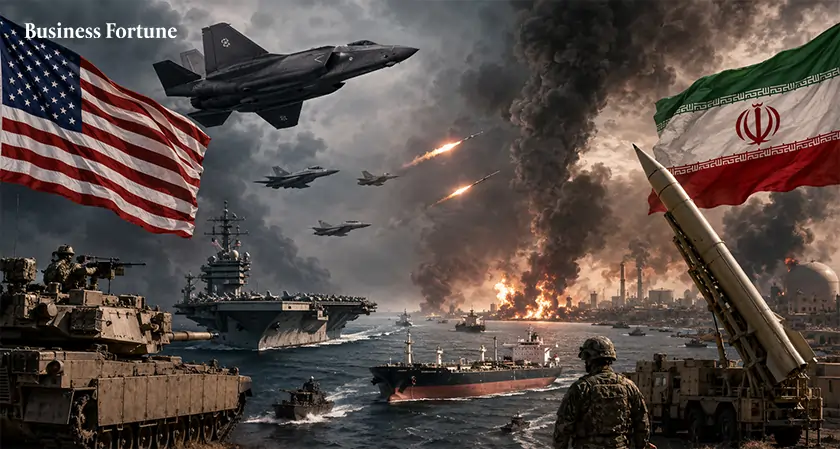
Military exchanges intensify across the region as diplomatic efforts stall, raising global concern over energy routes and wider conflict risks.
The US-Iran war live situation intensified on Wednesday as fresh military exchanges and political warnings added pressure on an already volatile Middle East security landscape. The latest developments in the Strait of Hormuz have raised global concerns over energy routes and regional stability, with officials tracking renewed clashes and retaliatory threats between Washington and Tehran.
According to ongoing reports on US-Iran war updates, both sides continue to accuse each other of escalating aggression while diplomatic channels struggle to hold.
What triggered the latest escalation in the Strait of Hormuz?
Tensions spiked after reported incidents involving maritime and aerial operations near the Strait of Hormuz, a critical global shipping corridor. Earlier confrontations in the region involved attacks on vessels and military positions, with both sides claiming defensive action. In one of the most serious escalations, Iran strikes US assets were reported following earlier U.S. air operations targeting Iranian-linked sites. The cycle of retaliation has further complicated ceasefire discussions and intensified fears of a wider regional conflict.
Is diplomacy still possible amid rising military retaliation?
Diplomatic efforts remain fragile as both Washington and Tehran maintain hardline positions despite intermittent talks. U.S. officials have stated that military responses are aimed at deterrence, while Iranian leaders accuse the United States of expanding the conflict under the pretext of security operations. Global actors, including European and Asian partners, have urged restraint as energy markets react to uncertainty around the Strait of Hormuz. Analysts warn that even limited miscalculations could trigger broader escalation involving multiple regional actors.
The broader geopolitical environment remains unstable, with allied nations closely monitoring military movements and shipping disruptions. Oil markets have responded with volatility as traders assess the risk of prolonged disruption to one of the world’s most important energy chokepoints. Meanwhile, humanitarian concerns continue to grow as civilians in affected regions face increasing insecurity.
Thus, Business Fortune is of the view that sustained diplomacy is essential to prevent further escalation and stabilize regional security.
FAQs
Why is the Strait of Hormuz important?
It is one of the world’s most critical oil shipping routes, handling a large share of global petroleum exports.
What caused the US-Iran escalation?
Recent military incidents, including attacks on vessels and retaliatory strikes, have intensified tensions.
Has a ceasefire been reached?
No confirmed durable ceasefire has been established, though diplomatic efforts continue.
How have global markets reacted?
Energy prices have shown volatility due to fears of supply disruptions.
Are other countries involved?
Several regional and global powers are monitoring the situation and calling for restraint.


.webp)