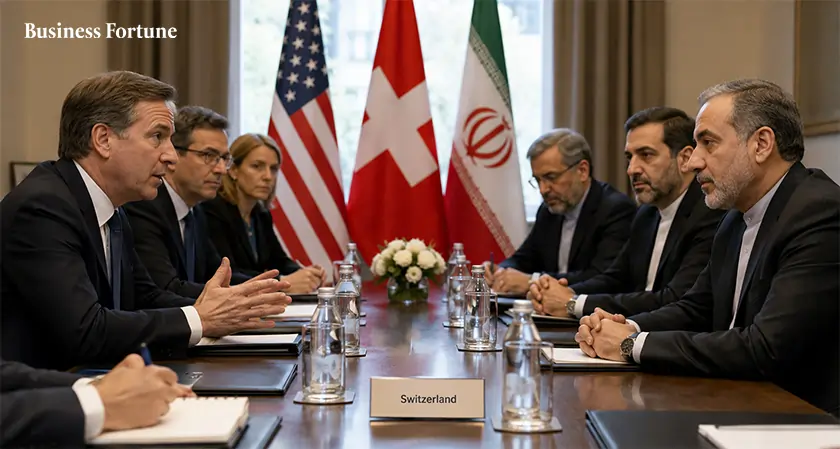
As Israeli strikes jeopardize delicate negotiations and cast doubt on peace efforts and regional stability, the US envoy to Switzerland pursues crucial talks.
The US envoy to Switzerland is proceeding with a planned diplomatic mission despite growing concerns that renewed Israeli military strikes in Lebanon could derail sensitive negotiations aimed at easing tensions across the Middle East. The talks, expected to involve senior American and Iranian officials, come at a critical moment as regional instability threatens to overshadow efforts to advance diplomatic engagement and preserve a fragile ceasefire framework.
Washington has emphasized its commitment to dialogue, viewing the Switzerland meetings as an important opportunity to sustain momentum toward a broader agreement involving regional security, nuclear oversight, and conflict de-escalation. However, the latest violence along the Israel-Lebanon border has raised fresh doubts about whether meaningful progress can be achieved while military operations continue.
How Are Israeli Strikes Affecting Ongoing Diplomatic Efforts?
The renewed Israeli attacks in southern Lebanon have intensified tensions across the region, with reports indicating continued exchanges of fire between Israeli forces and Hezbollah militants. The escalation comes despite international efforts to maintain stability following months of conflict that have displaced thousands of civilians and heightened fears of a wider regional confrontation.
Diplomats and analysts warn that the deteriorating security environment could complicate ongoing negotiations involving the United States and Iran. Confidence-building measures are often essential in high-stakes diplomatic discussions, and renewed military activity risks undermining trust among negotiating parties. Several observers have noted that any perception of instability could make it more difficult to secure commitments on sensitive issues, including nuclear monitoring and regional security guarantees.
The developments have also prompted concerns among international mediators, who have worked to prevent hostilities from expanding beyond the immediate conflict zone. Continued violence may increase political pressure on governments involved in the talks and reduce the likelihood of swift diplomatic breakthroughs.
What Is Expected From the Switzerland Negotiations?
The Switzerland discussions are expected to focus on implementing key provisions of recent diplomatic understandings between Washington and Tehran. Among the primary issues on the agenda are nuclear compliance mechanisms, sanctions-related matters, regional security arrangements, and pathways toward reducing the risk of future military confrontations.
For the United States, the negotiations represent an opportunity to preserve diplomatic channels at a time when geopolitical tensions remain elevated. For Iran, the talks provide a platform to address economic and security concerns while seeking greater international engagement.
Although both sides have indicated a willingness to continue discussions, the success of the negotiations may ultimately depend on developments on the ground. Should violence in Lebanon intensify further, diplomatic progress could face significant delays, potentially complicating broader efforts to stabilize the region.
Thus, Business Fortune is of the view that sustained diplomacy remains crucial as regional tensions threaten progress toward lasting stability.
FAQs
Why is the US envoy traveling to Switzerland?
The envoy is participating in diplomatic discussions focused on regional security, nuclear issues, and broader Middle East stability.
What impact do Israeli strikes have on the talks?
The strikes increase regional tensions and may undermine trust needed for productive negotiations.
Who is involved in the Switzerland discussions?
Senior US and Iranian officials are expected to participate, alongside diplomatic representatives and mediators.
What are the key topics being discussed?
Nuclear oversight, sanctions, regional security arrangements, and measures to reduce future conflict.
Could the talks still produce an agreement?
Yes, but continued violence in Lebanon could slow progress and make diplomatic compromises more difficult to achieve.


.webp)