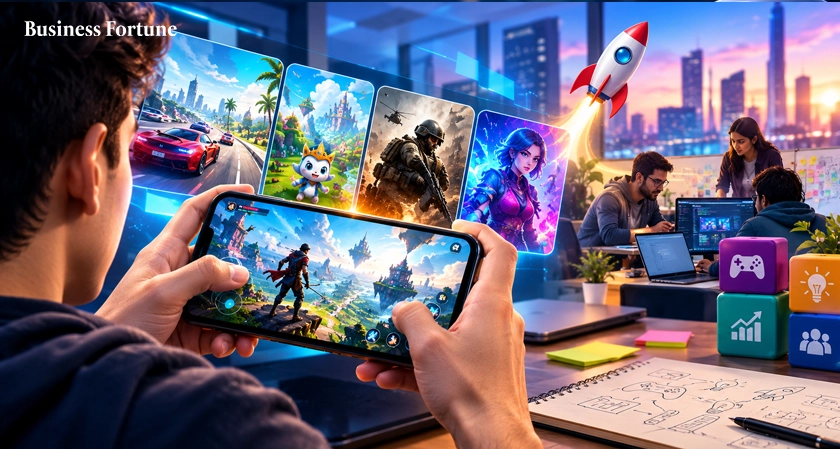
Game studios use real-time engines, AI tools, and cinematic VFX to create immersive trailers that boost engagement and anticipation levels.
The gaming industry is going through a crucial change as demand rises for cinematic-grade VFX in Gaming trailers and cinematics. Current game marketing is no longer restricted to simple previews or gameplay clips. Instead, studios are producing cinematic-level visuals that closely resemble film production quality. This transformation is focused by powerful real time engines, improved version pipelines and viewers expectations formed by blockbuster entertainment. Game trailers are now designed not only to inform but to emotionally engage viewers and build expectation long before release.
Why are game trailers so realistic now?
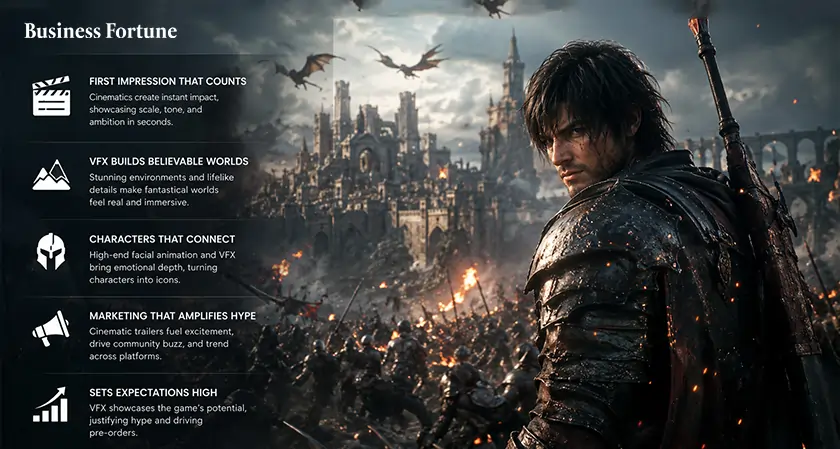
Game trailers have developed into short cinematic films that focus more on visual storytelling. Developers use advanced VFX to create dramatic sequences that highlight characters, worlds and action. This approach helps studios get attention in a busy gaming market where first impressions matter more than ever.
-
Trailers now mimic Hollywood style storytelling.
-
Real time game assets are used for visual consistency.
-
Emotional impact is prioritized over raw gameplay.
-
Cinematic trailers help strengthen brand identity.
The use of in engine footage has also increased, reducing the gap between marketing visuals and actual gameplay experience. This makes the final product feel more authentic to players.
How are engines changing VFX creation?
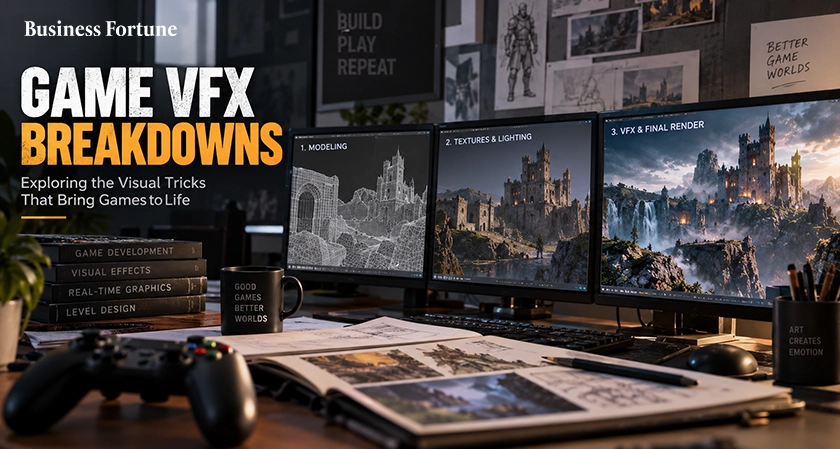
Real time engines have changed how cinematic content is produced in gaming. Instead of depend only on pre rendered sequences; studios can now build high quality visuals directly within the game engine itself. This eases production time and allows faster repetition during development.
-
Engines enable instant lighting and physics simulation.
-
Developers can adjust scenes in real time.
-
VFX integration is smoother and more efficient.
-
Gameplay and cinematic pipelines are increasingly unified.
Why are studios hiring more VFX artists?
As trailers become more complex, the need for skilled VFX artists continues to grow. Studios require experts who can handle simulations, animation and cinematic design across multiple platforms. This demand spans both AAA studios and independent developers.
-
High demand for cinematic designers and VFX specialists.
-
Skills in Unreal Engine are increasingly essential.
-
Film industry professionals are moving into gaming.
-
Marketing teams rely heavily on visual storytelling.
The edge between film VFX and gaming production is becoming more visible as both industries share similar tools and workflows.
Is AI changing game cinematics?
AI is start to support VFX production by automating repetitive tasks and increasing visual detail. While it does not replace creative roles, it significantly speeds up workflows and improves efficiency in asset creation and animation processes.
-
AI helps in procedural animation and effects generation.
-
Reduces manual workload for artists.
-
Improves realism in lighting and particle systems.
-
Human creativity remains central to direction.
Future Perspective
The future of gaming cinematics is moving toward near perfect real time photorealism. As engines progress and AI tools advanced, the border between gameplay and cinematic trailers will continue to disappear. Studios focus more on immersive storytelling, where VFX and sentiment work together to shape player expectations and engagement.
Thus, Business Fortune is of the view that cinematic gaming VFX will redefine storytelling, blending realism, AI, and immersion forever.


.webp)