New South Wales rolls out major clean energy tender boosting storage and generation capacity to support coal phase-out efforts.
-
NSW launches biggest renewable tender
-
Drives large-scale clean energy transition
-
Targets long-duration storage and generation
-
Speeds coal-to-renewables replacement strategy
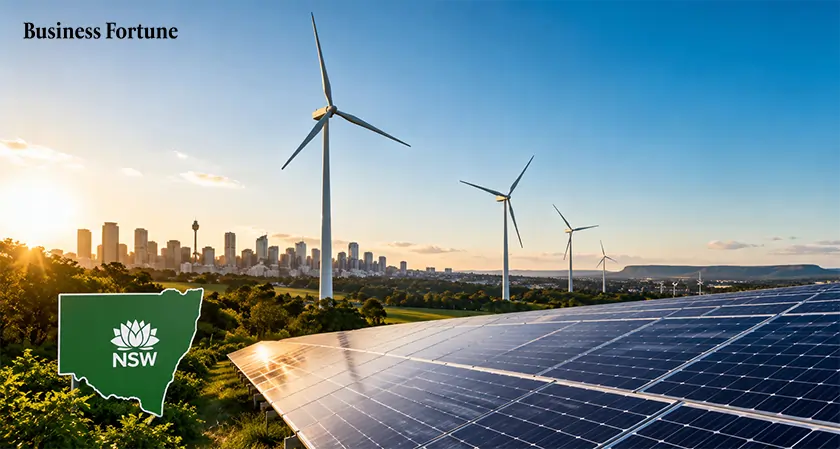
New South Wales (NSW) has launched its biggest renewable tender in Australia, issuing large-scale tenders for new generation and long-duration storage to speed up the shift away from coal-fired electricity. With a target of 12 gigawatt-hours (GWh) of energy storage and 2.5 gigawatts (GW) of renewable energy capacity, Australia's electrical infrastructure program has reached a major achievement.
As part of NSW's long-term plan to manage the projected retirement of outdated coal assets while building a more dependable, lower-emission power system, AusEnergy Services Limited (ASL) is in charge of the tenders. By offering variable storage options that can provide electricity during times of high demand or decreased solar and wind generation, the project aims to increase grid stability in addition to improving the availability of clean energy.
According to project specifics, Tender 8 aims for 2.5 GW of new wind and solar power, with a focus on hybrid projects that combine battery storage with renewable energy sources. These hybrid systems are expected to improve dispatchability by allowing renewable energy to be stored and released during evening demand spikes, when the grid typically suffers greater stress. Projects with a minimum capacity of 30 MW that are expected to go online by 2029 are eligible for consideration.
Long-duration energy storage of up to 12 GWh is the goal of Tender 9. This category includes large-scale battery systems and pumped hydro projects, which require a minimum storage capacity of eight hours. The targeted infrastructure is expected to be essential to preserving electrical reliability as intermittent clean power replaces the grid's major energy source.
According to NSW Energy Minister Penny Sharpe, the new tenders are crucial to maintaining system security and reducing enduring electricity prices. She emphasized that by helping to ensure a consistent supply of energy even in the event that coal-fired units are removed from the grid, the program will establish storage as an essential pillar of future grid resilience.
The state has set more aggressive targets to provide at least 16 GW of additional renewable energy by 2030 and about 42 GWh of long-duration storage by 2034. Officials claim that the most recent tenders will knowingly advance these objectives and could unlock a major portion of the state's future clean energy pipeline.
Registration for both bids is scheduled to close next month and projects that are chosen are anticipated to be revealed by the end of 2026. Industry observers view the action as one of the most major renewable energy procurement stages in Australia's energy transition, reflecting the growing breadth and urgency of grid transformation efforts.
Thus, Business Fortune is of the view that NSW’s landmark tender marks a decisive step in scaling clean energy infrastructure, reinforcing that storage-led renewable expansion will be central to maintaining grid reliability during Australia’s coal transition.


.webp)