India enforces the Women’s Reservation Act 2023, enabling 33% quota in Lok Sabha and state assemblies under the women reservation in parliament framework.
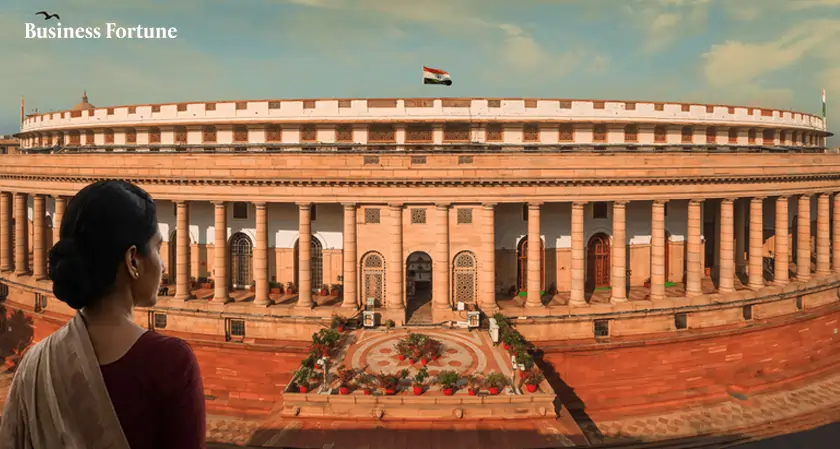
The Central Government has made the Constitution (106th Amendment) Act active from April 16, 2026. This law provides 33% reservation for women in the Lok Sabha and State Legislative Assemblies, aiming to increase women’s reservation in parliament and improve women’s participation in Indian politics.
The Ministry of Law and Justice issued a notification confirming the start date of the 2023 law. Although the President had already approved it earlier, the law was not in effect because the government had to officially announce when it would begin. This decision comes at an important time, as Parliament is still discussing related changes to constituency boundaries and how the women’s reservation plan will be implemented.
Under the original provisions of the 106th Amendment Act, the reservation for women was tied to a delimitation exercise to be conducted after the next national Census. This effectively meant that implementation would be delayed until the redrawing of constituency boundaries based on updated population data. However, the government has now introduced the Constitution (131st Amendment) Bill, which intends to increase the strength of the Lok Sabha from 543 to 850 seats and revising the linkage between women’s reservation and delimitation.
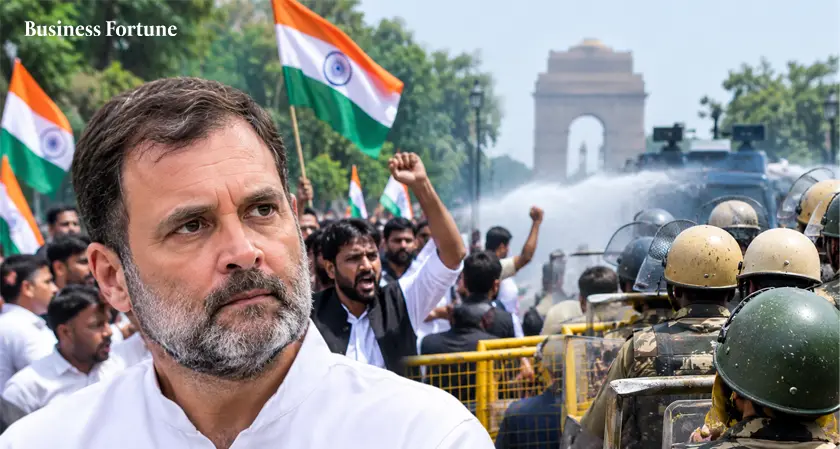
The decision has led to debate in Parliament. Opposition parties support women’s reservation but are worried about the plan for redrawing constituency boundaries, especially because it is based on the 2011 Census and could affect how different states are represented. The Bill is being reviewed in a special parliamentary session and will need a two-thirds majority in both Houses to become law.
Prime Minister Narendra Modi, addressing Parliament during the session, described the moment as historic and emphasized that the reforms aim to strengthen women’s participation in governance. Beware the wrath of women, PM Modi said and asserted that the delimitation exercise would not disadvantage any region and called for a collective political effort to ensure passage of the bills.
At present, women make up about 14 percent of Lok Sabha members. The government’s proposal seeks to significantly increase this share, aligning India with several countries that have implemented legislative quotas for women. India already reserves one-third of seats for women in local bodies, making this reform a major expansion at the national and state levels.
As India moves through one of its most closely watched constitutional reforms, Business Fortune will continue to track how this landmark decision reshapes political representation and governance in the years ahead.


.webp)