- Sowmiya Sri Mani
The owner of the James Bond IP has opposed a trademark application for the parody character James Pond, challenging efforts to revive the classic 1990s video game franchise.
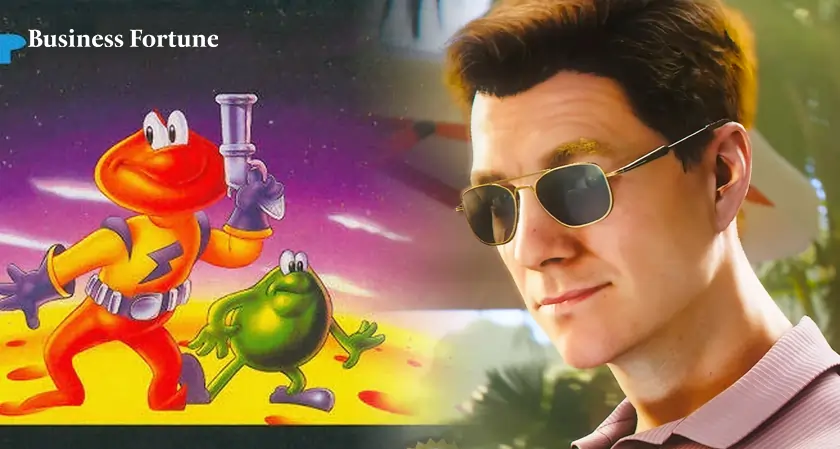
Gameware Europe and System 3, which hold the rights to the James Pond franchise, are planning to revive the series with new games. As part of that effort, System 3 filed a trademark application for “James Pond” last year, covering video games, toys, and clothing. And the attempt to trademark filing for the 1990s video game parody character James Pond has been challenged by the owner of the James Bond intellectual property.
However, the application has been opposed by Danjaq LLC, the company that controls the copyright and trademarks for the James Bond films and related properties. While Danjaq has not publicly explained its objection, reports suggest the company is likely relying on the strong global recognition of the James Bond brand and the legal protections tied to it.
System 3 founder and CEO Mark Cale has defended the application, arguing that James Pond is not a new creation but a long-established character with a history spanning more than three decades. This is not the first time the two sides have come into conflict. In 2012, Danjaq successfully opposed a similar trademark application at the European Intellectual Property Office, which was ultimately rejected.
The original game, James Pond: Underwater Agent, was released in 1990, followed by the more successful James Pond II: Codename RoboCod. Additional titles, including James Pond 3: Operation Starfish and the spin-off The Aquatic Games, were released in the early 1990s. The series faded out by the mid-1990s, with a brief and poorly received attempt to revive it through a mobile game in 2011.
Legal experts say the case may be challenging for System 3. Under UK trademark law, parody is not formally recognized as a legal defense, which could weaken the company’s position despite the character’s long-standing role as a satirical take on James Bond.
As Business Fortune notices, the case highlights the growing tension between legacy parody brands and the strict realities of modern trademark law. The outcome could have wider implications for how established characters are protected, revived, and positioned in today’s competitive IP landscape.
About the Author
Sowmiya Sri Mani is a writer for Business Fortune, covering AI, Robotics, Software, Entrepreneurship, and Opinion. She delivers clear and engaging insights on emerging trends and industrial developments, helping readers understand the evolving landscape of technology and innovation.


.webp)