Proposed legislation aims to protect minors from AI dangers, mandating safety plans, rapid reporting, and strict penalties for violations.
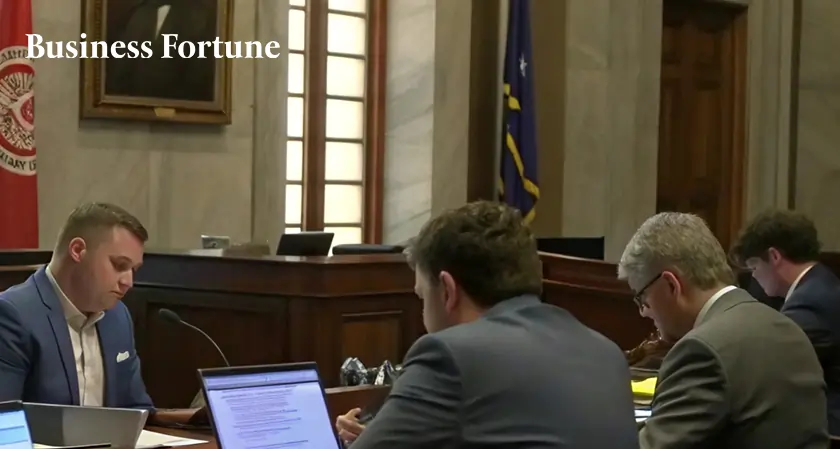
A Tennessee bill aimed at improving child safety in artificial intelligence systems might go into effect as early as next year, though momentum has recently halted in the state legislature. The committee vote on the bill was supposed to take place earlier this week but it was postponed.
Large AI developers and chatbots providers are the target of the law, which mandates that they create and release comprehensive child safety strategies. These approaches must specify how businesses will recognize, evaluate and reduce any hazards that minors using their platforms may face. Strict reporting rules are also included in the measure, which would give businesses 15 days to report serious safety events and as little as 24 hours to report instances involving immediate risk. Civil penalties may be imposed for failure.
According to legal experts, highlights rising worries about how AI systems interact with younger users. The goal, according to lawyer Scott Maucere, is to stop chatbots from producing dangerous or deceptive content that can endanger kids. He noted that establishing protections in AI is no different from ensuring heavy machinery functions securely, drawing comparisons between the regulation and fundamental safety standards in other industries.
Maucere also emphasized the dangers of AI-generated false information, sometimes known as "hallucinations," which could have harmful consequences if minors take it seriously. Children might not always be aware that they are interacting with artificial intelligence, he continued, which could make it harder to distinguish between human and machine communication.
Maucere highlighted the importance of education while endorsing the necessity of regulation. According to him, the secret to optimizing AI's advantages without putting kids at needless risk is teaching them how to use it safely. As the bill advances through the legislative process, more updates are anticipated. It is currently undergoing review. Hence, Business Fortune is of the view that Tennessee’s proposed legislation reflects a broader shift toward holding AI developers accountable, balancing rapid technological innovation with the urgent need to safeguard younger users from emerging digital risks.
Keywords:


.webp)