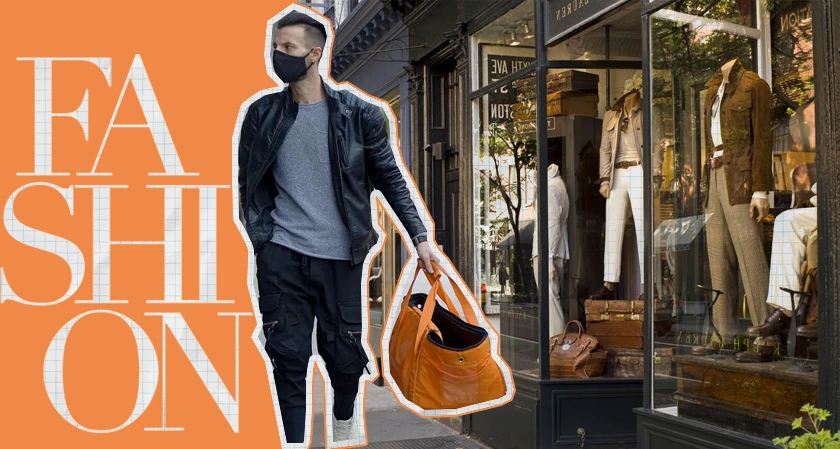
Streetwear fashion has become a cultural force that transcends just clothing.
Streetwear fashion has come a long way since its inception in the 1980s. Originating from the skateboarding and hip-hop subcultures of California, streetwear was a way for youth to express themselves through fashion, using bold graphics, oversized clothing, and unique sneakers. Now, it has become a global phenomenon, with high-end brands incorporating streetwear aesthetics into their collections and collaborating with streetwear designers and brands. One of the pioneers of streetwear was Shawn Stussy, who started selling surfboards in Laguna Beach, California, in the early 1980s and began printing his signature on t-shirts. The Stussy brand quickly gained popularity with its now-iconic logo and graphics that captured the essence of the Southern California lifestyle. Other brands such as Supreme, BAPE, and Palace Skateboards soon followed, creating their own versions of streetwear that were heavily influenced by the skate and hip-hop scenes of New York and Japan.
As streetwear evolved, it continued to be characterized by bold graphics, oversized fits, and unique accessories. The use of sneakers became an important aspect of streetwear, with collaborations between brands and designers leading to highly coveted, limited-edition releases. The influence of streetwear on high-end fashion can be seen in collaborations between luxury brands such as Louis Vuitton and streetwear designers like Virgil Abloh. Streetwear fashion has become a cultural force that transcends just clothing. It has become a way for people to express their personalities, interests, and identities in a style that values individuality and creativity.


.webp)