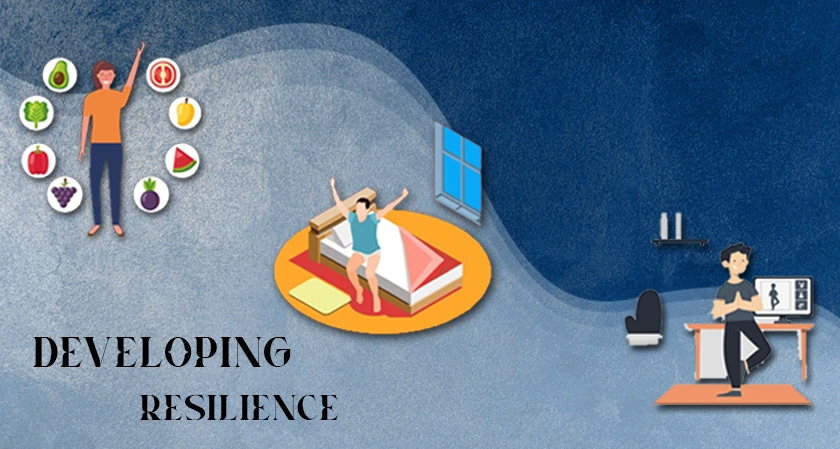
Physical health is also crucial to resilience.
Major life changes, whether they are planned or unexpected, can be emotionally and mentally challenging. However, the ability to develop resilience can help individuals cope with and overcome these difficulties. Resilience is defined as the ability to adapt to stress, adversity, and trauma. By building resilience, individuals can rebound from setbacks, remain optimistic, and persist in their goals despite challenges. One way to develop resilience is to maintain a positive outlook and attitude. Practicing mindfulness, meditation, and positive affirmations can help individuals stay present in the moment, reduce anxiety, and focus on the good in their lives. Another strategy is to foster healthy social connections. Spending time with friends and family who provide emotional support can help individuals feel less isolated and more supported in times of change.
Physical health is also crucial to resilience. Eating a balanced diet, getting enough sleep, and exercising regularly can help improve mood, reduce stress levels, and increase energy levels. Seeking professional help from a therapist or counselor can also be beneficial in building resilience. They can provide support, guidance, and help individuals identify coping skills. Building resilience in the face of major life changes requires effort and persistence. By staying positive, connecting with others and taking care of oneself, individuals can successfully navigate even the most challenging of situations and come out stronger on the other side.


.webp)