Business Fortune
.webp)
For many independent films, every minute spent in the edit, sound mix, and color pass matters – not just creatively, but also financially, in an industry where post-production frequently feels like a reluctant coda to creative creation. Studios are dispersed, with editorial in one location, sound in another, color in, yet, another, and VFX somewhere else! For filmmakers on a tight budget, the post-house may seem like the last obstacle rather than the finish line due to frequent delays, misunderstandings, and budget overruns.
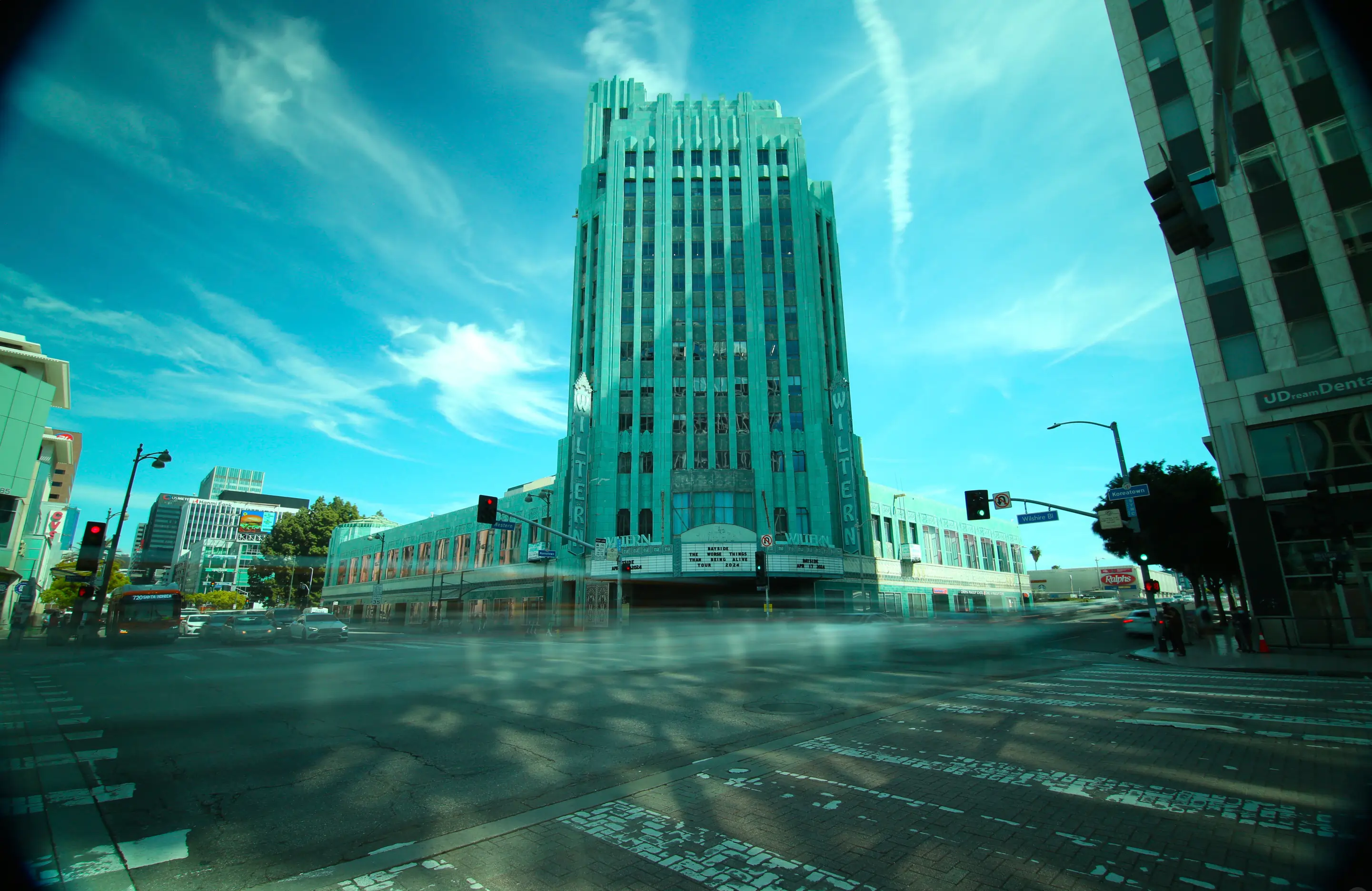
Enter Sugar Studios. This Los Angeles-based full-service post-production company provides editorial, color, sound, visual effects, and deliverables all under one roof. Sugar Studios has established a reputation for providing high-end workflows that are usually reserved for big-budget productions but customized for indie filmmakers. Its flagship facility occupies three full floors inside the famous Wiltern Tower, including the Penthouse.
Today, Sugar Studios is recognized as the “Top Post-Production Studio of 2025” by Media & Entertainment Business Review. And behind this recognition is Los Angeles native, Jijo Reed, a former editor, whose ideas were influenced by the inefficiencies in post-production he personally experienced throughout the years.
In an exclusive interview with Business Fortune, Jijo Reed, Founder and CEO of Sugar Studios, shared his belief that every film deserves respect, discussed the success of the “under one roof” model, and explained how he’s preparing Sugar Studios for an AI-driven future. Below is an excerpt from the interview.
From starting Sugar Studios with just a laptop and a hard drive to now running one of Los Angeles’ most respected full-service post-production houses, what inner drive or defining belief kept you pushing forward through the toughest moments of building this company from scratch?
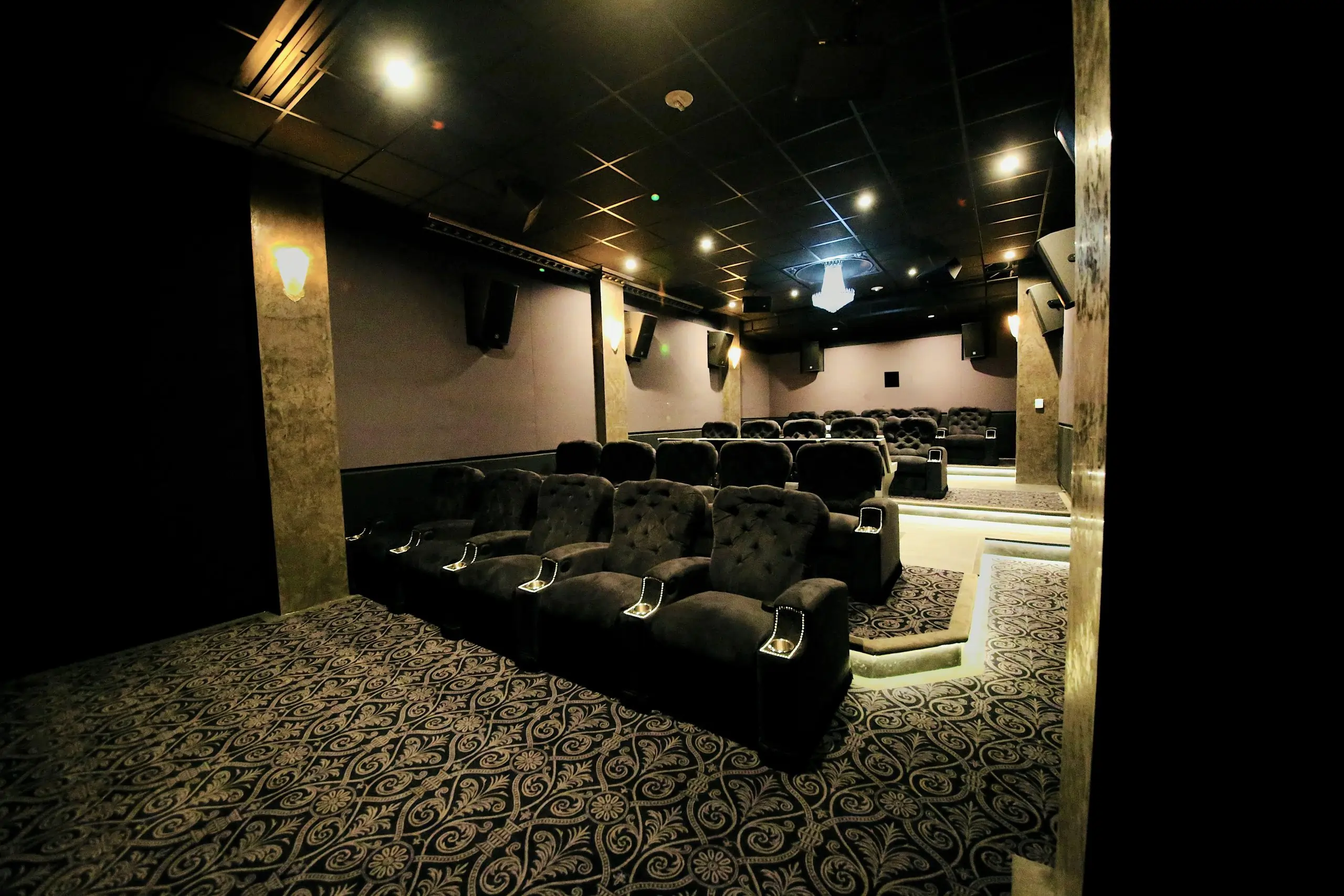
I think that by treating each project with full respect and utmost passion, regardless of its scope or budget, we have gained real loyalty from our filmmaker clients. It’s important to realize that even though we are working on numerous projects simultaneously, our clients, most often, are singularly dedicated to their one project…and we have to match or exceed their attention and dedication. It’s really about respecting each film we work on and giving them the love they deserve.
You chose to model Sugar’s workflow more like a trailer house (all services under one roof) but apply it to independent features. What made you believe that this model would work for long-form independent film, and how did you convince partners/clients to trust that vision when you were just starting?
This approach came from working in trailer houses, where creative work and full post-production services were mixed together. It really helped me learn different skills. Moving from trailer projects to full-length movies felt pretty natural, since trailers are basically just mini short films. Things like editing, sound design, music, VFX, and color grading all show up in both – you’re just dealing with longer timelines in feature films. There was no need to “sell” this concept to feature film clients as they immediately experience the benefits of unified services; more efficient post schedules, fewer chances for delays or budget overruns, and seamless workflows.
The “under one roof” model is a differentiator you highlight. Could you share a specific scenario where having all services in-house (rather than outsourcing) made a meaningful difference – in schedule, budget, creative outcome or client experience?
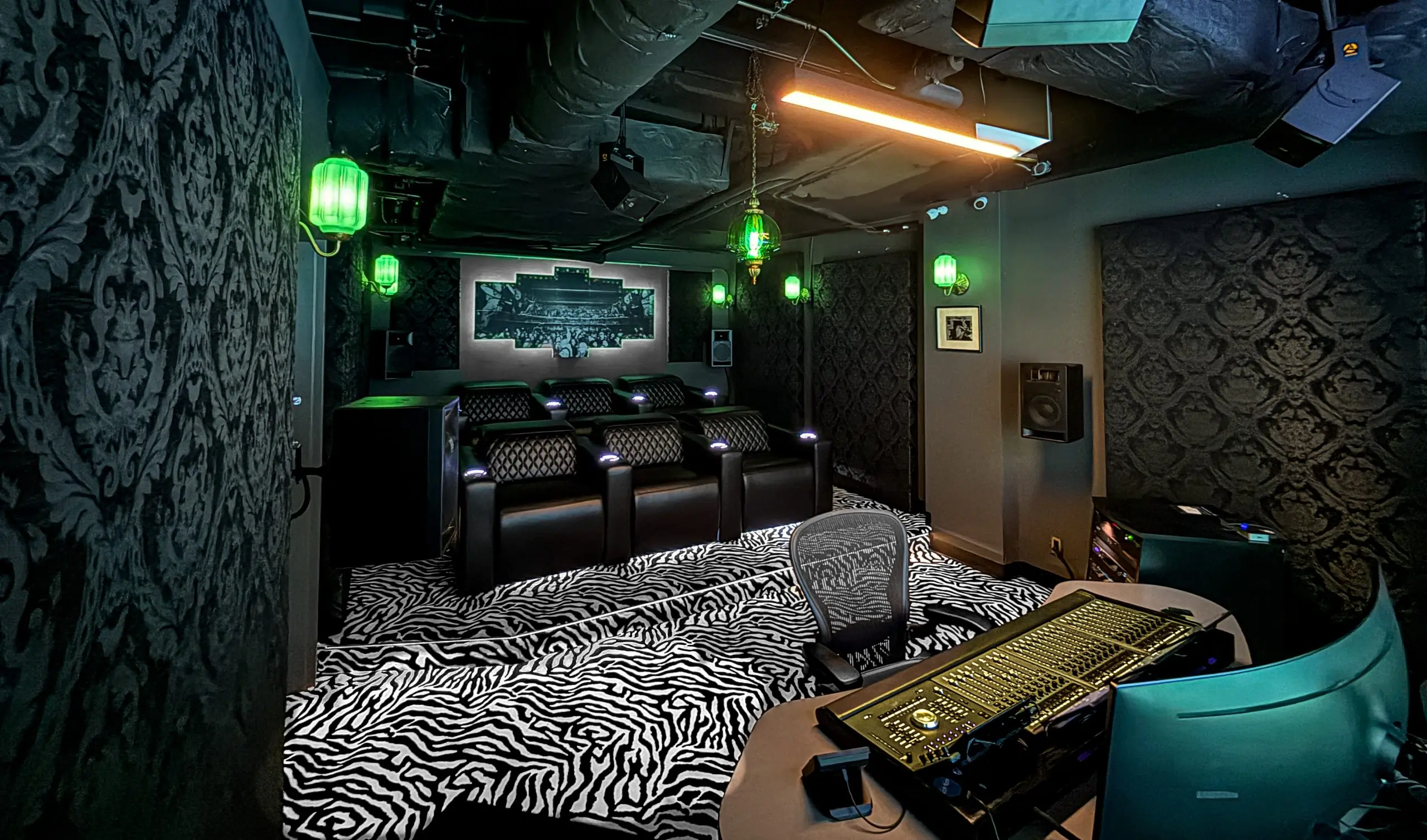
This model has been highly effective for quickly resolving project issues. For instance, if a VFX shot needs adjustment during color grading, our in-house VFX artists immediately refine it and upload the updated version to the company server so it can be integrated directly into the grading session. The same applies to color issues identified during mixing – any revisions are implemented instantly and updated without delay. Because all processes are managed in-house and we centralize all media in one location, the team completes modifications rapidly without falling behind. This efficiency is crucial for indie films, where time and budget are limited.
As post-production workflows evolve (e.g., remote editing, cloud workflows, AI tools), how is Sugar Studios adapting? Which services or technologies are you investing in now to future-proof you’re offering?
Sugar Studios continuously tracks post-production trends, constantly exploring and integrating emerging workflows and technologies. Our in-house setup is purpose-built for streamlined operations, and we are now incorporating SOME AI tools into our processes. These enhancements keep us agile and productive, which is essential when handling indie projects with strict deadlines and limited budgets.
We leverage AI tools to enhance sound design and accelerate VFX previews, streamlining the entire process and giving our artists more time to focus on creativity. By continuously upgrading our technology and ensuring our team is proficient with these new tools, we’re positioning Sugar Studios to stay ahead of the curve in the future of filmmaking.
Independent films often have tighter budgets compared to major studio productions. How do you manage the tension between high-end service expectations and cost-effectiveness for indie clients? What trade-offs have you innovated to deliver premium quality at more challenging budgets?
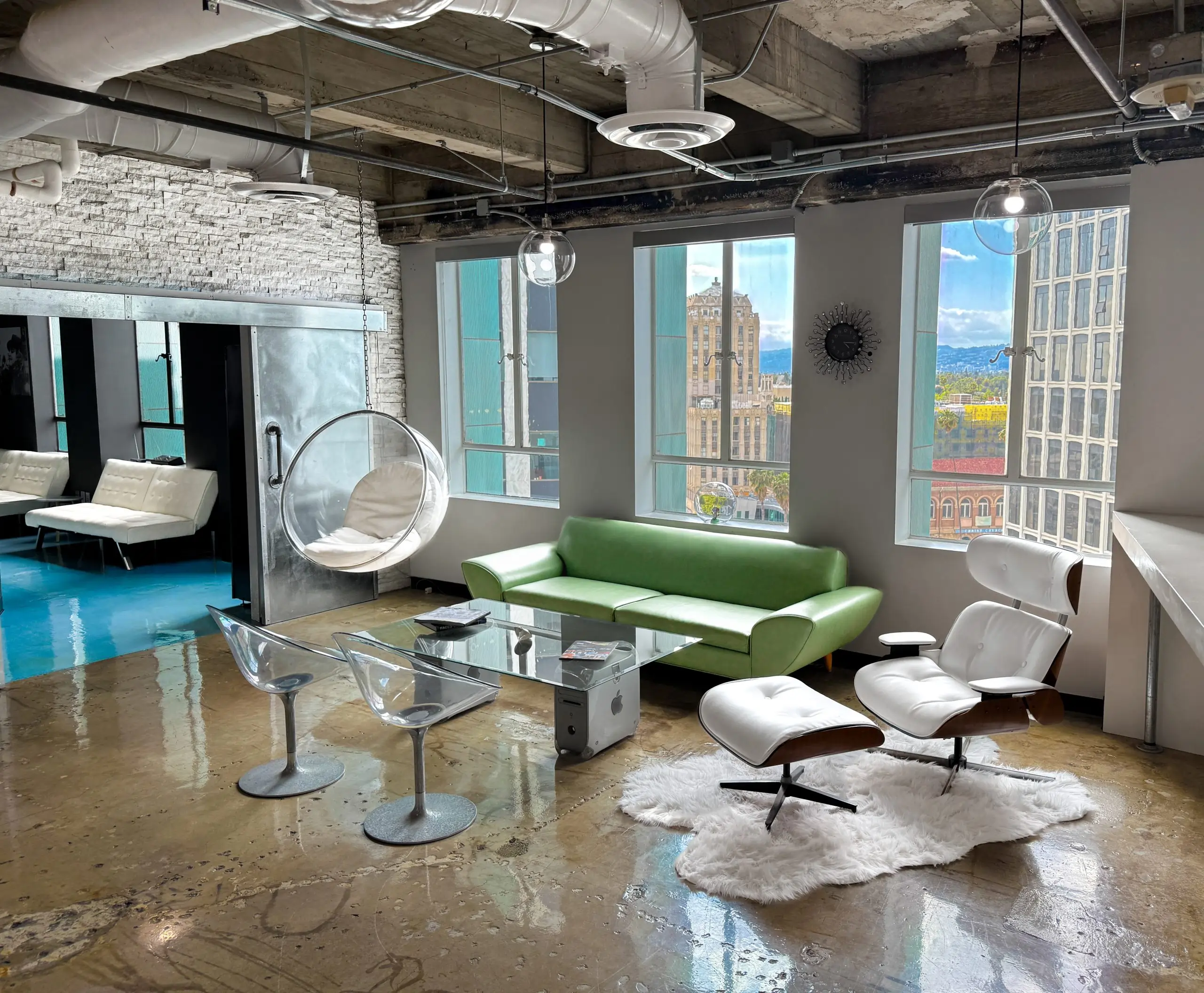
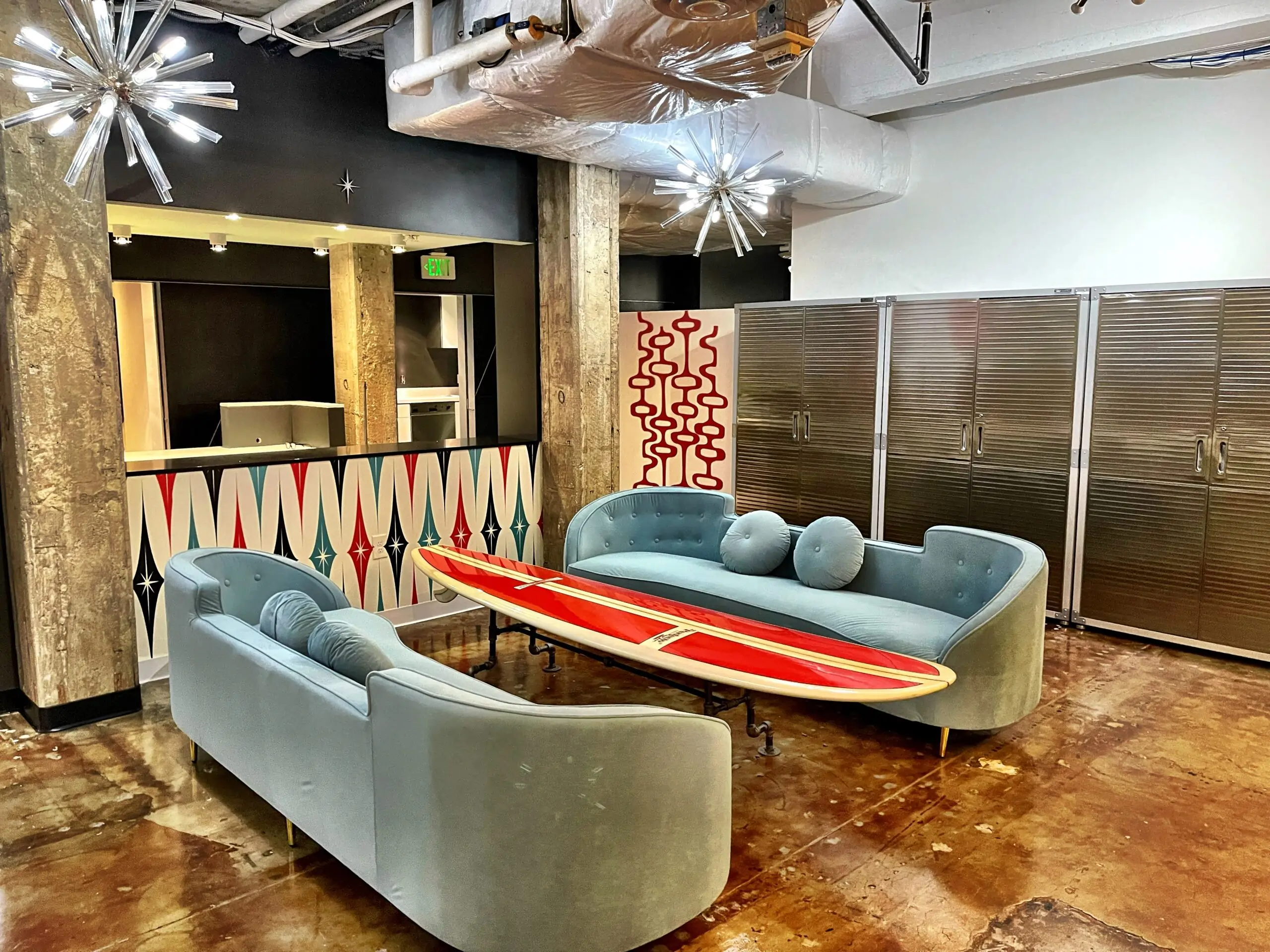
Honestly, it all comes down to our talented artists, smart business development, and a streamlined workflow. Yes, we have an amazing interior design aesthetic here, but this means nothing if we don’t have the talent and rock solid tech under the hood. At Sugar, we’ve built an in-house system that’s highly efficient and flexible, allowing us to deliver top-tier work without cutting corners – even when budgets are tight. We never compromise on quality; instead, we focus on finding creative solutions and leveraging the latest technology. By staying ahead of the curve and keeping everything under one roof, we’re able to move fast, adapt quickly, and make premium quality accessible to indie filmmakers, no matter the challenges. We’re constantly exploring new ways to improve so our clients never have to settle for less.
In recent interviews you’ve spoken about AI, but also emphasized human intuition, rhythm and “soul” in post-production. How do you balance integrating emerging technologies (e.g., AI, automated workflows) while preserving the human craft and creative instinct that you believe is central?
For us, it’s all about mixing the best of both worlds. AI and new tech help us work faster and smoothly – they take care of the repetitive stuff and give us quick previews, but it’s not a tech we rely on. No matter how smart the tools get, it’s still the human touch that makes the work feel alive. There’s a rhythm and intuition to editing, sound, and color that machines just can’t replicate. So, we use the tech to boost our workflow and keep things moving, but the heart of every project is still the creative decisions our team makes. We’re always looking for ways to stay efficient without losing that “soul.” At the end of the day, it’s the artists – using their instincts and experience – who set the vibe and bring the magic, with AI just helping out along the way.
Would you like us to highlight something important happening in your company that we may have missed asking about?
We work on an average of ten to fifteen films simultaneously. Currently, we are working on some very cool films like IN TANDEM starring Emile Hirsch and STRANGLEHOLD, starring Justin Long and Ron Perlman.
A Visionary behind the Frame
Jijo Reed, recognized by MSN as one of the “Top 10 Leading Men in 2025” and by LA Weekly and the New York Post as a “Top Trendsetter in 2023,” is an Emmy Award–winning producer, a 16-time Telly Award winner, and the executive producer of more than 100 feature films and series.
His feature films include Coyotes (2025) starring Kate Bosworth and Justin Long; World Breaker starring Milla Jovovich and Luke Evans; and Vampires of the Velvet Lounge featuring Mena Suvari, Tyrese Gibson, and Steven Dorff. Other projects include Crescent City starring Alec Baldwin and Terrence Howard; The Blackening, directed by Tim Story for MRC; Village Roadshow’s Cinnamon; and Mending the Line starring Brian Cox (Succession). Reed also produced Machine Gun Kelly’s Life in Pink (2022), a Hulu/Disney documentary, and Back on the Strip, featuring Kevin Hart and Tiffany Haddish.
In 2012, Jijo founded Sugar Studios, a full-service post-production house specializing in independent film.
Sugar Studios was recognized as the “Top Post-Production Studio of 2025” by the prestigious global industry publication Media & Entertainment Business Review.
A defining moment in Reed’s career came when he dove to the wreck site of the Titanic aboard the Russian submersible Mir 1 while directing and producing a documentary about the legendary ship. During the expedition, he became one of the few people in the world to dive to the actual wreckage – 2.5 miles below sea level. In fact, more people have been to outer space than have reached this depth of the ocean. His “groundbreaking, cinematic” footage of the Titanic has been recognized globally. Reed reflects, “This was the most life-changing project of my career.”
Reed also served as Visual Effects Supervisor for The Avengers S.T.A.T.I.O.N., a 3D interactive exhibit and immersive experience that remain a major attraction in both Times Square, New York, and Las Vegas.
In 2013, Jijo was the Executive Producer of the Obama Presidential Inauguration Concert in Washington, D.C., featuring will.i.am and John Legend. Additionally, he has produced on-screen media for major concert tours, including Eminem’s MTV Awards performance and Guns N’ Roses.
Earlier in his career, in 2004, Jijo created the hit VH1 series “Celebrity Rehab,” which earned numerous awards and has inspired and helped people worldwide in their recovery journeys.
Throughout the 1990s, he worked as a Post Supervisor on audio-visual advertising campaigns for studio films such as Martin Scorsese’s Casino, James Cameron’s True Lies, Star Trek, Die Hard, Lethal Weapon 4, Unforgiven, and many others.
A third-generation Los Angeles native, Jijo Reed grew up in Studio City, California. He is the grandson of Alan Reed, the iconic voice of Fred Flintstone, who also appeared in Breakfast at Tiffany’s and The Postman Always Rings Twice. Jijo is also the nephew of Hermes Pan, the legendary choreographer for Fred Astaire and Ginger Rogers.
“It’s really about respecting each film we work on and giving them the love they deserve.”


.webp)