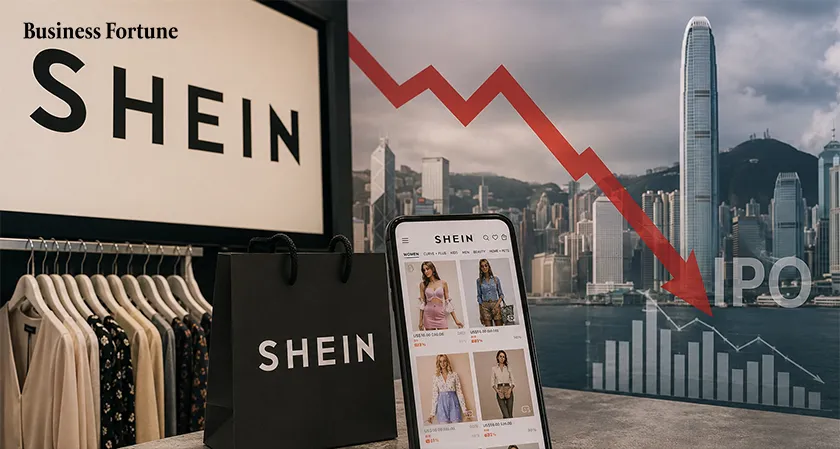
Shein is heading for a Hong Kong IPO after its valuation fell from nearly $100B to $26.8B. Can it win back investor confidence?
A $5 dress has made Shein a global sensation in the fashion industry. However, Shein is about to step into a new era. As Shein prepares for its much-anticipated Hong Kong Stock Exchange debut, a different set of figures emerges behind its upcoming Initial Public Offering. The online fashion company wants to raise up to HK$13.86 billion ($1.77 billion), while the firm's valuation now stands at $26.8 billion, down from the roughly $100 billion valuation it enjoyed in private equity four years ago.
The firm intends to offer almost 280 million shares at prices ranging between HK$47.60 to HK$49.50 per share. Shein will announce the final price on August 31 and begin trading on September 1.
The IPO comes after years of waiting
Shein’s journey to the public market has not been an easy one. The company has already made attempts at listing in New York and London but had to run into regulatory difficulties along the way. Founded in China but now operating out of Singapore, Shein got the green light from Beijing last month to launch its Hong Kong IPO. According to the company, the money will be invested into technology and expanding their international footprint.
Can Shein’s low-price formula still deliver?
For years, Shein’s biggest advantage was speed. Its vast network of suppliers in China allows the company to spot fashion trends, produce new designs quickly and sell them at prices that traditional retailers often struggle to match. That advantage is now facing pressure. Higher costs, slower sales growth and changes to import rules are making the business more difficult to run.
In the first three months of this year, Shein reported a $99 million loss, compared with a $395 million profit in the same period a year earlier. The removal of the US de minimis exemption, which previously helped low-value shipments enter the country without certain import duties, has also increased pressure on the company's model.
Regulation could shape what comes next
Shein is also dealing with criticism over supplier working conditions, environmental impact and products sold on its platform. France has imposed more than €210 million in various fines on the company over the years, including recent penalties linked to product traceability, environmental labelling and delivery times.
Yet its reach remains enormous. By the end of last year, Shein had around 156 million average monthly users in Europe, putting it among the continent’s largest e-commerce platforms.
The Hong Kong listing will give investors a fresh chance to judge whether Shein can turn its global popularity into lasting profits. As Business Fortune observes, its next phase may depend on more than cheap clothes. Technology, supply-chain efficiency, compliance and the ability to adapt to changing trade rules could determine whether Shein can rebuild the value it has lost.
FAQs
When will Shein list in Hong Kong?
Shein is expected to begin trading on the Hong Kong Stock Exchange on September 1, 2026.
How much could Shein raise from the IPO?
The company aims to raise up to HK$13.86 billion, or about $1.77 billion.
What will Shein be worth after the IPO?
At the top of its share-price range, Shein could have a market valuation of about $26.8 billion.
Why has Shein’s valuation fallen?
Slower growth, higher operating costs, trade restrictions and increasing regulatory scrutiny have put pressure on its business and valuation.
What could shape Shein’s future?
Technology investment, international expansion, supply-chain efficiency and its ability to manage tariffs and regulatory requirements will be important to its next phase of growth.


.webp)






























Comments