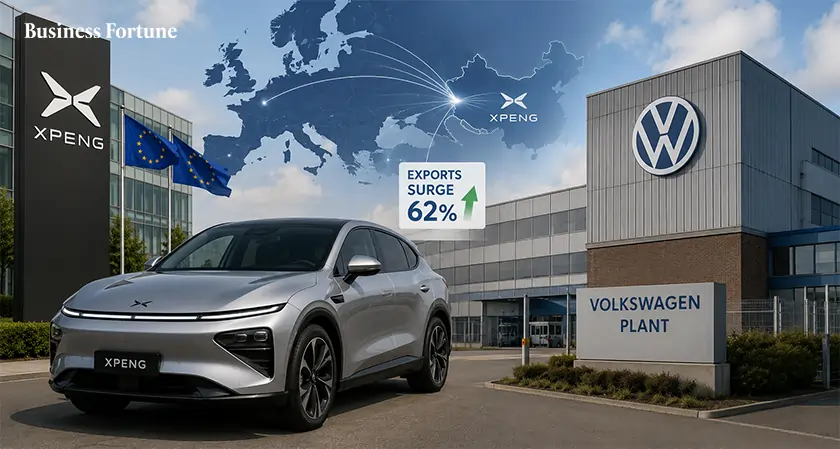
XPeng explores European production expansion as exports surge, engaging Volkswagen amid rising demand and growing localization strategy across Europe.
-
Xpeng expansion in Europe explores acquisition of a Volkswagen plant amid rising EV exports
-
Exports surge 62 percent, strengthening global demand for Xpeng electric vehicles
-
Potential deal signals a deeper push into Europe’s manufacturing base and supply chain network
-
Move highlights intensifying competition in the global EV sector between Chinese and European automakers
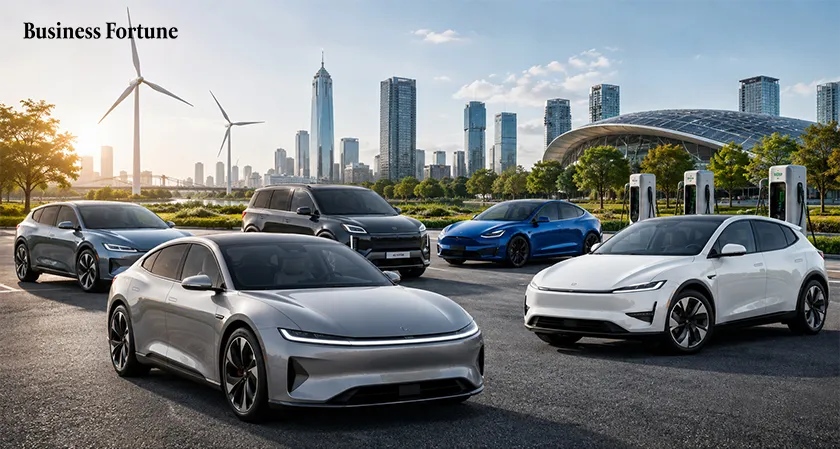
XPeng is in discussions with Volkswagen about acquiring or accessing production capacity in Xpeng expansion in Europe, as the Chinese EV manufacturer faces increased export demand and limited output at its present contract manufacturing base in Austria. The talks coincide with XPeng's announcement of record foreign shipments of 6,006 vehicles in April 2026, a 62 percent overall rise that reflects the company's growing worldwide expansion.
The procedure comes in response to increasing demand on XPeng's contract production line in Austria, which is run by Magna Steyr and produces the G6 and G9 models for the European market. Executives at the company claim that the factory is getting close to capacity because of a sharp increase in demand throughout Europe, where XPeng expansion delivery quickly. If talks with Volkswagen lack a suitable acquisition, the automaker is also contemplating setting up a new production facility in Europe.
Volkswagen's reorganization edge presents a possible opportunity for joint effort. Due to low demand and cost concerns, the German manufacturer has been closing underutilized sites and lowering production capacity across Europe. Oliver Blume, the CEO, stated that he is open to supporting idle facilities for parents, especially Chinese automakers with whom he already has strategic ties.
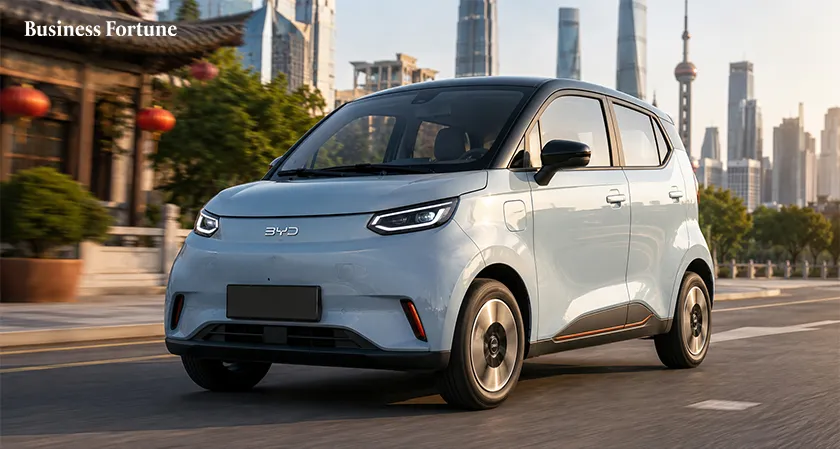
BYD is currently looking into similar localization strategies in Europe, including talking to Stellantis and other automakers about access to existing plants. Also, the company is expanding its own production footprint; new facilities in Turkey and Hungary are anticipated to open soon, indicating strong competition among Chinese EV manufacturers for European manufacturing capacity.
Partnerships between recognized automakers and rising EV companies are another aspect of the larger trend. While XPeng Europe has strengthened its technological partnership with Volkswagen, including joint development of smart driving systems, Leapmotor has increased teamwork with Stellantis in Spain. According to industry analysts, as localization pressures and tariffs speed structural modification, these alliances are changing the European automobile supply chain.
Overall, XPeng's action highlights a quick transition from exporting completed cars to creating regional manufacturing centers in Europe. Chinese EV manufacturers are increasingly establishing themselves as long-term stakeholders in the region rather than export-only suppliers as demand picks up speed and tariff pressure increases.
As Chinese EV brands strive for quicker market entry and European automakers reevaluate capacity, analysts predict that the wave of plant discussions will continue. A unique alignment of interests is being created by the convergence of excess production assets in Europe and growing export momentum from China. Over the next ten years, ownership patterns across the continent's auto manufacturing base may change if agreements like XPeng's and Volkswagen's come ahead.
Thus, Business Fortune is of the view that Chinese EV expansion in Europe will reshape automotive manufacturing partnerships across Europe.


.webp)