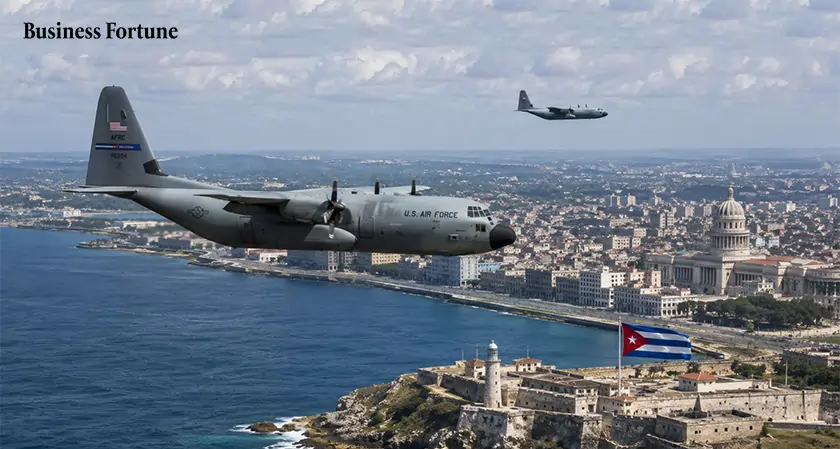
Surveillance missions increase across Cuban coastline using drones and aircraft amid rising US Cuba tensions and regional security concerns ongoing
US military flights in Cuba increased significantly in 2026, along with rising tensions across the Caribbean area. Drones and analysis planes are used in the activities to keep surveillance on the island's coast and maritime activity. According to analysts, the increasing trend is a result of Washington's strategic signaling and gathering information in response to regional issues.
Wider attention has also been drawn to these missions' visibility through public flight surveillance systems. Altogether, it indicates a more vigilant and closely monitored US security posture in the area.
Expanded Surveillance Signals Growing Strategic Pressure
The US has increased airborne intelligence missions over Cuba, including repeated US intelligence flights near coastal zones and marine routes. Instead of discrete actions, the pattern points to a constant surveillance effort.
-
Flights have intensified significantly since early 2026 across the Caribbean airspace.
-
A mix of drones, maritime patrol planes, and intelligence aircraft deployed.
-
Focus on Cuban coastline, ports, and communication activity monitoring.
-
Increased visibility through open-source flight tracking platforms.
-
Coordinated missions indicate a structured intelligence campaign.
Surveillance Activity Linked to Diplomatic Pressure Strategy
Experts believe the operations are not only intelligence-based but also politically symbolic, reflecting broader pressure on Cuba amid strained relations.
-
Operations coincide with rising US-Cuba diplomatic tensions.
-
Flights interpreted as strategic signaling by regional analysts.
-
Intelligence missions align with broader policy pressure measures.
-
Public tracking data increases transparency of military activity.
-
No official U.S. disclosure of mission-specific objectives.
Regional Security Concerns Continue to Rise
Cuba has raised concerns over the increasing frequency of U.S. surveillance flights near its territory. The development adds pressure to already fragile regional stability in the Caribbean.
-
Cuban authorities criticize expanded surveillance operations.
-
Concerns raised over airspace proximity and sovereignty issues.
-
Regional analysts warn of possible escalation risks.
-
Maritime zones under continuous intelligence observation.
-
No signs of diplomatic de-escalation in the near term.
Advanced Military Systems Driving Surveillance Effort
The missions rely on sophisticated U.S. surveillance platforms designed for long-range intelligence gathering. These systems enable continuous monitoring across large maritime regions.
-
Signals intelligence aircraft intercept electronic communications.
-
Maritime patrol planes track vessel movement patterns.
-
Drones provide long-duration high-altitude surveillance coverage.
-
Multi-layered intelligence network supports real-time data collection.
-
Emphasis on coastal monitoring and regional awareness.
Next-gen surveillance may make tracking harder
As long as tensions between Washington and Havana continue, it is anticipated that monitoring activity would continue to be high. If diplomatic ties deteriorate or worries about regional security grow, analysts suggest raising flight monitoring even more. Cuba is likely to keep opposing these operations, which will keep tensions high.
However, as US strategic priorities change, particularly with regard to marine security, the Caribbean may see more intelligence coverage. Future missions may become more elusive and difficult to identify due to advancements in surveillance technology, which may influence how intelligence operations develop in the years to come.
Thus, Business Fortune is of the view that US-Cuba tensions will continue shaping intensified surveillance and regional security dynamics.


.webp)