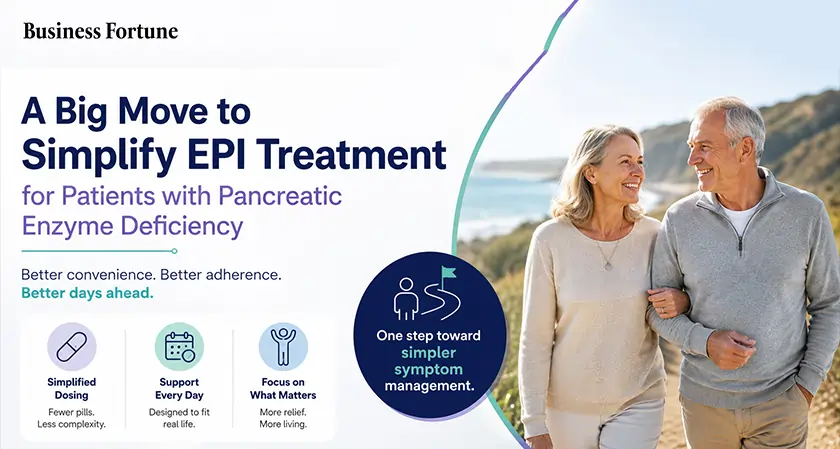
A $250 million investment backs a new therapy aiming to reduce daily pill burden for patients with pancreatic enzyme deficiency, improving treatment ease and quality of life.
A major transformation may be coming for people living with exocrine pancreatic insufficiency linked to cystic fibrosis. The new EPI treatment under development could dramatically reduce the number of daily pills patients need to take, from as many as 40 to just three.
A Major Investment for Treating Complex Condition
Blackstone Life Sciences has committed $250 million to Anagram Therapeutics, a clinical-stage biotech firm working on a new oral therapy called ANG003. The funding will support development, regulatory approval, and eventual launch of the drug.
ANG003 is designed for people with exocrine pancreatic insufficiency (EPI), a condition where the body cannot produce enough enzymes to digest food properly. This often affects patients with cystic fibrosis and leads to malnutrition, stomach issues, and poor nutrient absorption.
Why are patients still taking dozens of pills a day
Current treatment relies on pancreatic enzyme replacement therapies made from pig pancreas glands. While effective, they come with a heavy daily pill load and supply challenges.
Key issues with existing treatments:
-
Up to 40 pills required daily depending on meals
-
Derived from animal sources, mainly pigs
-
Global shortages have disrupted supply
-
Side effects can include abdominal pain and weight loss
The current U.S. market for these therapies is estimated at around $2 billion annually.
What makes ANG003 different
ANG003 is an oral recombinant enzyme therapy taken as just one tablet per meal. It includes:
-
Lipase for fat digestion
-
Protease for protein digestion
-
Amylase for carbohydrate digestion
Unlike existing treatments, it is engineered to remain stable and active in the digestive system. If approved, it would become the first non-porcine enzyme therapy in this category.
Where does the research stand today
Anagram Therapeutics is preparing to launch an international Phase 2 study to test ANG003 in patients with cystic fibrosis-related EPI. Earlier clinical data showed promising results, and the study will compare ANG003 with existing therapies like AbbVie’s Creon.
The drug has already received over $30 million in support from the Cystic Fibrosis Foundation, which has backed its early research and development.
Future outlook
Nicholas Galakatos, global head of Blackstone Life Sciences, said the goal is to transform how pancreatic insufficiency is treated across age groups, especially in cystic fibrosis patients. The investment also reflects growing interest in therapies that reduce treatment burden and improve quality of life.
If ANG003 succeeds in clinical trials and wins regulatory approval, it could significantly change standard care for EPI patients. As Business Fortune observes, the biggest impact would be fewer daily pills, more consistent treatment, and reduced dependence on animal-derived enzymes. For patients managing lifelong conditions like cystic fibrosis, that shift could be more than medical progress. It could mean everyday life becomes noticeably simpler and easier to manage.


.webp)