HLB Life Science leads Korea’s national project to develop pharmaceutical-grade CBD, aiming to advance treatments through domestic production and research innovation.
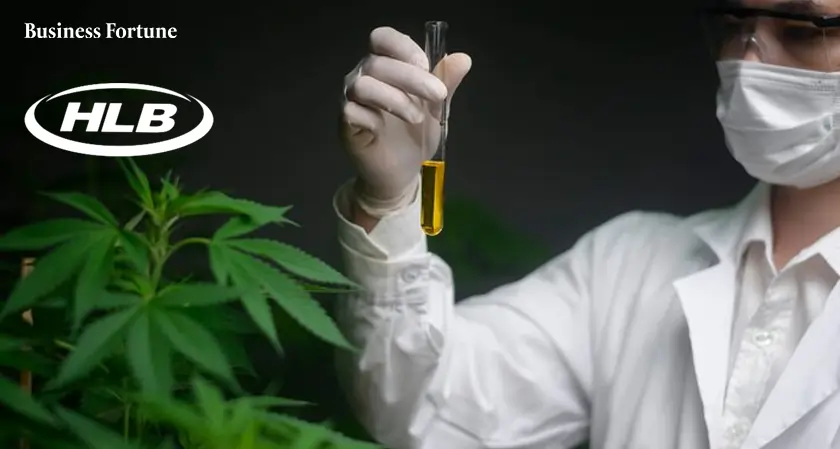
HLB Life Science announced today that it is in charge of a nationwide research initiative in Korea aimed at creating pharmaceutical-grade CBD drug. The drug development project intends to use the non-psychoactive cannabidiol (CBD) component of cannabis which can treat skin conditions, cancer, and inflammation. Because of its potential therapeutic uses, CBD has received a lot of pharmaceutical development and regulatory interest.
Additionally, the Ministry of Agriculture, Food, and Rural Affairs has chosen HLB Life Science R&D as a collaborative research organization for its agrobioresource-based national essential drug ingredient supply chain response technology development project. To complete the project, the association includes Dongguk University, Gyeongbuk Institute for Bio-Industry, APAC, and others.
Chief Executive Kim Yeon-tae of HLB Life Science R&D stated that high-purity cannabidiol active medicinal ingredients will be localized through collaboration with consortium members. The R&D division of the HLB Group, HLB Life Science R&D is dedicated to creating anticancer medications. Although the company is reorganizing and has lately had FDA rejection delays for its liver cancer medication, its R&D activities are focused on strengthening anticancer medicine portfolios through collaborations.
Previously, homegrown cannabis types had minimal cannabidiol concentration and were unsuitable for medical use. The overall project budget is 5.7 billion won as the project aims to improve cannabis cultivation technology to provide a consistent supply of cannabidiol and to create a platform for producing active medicinal components.
This Drug development project represents Korea's institutional dedication to the creation of cannabis pharmaceuticals, going beyond legal restriction to actively fund research. Establishing domestic CBD production capabilities and research infrastructure for pharmaceutical uses is the project's goal. Instead of using the medical cannabis access strategy found in other jurisdictions, Korea takes the pharmaceutical development track.
As Korea shifts from restriction to research-driven innovation, this initiative signals a significant step toward building a cannabinoid pharmaceutical ecosystem. Business Fortune notes that, by focusing on domestic production and high-quality drug development, Korea is laying the foundation for future breakthroughs in cancer and therapeutic care.
About the Author
Sowmiya Sri Mani is a writer for Business Fortune, covering AI, Robotics, Software, Entrepreneurship, and Opinion. She delivers clear and engaging insights on emerging trends and industrial developments, helping readers understand the evolving landscape of technology and innovation.


.webp)