- Mahadharani Vijay
OPEC+ lifted oil production quotas as conflict-driven attacks on infrastructure and shipping routes deepened concerns over global energy supplies.
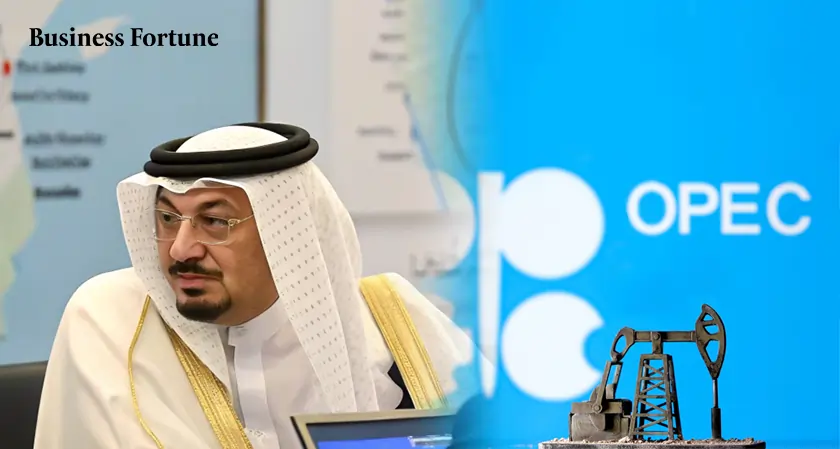
OPEC+ agreed on Sunday to raise oil production quotas for the second month in a row, even as the alliance warned that ongoing attacks on energy infrastructure and disruptions to maritime trade routes could pose longstanding risks to global energy markets and financial stability.
The production group authorized two hundred six thousand barrels per day (bpd) increase starting in May, according to AFP. Important players, including Saudi Arabia, Russia and a few Gulf producers, supported the move. OPEC+ expressed rising concern about the wider effects of regional violence on oil flows and worldwide trade, regardless of the increase in supplies. The group cautioned in its statement that fixing damaged energy infrastructure is expensive and time consuming and that doing so could prolong supply disruptions and increase volatility in the world's commodity markets.
The cooperation also emphasized the value of securing international sea channels to ensure the continuous flow of energy supplies. The warning coincides with the ongoing disruption of maritime processes caused by tensions in the Middle East, especially around the Strait of Hormuz, a crucial route for the world's shipments of oil and liquefied natural gas. Nearly 20 percent of the world's oil and LNG commerce went through the Strait prior to the latest increase. The disruption has prompted concerns about the efficacy of increasing output quotas in translating into actual supply that reaches international consumers.
Because protracted disruptions in energy trade might increase vulnerability to risks of illegal financing, sanctions evasion and opaque cross border transactions, the problem has also caught the attention of compliance and financial monitoring circles. Maintaining transparency in international commodity transfers is a major priority in anti-money laundering oversight and it often becomes more difficult due to such uncertainty. Supply dynamics are further complicated by continuous attacks on Russian oil infrastructure connected to the conflict in Ukraine, according to OPEC+. The association cautioned that supply security threats are still high but noted that members who have found alternate export routes have helped reduce some market pressure.
Thus, Business Fortune is of the view that rising geopolitical tensions may continue to outweigh OPEC+ supply gains.
About the Author
Mahadharani Vijay is a writer at Business Fortune magazine, covering Lifestyle, Electric and Concept Cars, Science and Technology, and Markets. She specializes in turning emerging trends, innovations, and complex developments into clear, engaging, and accessible stories for both professionals and a wider audience.


.webp)