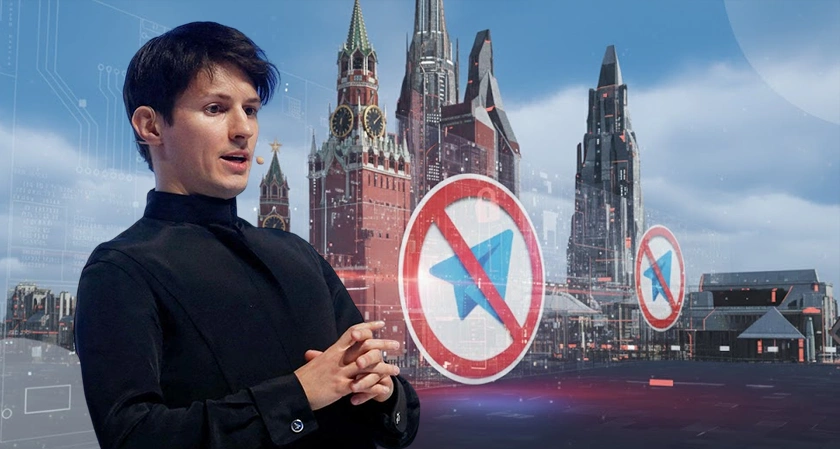
Moscow opens terrorism-related case against Durov, escalating pressure on Telegram amid widening crackdown on digital platforms and online speech.
Pavel Durov, founder of the app Telegram, faces intense pressure from Russia, where he is being investigated for possible charges related to terrorism, as well as for helping an increased effort by the Russian government to impose stricter legal regulations on digital communication.
Russian media, citing the Federal Security Service (FSB), stated that Durov has had an objection filed against him under 205.1 of the Russian Criminal Code, which deals with providing financial support to radicals. Also, they alleged that Telegram was linked with numerous crimes connected to violent extremist and other kinds of acts of terrorism since it has been used to perform terrorism-related acts of different kinds for over a year.
The FSB is also accusing Durov of violating safety concerns by not removing from Telegram incidents of radicalism and various other forms of crime. Durov lives outside of Russia as a dual citizen and reacted in a very vigorous way to the investigation on his channel, believing that the investigation serves as a political tool to restrict the ability of people to access Telegram in Russia and to limit free expression and digital privacy. He claimed that the government is attempting to coerce Russians into using a state owned app intended for spying and those specialists are coming up with new excuses every day to restrict Russians' access to Telegram.
Moscow's attempts to regulate internet providers have escalated further as a result. With tens of millions of users in Russia and over a billion users worldwide, Telegram has seen service slowing and partial restrictions in recent months as the government supports MAX, a Russian competitor. WhatsApp and other messaging apps have already been limited or are under restrictions.
Kremlin officials defend the probe as a necessary response to what they portray as a security threat and point to Telegram’s lack of cooperation with Russian law enforcement. Durov’s critics within Russia claim the founder’s resistance to censorship has made the platform a haven for criminal and extremist activity.


.webp)