The Cambodian senator plans a farm-to-refinery network to reduce imports, support farmers, and strengthen Cambodia’s domestic agricultural supply chain.
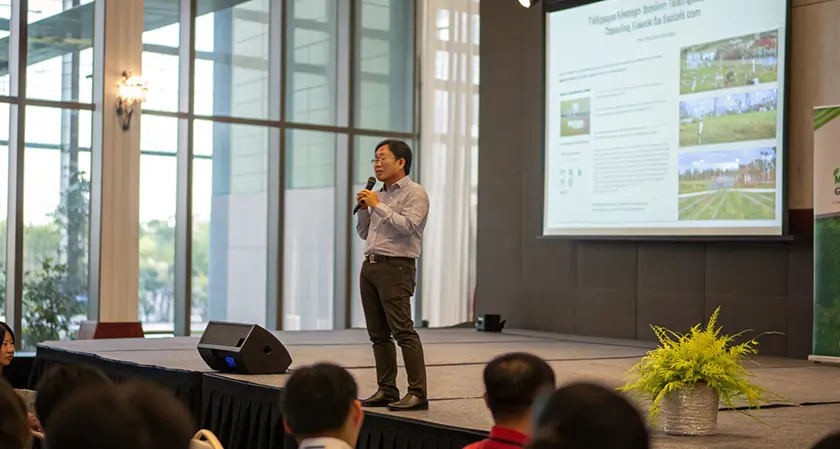
Mong Reththy, a prominent agribusiness entrepreneur and senator in Cambodia, has announced an ambitious vision to bring the country’s agricultural sector into a more sustainable and integrated system. He shared details of his “one for all” approach during a visit to his agro-industrial zone in Prey Nob District, Preah Sihanouk Province.
Reththy’s plan aims to connect animal feed production, animal husbandry, egg production, large-scale oil palm cultivation, and the refining of palm oil into cooking oil. The model is designed as a fully integrated network in which each process supports the others. According to him, this approach would reduce imports, strengthen the domestic supply chain, and generate employment in rural communities.
A key component of the strategy is a feed mill that processes cassava and corn. Reththy said the facility will help prevent the export of low-value raw agricultural products while cutting reliance on costly imported animal feed. This, he noted, would allow more capital to remain within Cambodia. The mill currently produces about 220,000 tons per year, with output expected to rise to 350,000 tons upon completion. His company reportedly spends around $40 million annually purchasing cassava and maize from local farmers, offering them more stable prices than intermediaries.
The availability of locally produced feed has supported a rise in livestock numbers. Cambodia is now producing enough pigs to meet domestic demand, reducing the need for daily imports. Egg and poultry production is expanding rapidly, alongside growth in fish and duck farming.
Oil palm cultivation forms a central pillar of Reththy’s long-term financial vision. Plantation areas have expanded from fewer than 500 hectares in 1995 to roughly 16,000–17,000 hectares today. While most crude palm oil is exported to India, he plans to establish a domestic cooking oil refinery. To ensure sufficient supply, plantation expansion to at least 30,000 hectares will be required.


.webp)