- Mahadharani Vijay
Rising costs, labour shortages, and shipping delays are putting India’s farm output and perishable exports under growing pressure.
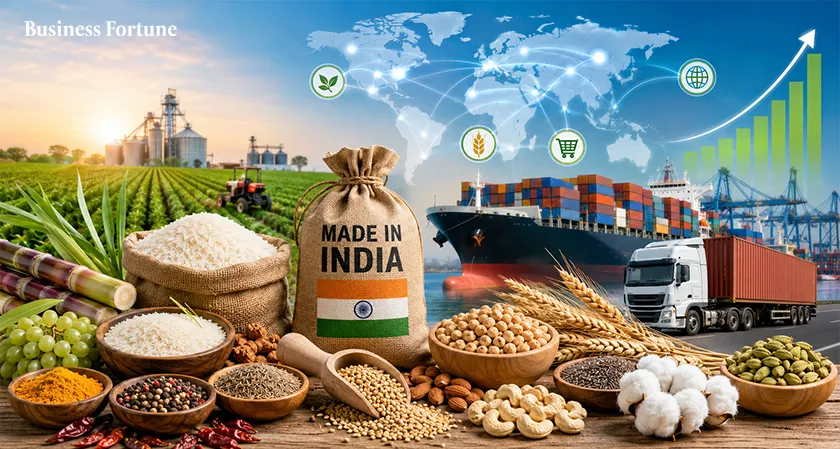
India’s agriculture sector is facing growing pressure as the ongoing violence in West Asia disrupts both pre harvest operations and post-harvest trade. The Indian farm economy is being under pressure by rising input costs, labor shortages, and shipment delays, raising concerns over agricultural output and exports. Although a two-week ceasefire was announced on Tuesday, uncertainty continues to affect trade and logistics. Experts say it could take several months before conditions stabilize and normal shipping operations resume.
Rahul Chauhan, Director of iGrain India, said the growing shipping backlog remains the immediate concern for exporters and traders. According to him, commercial and logistical conditions are unlikely to improve overnight despite the ceasefire announcement. He noted that full normalization of trade movement may take at least six months.
India’s food grain reserves, however, remain comfortable. Government data shows that the Food Corporation of India currently holds 60.7 million tonnes of wheat and rice, significantly above the April 1 buffer norm of 21 million tonnes. While this offers protection for staple crops, experts warn that perishable produce remains highly vulnerable.
The West Asia conflict is having its strongest impact on fruits and vegetables, where shipment delays are increasing the risk of spoilage. Gulf countries account for nearly 80% of Maharashtra’s grape and banana exports, making the region especially exposed to trade disruptions.
According to Azhaan Merchant of Bharat Intelligence, the closure of operations at Jebel Ali port on February 28 left around 800 to 1,000 containers stranded, carrying bananas, grapes, pomegranates, watermelons, onions, and other vegetables.
The timing of the disruption has worsened the crisis, as it coincided with peak Ramadan demand. Merchant said more than 16,000 tonnes of grape exports from Maharashtra alone have been affected, with thousands of tonnes already at risk of spoilage. Experts say perishables are facing the sharpest post-harvest losses, as they cannot withstand long delays like food grains.
Thus, Business Fortune believes the West Asia conflict could continue to strain India’s farm trade and perishable exports.
About The Author
Mahadharani Vijay is a writer specializing in digital marketing, electric and concept cars, gadgets, and media and entertainment. She focuses on turning emerging trends and innovations into clear, engaging, and accessible stories for both professionals and wider audiences.


.webp)