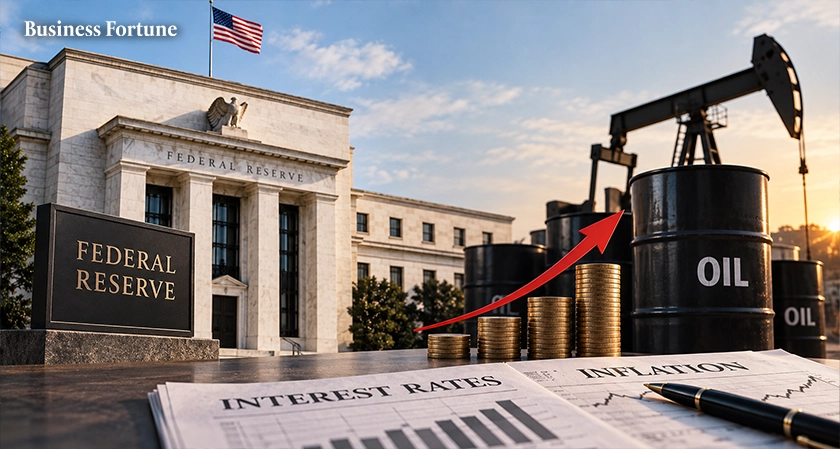
Federal Reserve interest rates rise as inflation stays high, but the next decision could be even more important for markets and borrowers.
The Federal Reserve interest rates have increased for the first time in more than three years. The Federal Reserve increased its key interest rate by 0.25% on Wednesday, setting the target range at 3.75% and 4%.
While the action was widely anticipated, it does signify a significant shift in policy from when the Fed kept rates unchanged for most of the year. This is primarily because inflation is still considered too high and there is pressure being placed on the economy by rising oil prices.
The Fed is no longer sitting on the sidelines
The vote to raise interest rates by the Federal Open Market Committee was unanimous, being 12-0. According to the Fed, the growth of the economy is still progressing moderately and the labor market remains quite solid but, on the other hand, the level of inflation hasn’t dropped sufficiently. The goal of the central bank is to bring the inflation to 2 percent and to have the rate hikes contribute to this.
“Overall, inflation has been too high for too long,” Fed Chairman Kevin Warsh said, indicating the persistent pressures that have continued to influence the decision-making of the central bank regarding the rate hikes. For ordinary Americans, the decision could eventually mean more expensive borrowing. Mortgage rates, car loans, credit cards and business loans can all feel the impact when interest rates move higher.
Could another rate hike be coming?
The Fed’s latest projections suggest another rate increase could happen before the end of 2026. However, the officials are not completely aligned with regard to future actions. According to the projections, the federal funds rate will be at 4.1% by the end of 2026. This is not indicative of an increase, yet it implies that the inflation problem remains relevant to the policymakers.
According to the projections, the inflation rates will remain high for quite a while. In particular, the headline PCE inflation will be 3.7% in 2026, whereas core PCE inflation will be 3.4%. This implies that the Fed will continue to balance between various factors. It wants to bring prices under control without putting too much pressure on jobs and economic growth.
Why are markets watching the next move so closely?
The next few months could be important for investors, businesses and households. As Business Fortune observes markets will be watching inflation, employment, consumer spending and energy prices for clues about what the Fed might do next.
Higher rates can make borrowing more expensive, but they can also help slow inflation. That makes the Fed’s next decisions especially important for the wider economy. The future will depend largely on whether inflation finally starts moving closer to 2% without causing a major slowdown in the U.S. economy.


.webp)



























Comments