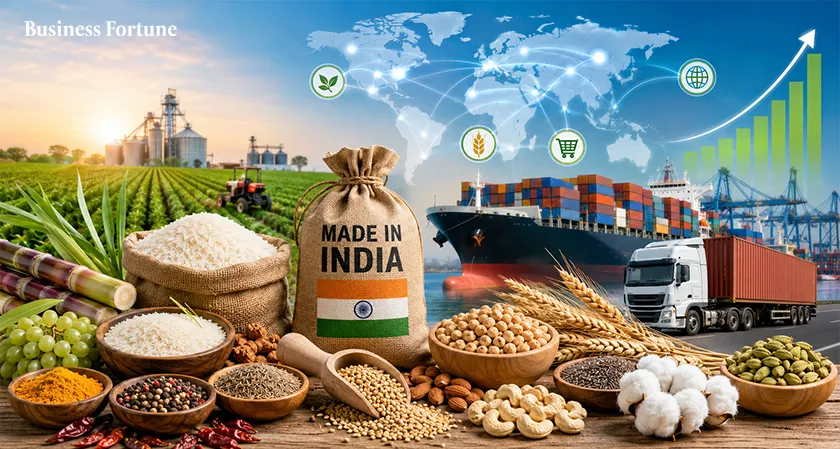
India’s agricultural export sector is expanding through rising global demand, value-added products, improved logistics, compliance, and emerging international markets.
If you are looking at India’s agricultural export sector in 2026, the opportunity is no longer limited to simply shipping large quantities of farm produce overseas. The larger question is where demand is increasing, which products provide greater value and how Indian enterprises may leverage the country's broad agricultural base into long-term export potential. From rice and spices to seafood, processed goods and specialized vegetables, India has a diverse product portfolio that has a solid reputation in foreign markets.
So, what makes Top Agricultural Export Opportunities 2026 of watching? The answer is a mix of high global food demand, increasing markets, improved transportation and a growing desire for processed and luxury products. International buyers are likewise growing more discerning, prioritizing quality, food safety, traceability and dependable supply.
For businesses, this creates an interesting shift. Competing purely on volume and price is becoming less important, while specialization and value addition are gaining ground. Exporters that understand what individual markets want and can consistently meet their requirements may find significant room to grow.
Here are the key agricultural export opportunities that could shape India’s position in international food markets in 2026 and beyond.
India’s Agricultural Export Growth Gains Global Momentum
India’s agricultural exports 2026 have reached a major milestone, with agricultural and allied exports estimated at around $53.24 billion to $54.70 billion in FY 2025-26. The performance highlights resilient global demand for Indian farm and food products, despite changing tariff policies and evolving international compliance requirements. Rice, marine products, spices and buffalo meat remain among the country’s leading export commodities, while processed food shipments have gained momentum.
Rice: Rice continues to dominate India’s agricultural export basket, supported by strong international demand for both Basmati and non-Basmati varieties.
Marine & Seafood: Marine products remain a major contributor, with seafood exports crossing $8.4 billion as demand from international markets continues to support the sector.
Spices & Processed Foods: Spices remain an important traditional export, while profitable processed foods are expanding their share and now account for more than 20% of the export basket.
Destination Markets: The UAE, Saudi Arabia, the US and Southeast Asia remain important markets for Indian agricultural products for export. However, exporters are adapting to changing tariffs, trade policies and compliance standards across global markets.
New Markets Are Reshaping India’s Agri-Export Potential
The agricultural export industry in India has progressed from traditional bulk commodities since the international market demands dependable suppliers, diverse products and more valuable goods. Consequently, this trend has led to new prospects for farmers, processors, traders and businesses in agricultural export opportunities. India’s strong production capacity, diversity of climate and better logistics contribute to its strong position in the global food supply chain.
Emerging Markets: Growing demand across Africa, the Middle East, Southeast Asia and other regions is giving Indian exporters more destinations to explore beyond established markets.
Product Diversification: Export opportunities are expanding from rice, spices and seafood to processed foods, specialty crops, organic products and packaged food products.
Buyer Preferences: Global buyers increasingly value consistent quality, food safety, traceability and dependable delivery alongside competitive pricing.
Market-Specific Strategies: Exporters can improve their prospects by adapting products, packaging and certifications to the requirements of individual countries.
Business Potential: The combination of production strength and expanding global demand is creating new opportunities for farmers, processors and export-oriented businesses.
Value Addition Is Changing the Export Business
India has a vast supply of agricultural commodities, but the bigger opportunity increasingly lies in converting raw produce into valuable products. This shift is helping businesses improve margins while reducing their dependence on fluctuating bulk product prices.
Processed Spices: Whole spices can be converted into powders, blends, oleoresins and essential oils, allowing exporters to serve more specialized international buyers.
Fruit Processing: Mangoes, grapes and other fruits can be transformed into pulp, concentrates, juices and other products that extend their commercial reach.
Ready-to-Eat Foods: Packaged meals, sauces, snacks and traditional Indian foods can meet growing international demand for convenient ethnic cuisine.
Higher Export Value: Value-added products can generate greater returns per unit compared with many raw commodities.
Brand Development: Strong packaging, consistent quality and recognizable Indian food brands can help exporters differentiate themselves in competitive markets.
Food Products Can Open Doors to Diverse Markets
India’s broad food production base is creating major food export opportunities across established and emerging markets. Rice, spices, seafood, fruits, vegetables, pulses, tea, coffee, cashews and processed foods each serve different consumer groups worldwide.
Rice Demand: Basmati and non-Basmati rice continue to have strong demand across the Middle East, Africa and parts of Asia.
Seafood Markets: Frozen shrimp and other seafood products connect Indian exporters with major buyers in the US, Europe, Japan and Southeast Asia.
Fresh Produce: Mangoes, grapes, pomegranates, onions and other horticultural products are gaining opportunities as logistics and cold-chain systems improve.
Ethnic Foods: Indian sauces, snacks, ready-to-eat meals and packaged foods can benefit from demand among diaspora communities and wider consumer groups.
Market Expansion: Understanding local consumption patterns, pricing and regulatory requirements can help exporters select the right products for each destination.
Infrastructure Is Making Perishable Exports More Practical
Improving logistics infrastructure is expanding the range of products India can competitively ship overseas. Cold storage, refrigerated transportation, specialized containers and better port facilities are particularly important for products that require controlled temperatures and careful handling.
Cold Chains: Improved temperature-controlled systems are helping maintain the quality of seafood, fruits, vegetables and frozen foods during transportation.
Refrigerated Transport: Greater availability of reefer containers and refrigerated vehicles is making long-distance shipments more practical.
Port Facilities: Better handling and processing infrastructure at ports can reduce delays and protect the quality of perishable shipments.
Third-Party Logistics: Smaller exporters can work with experienced logistics providers instead of investing heavily in their own transportation infrastructure.
Export Reach: Better supply chains are allowing Indian businesses to consider markets that were previously difficult to serve because of transportation limitations.
Compliance and Traceability Are Becoming Competitive Advantages
International buyers are placing greater emphasis on food safety, product traceability and responsible sourcing. For Indian exporters, meeting these requirements is becoming an important part of building credibility and accessing premium markets.
Food Safety: Meeting destination-country food safety standards can help exporters avoid shipment problems and strengthen buyer confidence.
Traceability: Farm-to-port tracking provides greater transparency about where products originate and how they move through the supply chain.
Certifications: Appropriate certifications can help Indian companies meet the requirements of demanding markets and attract quality-based customer.
Documentation: Accurate export documentation, testing reports and product information can reduce delays during international shipments.
Buyer Confidence: Consistent compliance can turn regulatory requirements into a competitive advantage and support long-term commercial relationships.
Small and Mid-Sized Businesses Have Room to Grow
The expansion of agribusiness opportunities means India’s agricultural export growth is not limited to large corporations. Smaller businesses can compete by focusing on particular products, regional foods, organic offerings, processed ingredients and distinctive packaged products.
Niche Products: Specialty spices, regional foods and premium agricultural products can help smaller exporters compete through differentiation rather than volume.
Organic Products: Growing consumer interest in natural and responsibly sourced foods can create opportunities for businesses with suitable certification and supply chains.
Processed Foods: Small and med-sized businesses can develop packaged snacks, sauces, spice blends and ready-to-eat products for targeted overseas markets.
Direct Buyers: Trade exhibitions, B2B platforms and digital marketing can help smaller exporters connect with international importers and distributors.
Long-Term Growth: Businesses that maintain consistent quality, reliable communication and strong compliance can gradually develop repeat global customers.
India’s agricultural export sector is therefore evolving from a largely commodity-focused model toward one focused on expansion, processing, quality and market specialization. As demand changes and infrastructure improves, exporters that understand international buyers and invest in value addition can find major opportunities across the international food market.
India’s Agri-Export Future: From Farm Produce to Global Food Powerhouse
India's agricultural export market is growing, with the rise of production opportunities, increasing foreign demand and progress in logistics and processing infrastructure. Global agricultural trade presents Indian exporters with the chance to move beyond bulk shipments and consolidate their positions in profitable food markets. Demand for rice, fish, spices, fruits, vegetables and processed foods does not change, but increasing the need for specialty and convenience products can help to broaden the palette of the country's export portfolio. Identifying the best agricultural exports will therefore depend on matching India’s production strengths with changing international demand and market requirements.
The degree of success in the agribusiness sector will depend on how quickly agents react to changing buyer requirements. Quality consistency, safety, traceability and sustainable sourcing become crucial in the context of international trade. Moreover, investments in processing and packaging will help Indian businesses take advantage of the agricultural production instead of relying on raw materials.
Domestic companies will have to do more than just define products with a large demand to do well in this area. In addition to that, they should evaluate market conditions, production capacity, certification requirements, logistics and value-adds. Those companies that combine all of these attributes with efficient contacts with buyers can develop viable export schemes.
FAQs
What are the top agricultural export opportunities for India in 2026?
India’s strongest opportunities include rice, seafood, spices, processed foods, fruits, vegetables, organic products, specialty crops and packaged foods.
Which Indian agricultural products have the highest export potential?
Rice, marine products, spices, fruits, vegetables and processed foods have strong export potential due to established global demand and India’s production capabilities.
Why are processed agricultural products becoming more important?
Processed products such as spice blends, fruit concentrates, ready-to-eat meals and packaged foods offer greater value addition and can deliver better margins than raw commodities.
Which international markets are important for Indian agricultural exports?
The UAE, Saudi Arabia, the US, Southeast Asia and parts of Africa remain important markets, while emerging destinations are creating additional opportunities for Indian exporters.
What factors should businesses consider before exporting agricultural products?
Businesses should evaluate market demand, food safety standards, certifications, traceability, packaging, logistics, tariffs and local regulations before entering a foreign market.


.webp)
































Comments