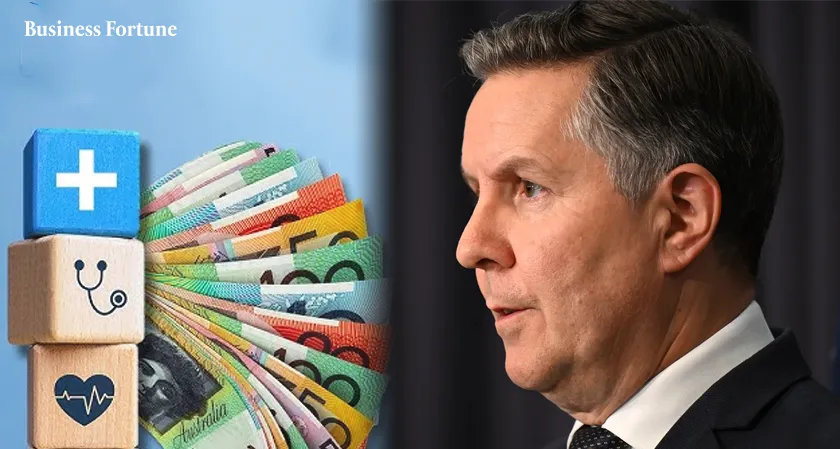
Australia’s proposed health insurance rebate changes could raise premiums for older Australians, potentially affecting coverage decisions and increasing pressure on public healthcare.
The proposed reduction in the health insurance rebate in Australia aimed at older people is generating anxiety over the likelihood of increased premiums leading to downgrading and cancellation of health coverage by some retired people, thus straining the public healthcare system. The bill presented in June envisages the phasing out of the age-discounted rebate of those aged 65 years and above from 1 April 2027. The rebate would instead be determined by income, bringing older policyholders into line with younger Australians.
Older Australians Face Higher Insurance Costs
Currently, eligible Australians aged 65 to 69 can receive a maximum rebate of about 28%, while those aged 70 and over can receive around 32%. Both groups would move to the 24% rate applying to younger policyholders within the same income tier.
The government expects the change to save A$3 billion over four years, with the funds redirected to aged care. About 3.2 million Australians aged 65 and over are expected to be affected, with average additional premiums estimated at approximately A$250 annually.
Key points:
-
Rebate changes are scheduled from April 2027.
-
Around 3.2 million older Australians may be affected.
-
Government expects A$3 billion in four-year savings.
-
Average additional premiums could reach A$250 annually.
-
Industry warns some premiums could rise substantially.
For retirees living on fixed financial incomes, however, even moderate increases could influence healthcare decisions. Private Healthcare Australia says more than three million older policyholders, including over 400,000 pensioners, could be affected.
Insurers Warn of Bigger Impact
The insurance industry argues that the rebate reduction could become more costly when combined with annual premium increases. It estimates Australians aged 70 and over with Gold hospital cover could face premium increases of around 21% from April 2027. For an individual, that could mean approximately A$807 more each year, while couples could face an additional A$1,614.
The Australian Medical Association and National Seniors Australia have similarly warned that higher costs could encourage older Australians to reduce their coverage or leave private health insurance altogether. Such a shift could place additional demand on public hospitals.
The government estimates that approximately 44,000 fewer people aged 65 and over will hold private health insurance by 2028-29 compared with maintaining the current rebate structure. It argues that the impact on participation will remain limited while creating a simpler income-based system.
The proposed health insurance rebate changes are now under parliamentary scrutiny. The legal has been referred to the Senate Community Affairs Legislation Committee, which is expected to report by 7 October 2026.
Business Fortune believes that the proposed rebate changes will need to balance government savings with the affordability of private healthcare for older Australians.
FAQs
What is the proposed health insurance rebate change in Australia?
The government plans to remove the higher age-based rebate for Australians aged 65 and over and base rebates on income instead.
When will the new health insurance rebate rules begin?
If the legislation passes, the proposed changes will take effect from 1 April 2027.
How many older Australians could be affected?
Around 3.2 million Australians aged 65 and over are expected to be affected by the changes.
How much could private health insurance premiums increase?
The government estimates an average additional cost of about A$250 a year, while some policies could see significantly higher increases.
Could the changes put pressure on public hospitals?
Industry groups warn that some older Australians may downgrade or cancel private cover, potentially increasing demand for public healthcare services.


.webp)






























Comments