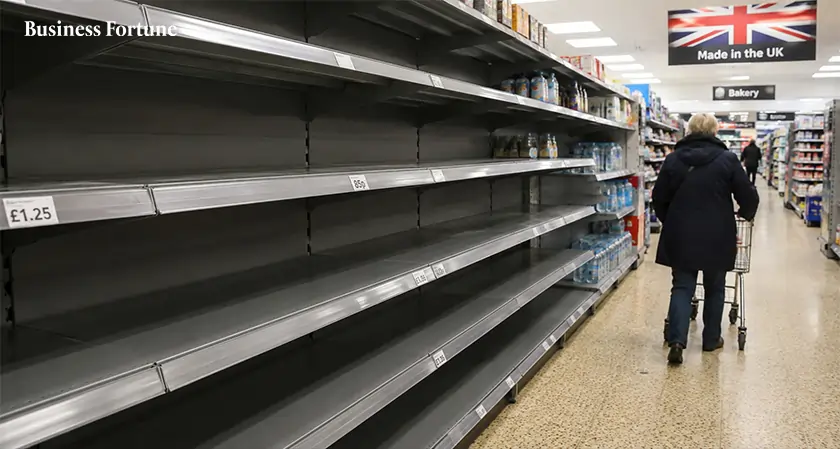
Middle East tensions disrupt UK supply chains, causing retail shortages as AI-powered planning helps businesses improve inventory management and resilience.
Global supply chain pressures linked to Middle East tensions are creating visible UK shelf gaps, with shoppers reporting more frequent product shortages across grocery and fashion retail. A new survey by invent ai, an AI-native retail planning and inventory decisioning platform, reveals that supply disruptions are affecting product availability, changing consumer behaviour and increasing pressure on retailers to improve inventory management.
Shoppers Report Rising Product Shortages
The survey of more than 1,000 UK consumers found that 54 per cent believe shelf availability has worsened since Middle East tensions escalated in February. Nearly three in ten shoppers experienced empty shelves in fashion stores, while 23 per cent reported online clothing stockouts.
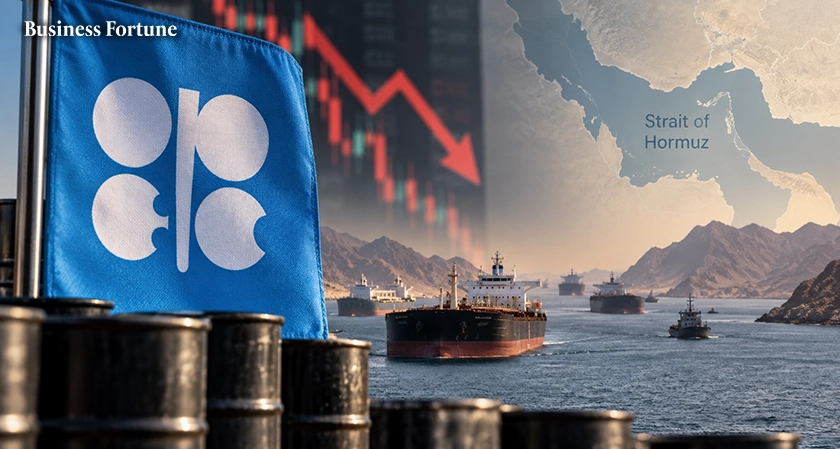
The findings highlight how Middle East trade disruption continues to affect global shipping routes and retail supply chains. Around £92 billion worth of shipping assets have reportedly faced delays, increasing uncertainty for businesses managing inventory flows.
Key findings from the research include:
-
54% noticed declining shelf availability across retailers
-
69% linked shortages to supply chain disruption
-
73% expect grocery stockouts to continue rising
-
77% demand essential goods remain consistently available
-
41% would switch retailers during product shortages
Supply Challenges Influence Consumer Decisions
Retailers are facing growing challenges as customers become less tolerant of unavailable products. The research showed that 27 per cent of shoppers may reconsider supermarket loyalty because of repeated shortages, rising significantly among younger consumers.
Fashion brands are also experiencing similar concerns, with 30 per cent of respondents saying stockouts could reduce brand loyalty. Around 42 per cent said they would explore online marketplaces, while 45 per cent would search resale platforms for unavailable items.
Additional factors affecting product availability include sanctions, trade restrictions and climate-related disruptions. The survey found that 62 per cent of shoppers viewed trade limitations as a contributor, while 49 per cent identified climate change as another supply chain pressure.
Retailers Focus on Smarter Inventory Planning
The research suggests retailers need stronger supply chain visibility and more flexible inventory strategies to handle ongoing uncertainty. Consumers expect businesses to maintain access to everyday products and provide suitable alternatives when preferred items are unavailable.
Lukas Fischer, sales director at invent ai, said shoppers understand wider supply challenges but still expect products to be available through their preferred channels. He added that retailers must move beyond reactive approaches and build greater agility into planning processes.
The survey underlines the importance of AI-powered retail planning solutions as companies attempt to improve forecasting, reduce stockouts and maintain customer relationships during periods of disruption.
Therefore, Business Fortune believes that in order to manage disruptions and safeguard customer trust, retailers need to adopt agile planning.
FAQs
Why are UK shoppers experiencing more product shortages?
UK shoppers are facing more shortages due to global supply chain disruptions, shipping delays, and ongoing Middle East tensions affecting product movement.
How is Middle East trade disruption impacting UK retail supply chains?
Middle East trade disruption is causing delays in major shipping routes, increasing supply uncertainty and affecting product availability across retail sectors.
Which retail categories are most affected by UK shelf gaps?
Grocery and fashion categories are among the most affected, with shoppers reporting empty shelves and online stock shortages.
How are product shortages changing consumer shopping behaviour?
Many consumers are switching retailers, brands, and shopping channels when their preferred products are unavailable.
What steps can retailers take to prevent stock shortages?
Retailers can strengthen inventory forecasting, improve supply chain visibility, and use advanced planning tools to maintain product availability.


.webp)



























Comments