Every industrial company moves material.
Some excavate it. Some transport it. Others refine it, manufacture it, or sell it into finished markets. Traditionally, each business has generated value from a single stage of that process.
Increasingly, however, the competitive question is changing. It's no longer simply how much material a company can process—it's how much value that company can create from every ton that enters its system.
Rather than focusing solely on how much material they process, they are looking for ways to create more value from every ton that moves through their operations. Instead of treating each business activity as a standalone source of revenue, they are designing integrated operating models where one capability feeds the next, allowing the same underlying material to support multiple economic opportunities.
That philosophy is becoming more common across advanced manufacturing, logistics, recycling, and industrial processing. One way to describe this approach is "value stacking"—capturing economic value at multiple points along the same operational chain rather than from a single transaction.
Businesses built around this approach often seek to reinforce one operation with another, improving efficiency while expanding the number of ways they can generate value from the same underlying assets.
At its core, the idea is simple.
A traditional contractor might clear vegetation from a development site, haul the material away, and move on to the next project. The revenue opportunity ends when the work is complete.
An integrated operating model can approach that same material very differently.
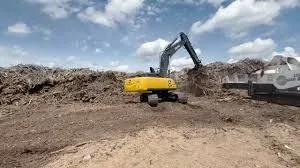
Instead of viewing biomass as waste requiring disposal, it becomes feedstock for additional products. Transportation becomes an internal capability rather than an outside expense. Processing becomes an opportunity to increase the value of recovered material. Manufacturing creates access to higher-value end markets. Each step builds upon the one before it, allowing the same ton of material to contribute to multiple parts of the business rather than just one.
Recent developments at RenX Enterprises (NASDAQ: RENX) provide an interesting example of how that philosophy may work in practice.
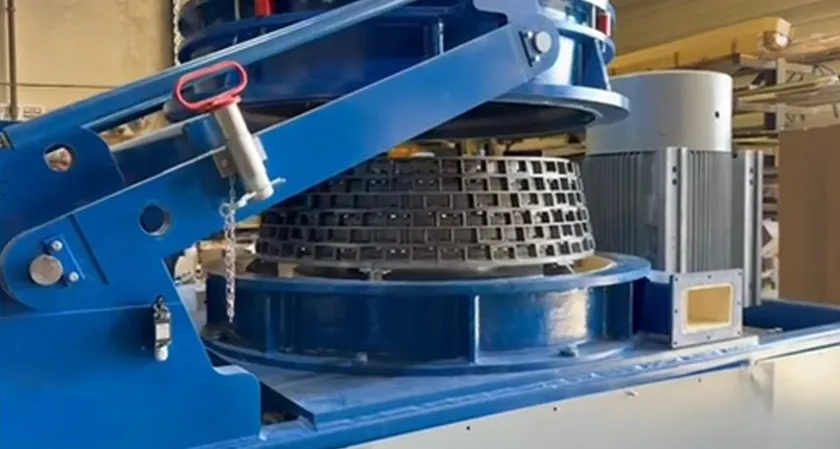
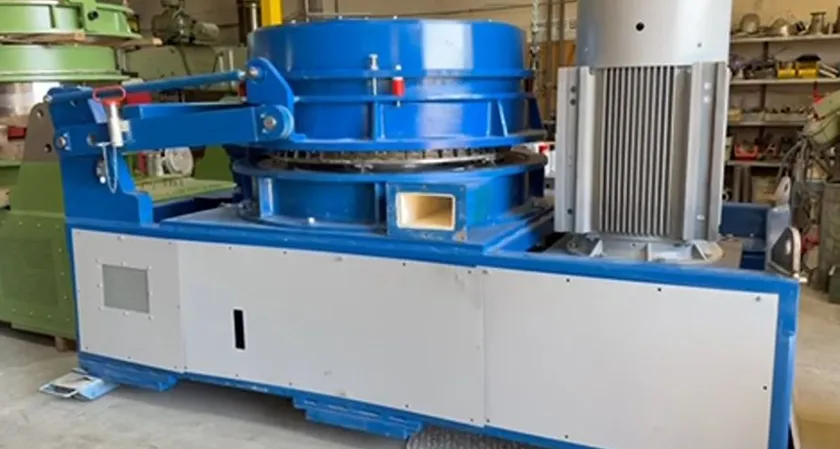
The company's recently announced land-clearing division is notable not simply because it represents another service offering, but because of how it fits into RenX's broader business ecosystem. According to the company, the new division is designed to generate revenue by clearing vegetation and woody debris from development sites while simultaneously recovering organic material that can be transported to its Myakka City processing facility for additional refinement. From there, those materials may ultimately be processed into mulch, compost and, following the planned deployment and commercialization of the company's licensed Microtec UTM 1200 system, engineered growing media and other specialty agricultural products.
Viewed individually, each of those activities represents a separate business.
Viewed together, they represent something different.
A single land-clearing project has the potential to generate service revenue while also supplying raw material that supports downstream manufacturing. Internal logistics can move that material through the company's own transportation network. Processing operations can increase its value. Advanced milling technology is intended to convert portions of that feedstock into engineered products designed for higher-value agricultural markets. Rather than operating independently, each capability is intended to strengthen the economics of the next.
Building an integrated business requires leadership capable of connecting those operations. Earlier this month, RenX appointed Resource Group founder James Burnham as Director of Growth and M&A, transitioning him from the company's Board of Directors into a full-time operating role. According to the company, Burnham will focus on acquisitions, project development, and commercial expansion across its biomass recycling and logistics businesses while supporting the continued buildout of RenX's engineered soils and growing media initiatives. The appointment suggests management is investing not only in equipment and infrastructure, but also in leadership intended to identify opportunities where additional assets, capabilities, and strategic relationships can strengthen the company's operating model over time.
That distinction reflects a broader shift occurring across industrial businesses.
For years, companies measured growth primarily by production volume or market share. Increasingly, however, investors are also evaluating how efficiently businesses convert raw materials into higher-value products, how much of the value chain they control, and whether additional capabilities improve the economics of assets already in place. Companies that can capture value across multiple stages of production may be positioned to generate stronger operating leverage than businesses participating in only one segment of the process.
RenX has increasingly described its strategy in similar terms. Rather than positioning the company as a collection of unrelated businesses, management has emphasized integrating environmental processing, logistics, advanced manufacturing, engineered agricultural inputs, and financial discipline into a unified operating strategy designed to create multiple sources of long-term value.
The recent land-clearing announcement appears consistent with that approach.
In addition to creating another potential revenue source, management noted that land-clearing activity generally follows construction and development cycles rather than agricultural planting seasons. If the business develops as planned, that timing could complement the company's existing operations by introducing a source of activity influenced by different market dynamics than traditional agricultural demand. At the same time, the recovered biomass may contribute feedstock for downstream processing, further connecting one part of the value chain to the next.
That may ultimately be the more interesting investment story.
Many companies diversify by adding products. Integrated businesses seek to create greater value by connecting operations so that one activity naturally creates opportunities for the next. Success depends not simply on expanding into new business lines, but on improving the economics of every capability already within the organization.
RenX's strategy reflects a broader shift occurring across industrial businesses. As companies continue looking for ways to improve margins, strengthen supply chains, and create higher-value products, integrated operating models are attracting increased attention.
By connecting environmental processing, logistics, advanced manufacturing, and engineered agricultural products into a single value chain, RenX is pursuing an approach designed to create more value from every ton it processes. As investors increasingly evaluate not only what companies produce, but how efficiently they create value, strategies built around integrated operating models may become an increasingly important point of differentiation.


.webp)



























Comments