- Sowmiya Sri Mani
Mayo Clinic researchers develop nanotherapy that crosses the blood-brain barrier to deliver dual drugs directly to glioblastoma tumors, targeting brain cancer treatment.
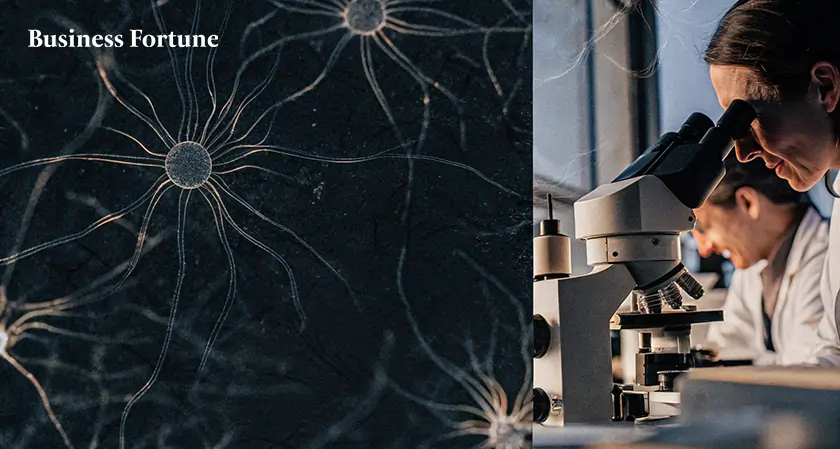
Researchers at the Mayo Clinic have established a new nanotherapy that can break the strong blood-brain barrier and deliver a dual-drug attack directly to tumor cells, potentially revolutionizing the treatment of glioblastoma, one of the deadliest types of brain cancer.
Treatment for glioblastoma is extremely challenging. Even with the most recent treatments, including radiation, chemotherapy, and surgery, patients usually live for 15 months after diagnosis. The new nanotherapy approach by Mayo Clinic uses nanotechnology to pack two existing cancer drugs into tiny particles designed to cross the brain’s protective barrier and reach tumor cells. In preclinical studies using patient-derived tissue, pairing this treatment with radiation improved survival compared to untreated cases.
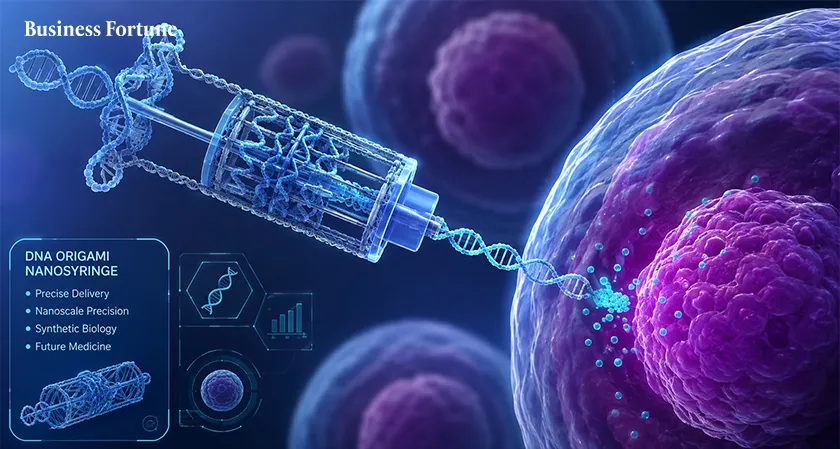
The method relies on small lipid particles, called liposomes, to carry a combination of drugs such as everolimus or rapamycin along with vinorelbine, directly to cancer cells. By making sure both drugs arrive at the same cells at the same time, researchers aim to improve effectiveness while reducing the side effects that come with higher doses.
Debabrata Mukhopadhyay, Ph.D., a professor of biochemistry and molecular biology at Mayo Clinic, a nanotechnologist and a senior author of the study stated that Glioblastoma remains extremely difficult to treat due to drug resistance and limited drug delivery to the brain. Their approach is designed to improve both by targeting the tumor directly and combining therapies in a way that enhances their impact.
According to Alfredo Quinones-Hiñojosa, M.D., dean of research emeritus and chair emeritus of the Department of Neurosurgery at Mayo Clinic and a senior author on the study, the new approach represents a promising direction for treating glioblastoma patients and advancing new technologies and therapies and added that more research will be necessary to determine whether these findings apply to patients, “we can one day improve the survival of patients with brain cancer by delivering novel cancer therapies to the brain," he said.
This development marks a significant step forward in tackling one of the most challenging forms of brain cancer. By combining precision drug delivery with a dual-therapy strategy, the Mayo Clinic team is opening new possibilities for more effective and less toxic treatments.
As Business Fortune sees it, innovations like this signal a shift toward smarter, targeted therapies that could redefine the future of cancer treatment.
About the Author
Sowmiya Sri Mani is a writer for Business Fortune, covering AI, Robotics, Software, Entrepreneurship, and Opinion. She delivers clear and engaging insights on emerging trends and industrial developments, helping readers understand the evolving landscape of technology and innovation.


.webp)