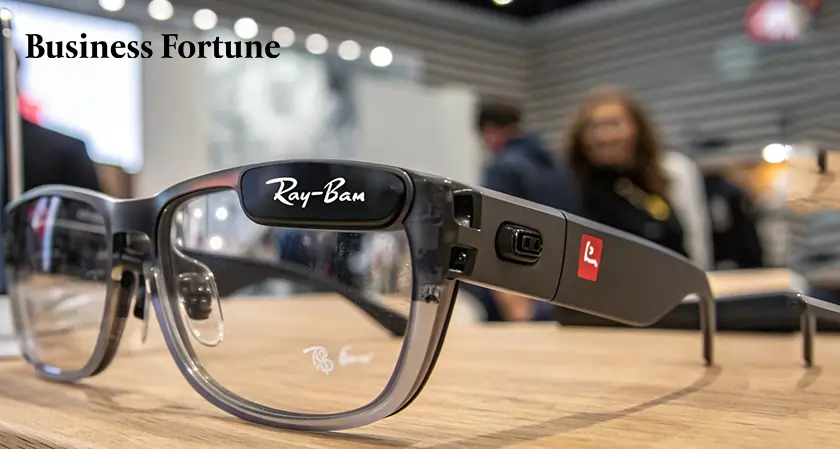
Meta is reportedly developing new Ray-Ban smart glasses tailored for prescription users, aiming to expand everyday adoption of AI eyewear.
Meta is planning to release two new versions of its AI-powered Ray-Ban smart glasses aimed at users who need prescription lenses, potentially broadening the wearable's appeal for everyday use. The Verge was the first to disclose that the future versions have been named Ray-Ban Meta Scriber and Ray-Ban Meta Blazer, according to a redacted filing submitted to the US Federal Communications Commission (FCC).
The devices are anticipated to come in both rectangular and rounder frame types and are being designed in collaboration with Ray-Ban's parent company, EssilorLuxottica. It is thought that Meta's upcoming augmented reality portfolio does not include the new devices. Instead, they seem to expand upon the company's current smart glasses platform, which supports prescription lenses but was not initially created with prescription users in mind. The Ray-Ban Meta Blazer Large, a third product mentioned in the file, is anticipated to be a larger size version of the Blazer model.
The new glasses will probably still include many of the same features as earlier versions, such as a charging case, Bluetooth and Wi-Fi networking, and smartphone pairing for highly computational activities. Meta's expansion into prescription-focused wearables follows statements made earlier this year by CEO Mark Zuckerberg, who emphasized the long-term potential for vision-correction eyewear. The company seems to be placing a wager that in the next years, AI-enabled glasses may become a common device gadget.
The market for smart glasses is becoming more competitive, and Apple is working on a wearable eyewear product of its own. Concerns over privacy are also causing Meta's smart glasses to come under further scrutiny. The UK's Information Commissioner's Office is apparently looking into related matters, and the corporation is the target of a class action lawsuit in the US. Meta has maintained that user media is stored on the device unless users wish to share it.
Thus, Business Fortune is of the view that Meta’s new smart glasses could expand everyday AI wearable adoption despite growing privacy and market challenges.


.webp)