New analysis shows protected areas restrict access to waters, endangering livelihoods, cultural knowledge, and intergenerational fishing practices in South Africa.
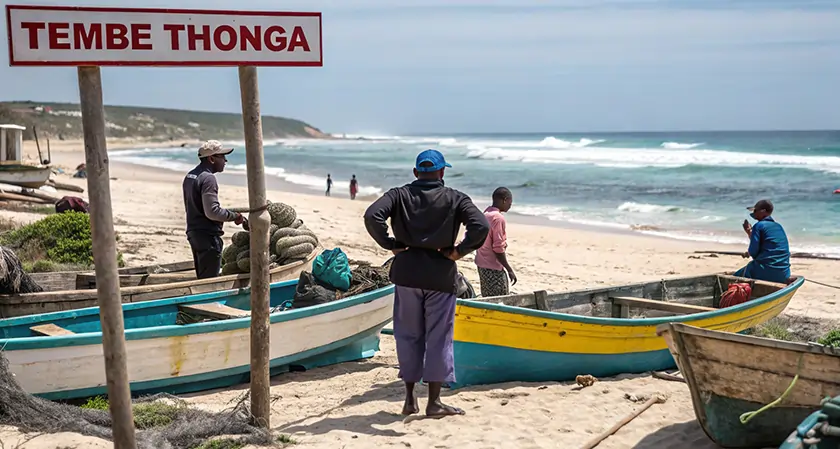
The Tembe Thonga of South Africa are facing challenges in continuing to practice their unique fishing practices for generations because they were displaced from their ancestral homes for conservation reasons, which they have been based out of for centuries, according to analysis released today. The Thonga have lived in the northeast of KwaZulu-Natal and have practiced multiple traditional forms of fishing and created an enormous body of knowledge regarding the ecosystem in which they operate and rely upon for survival.
Due to their close ties to the sea and wetlands, the Tembe Thonga have a distinctive fishing method that has been used to preserve families and transmit cultural knowledge across generations. Unfortunately, due to the limitations associated with conservation methods that established protected areas, many families have already been forced to leave their traditional harvesting grounds and encounter new environmental conditions.
Community members state that those who have been displaced due to displacement-related activities have not only lost their source of livelihood but also their ability to continue using traditional fishing practices, which were the means to manage harvest and seasonal migrations. These cycles of fishing were also greatly affected by the natural cycles of both fish and coastal ecosystems and were used to regulate the timing of fishing and how to fish. Because of limited access, younger generations of community members have far fewer opportunities than before to be taught these skills directly with the aid of the elders.
According to local advocates, these circumstances are indicative of larger conflicts between cultural survival and the preservation of the environment. Critics argue that when people who have traditionally depended upon those ecosystems and have been responsible for their well-being are excluded, it deteriorates the ecological and human resilience of those ecosystems despite the stated objectives of protected areas to enhance biodiversity and retain the integrity of the landscape. Research shows that by providing strong rights and including traditional fisheries into resource management as full partners, we can create more sustainable outcomes for both the fisheries and food systems.


.webp)