
WesCEF delivered strong FY26 growth as higher fertilizer prices and lithium production offset supply disruptions caused by Middle East conflict.
WesCEF earnings rose 18.5% to $473 million in FY26, while revenue increased 5.9% to $3.14 billion, as higher nitrogen fertilizer and spodumene concentrate prices supported Wesfarmers’ chemicals, energy and fertilizers division despite supply disruptions linked to the Middle East conflict.
Fertilizer Prices Lift WesCEF Performance
The result reflected sharply different conditions across WesCEF’s portfolio. Fertilizer earnings improved as nitrogen prices strengthened, although higher import costs in the second half reduced some of the gains. The division also benefited from stronger lithium pricing and production at the Mount Holland operation.
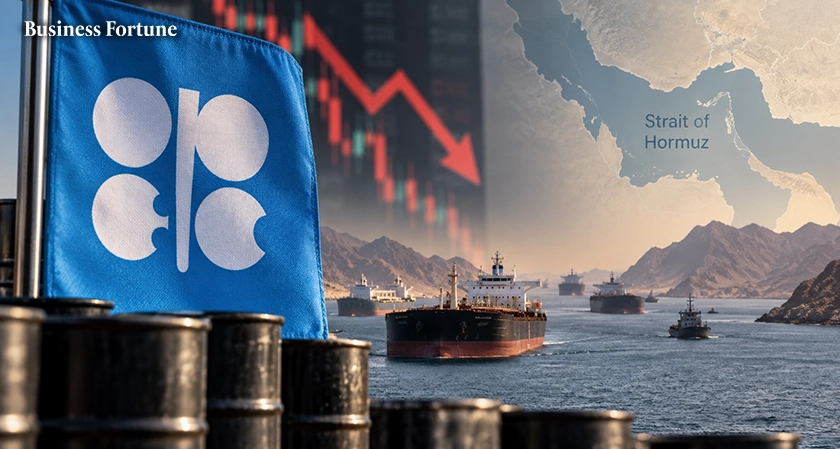
The disruption around the Strait of Hormuz created significant challenges for urea and ammonia supply. CSBP Fertilizers increased domestic manufacturing and sourced product from alternative regions to maintain supplies for Western Australian growers. WesCEF also increased fertilizer inventories to reduce the risk of further supply interruptions.
Key developments from FY26 include:
-
WesCEF revenue climbed 5.9% to $3.14 billion
-
Earnings increased 18.5% to $473 million
-
Fertilizer earnings benefited from higher nitrogen prices
-
Ammonia production reached 269,000 tonnes during FY26
-
Ammonium nitrate production rose to 863,000 tonnes
The division produced 269,000 tonnes of ammonia during the year, up 2.3%, while ammonium nitrate output increased 1.5% to 863,000 tonnes.
Ammonia Normalization Supports FY27 Outlook
Chemical earnings were pressured by the rapid increase in ammonia index prices following the escalation of the Middle East conflict. Because sales contracts carry a pricing lag, the higher costs weighed on second-half earnings.
WesCEF managing director Aaron Hood expects the situation to reverse as ammonia prices normalize. He said the benefit was already beginning to emerge in the first quarter of FY27, creating a more positive earnings outlook. The company also expects expanded ammonium nitrate and sodium cyanide capacity to contribute from FY27.
The WesCEF FY26 results also underline the importance of supply-chain resilience for Australia’s fertilizer sector. CSBP’s response to disrupted international shipments helped maintain product availability for Western Australian agriculture.
Business Fortune believes that WesCEF’s resilient supply strategy and improving ammonia prices could strengthen earnings momentum through FY27.
FAQs
What are WesCEF earnings for FY26?
WesCEF earnings increased 18.5% to $473 million in FY26.
What was WesCEF revenue in FY26?
Revenue rose 5.9% to approximately $3.14 billion.
Why did WesCEF earnings increase?
Higher nitrogen fertiliser and spodumene concentrate prices supported earnings.
How did the Middle East conflict affect WesCEF?
It disrupted ammonia and urea imports and increased input costs.
What is the WesCEF FY27 outlook?
Management expects ammonia price normalisation and expanded capacity to support earnings.


.webp)






























Comments