Business Fortune
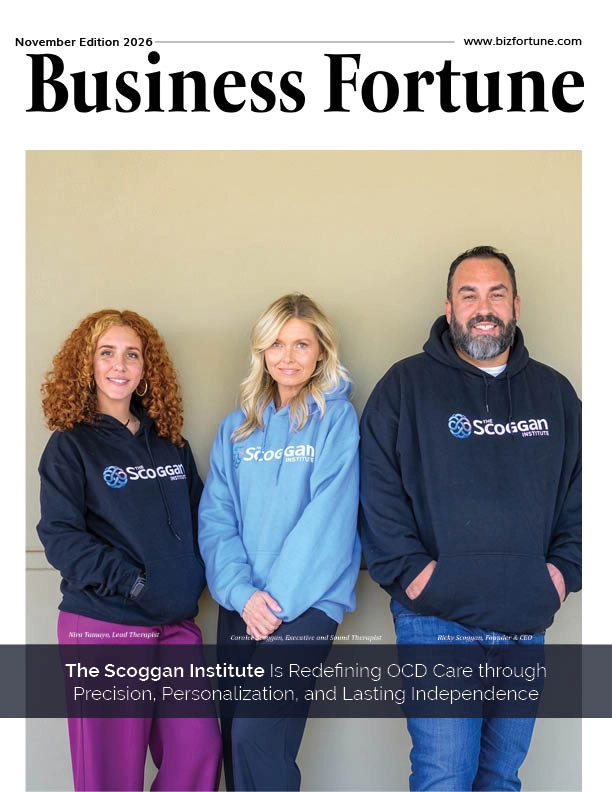
The Scoggan Institute is redefining OCD and anxiety treatment by focusing on personalized care, practical skills, and long-term independence rather than prolonged therapy. The Institute was born from founder Ricky Scoggan’s years of experience across treatment programs, where he repeatedly heard clients describe unsuccessful treatment, limited progress, and relapse.
Based in Scottsdale, Arizona, The Scoggan Institute combines education, mindset training, and structured exposure therapy to help clients understand OCD and develop the skills needed to manage it long after formal treatment ends. Its approach, known as The Scoggan Method, places strong emphasis on practical skills, measurable progress, and helping clients become their own best therapists.
Since opening its doors in December 2024, the Institute has expanded to multiple offices in Scottsdale and Salt Lake City, alongside telehealth services reaching clients across Arizona, Utah, and Colorado. Its reputation has also attracted clients from around the world.
Today, The Scoggan Institute is growing beyond clinical care into professional education and training. Through The Scoggan Method and its upcoming The Clinician’s Cookbook, the Institute is sharing its structured approach with clinicians while continuing to advance its mission of making effective OCD treatment more accessible and impactful.
Business Fortune spoke exclusively with The Scoggan Institute’s founder and CEO, Ricky Scoggan, about the Institute’s mission to transform OCD treatment through personalized care, clinician training, family integration, innovation, and lasting client independence.
Interview Highlights
What are the key services you currently provide, and what needs are they designed to address? What do you believe makes your overall approach different from more conventional treatment settings?
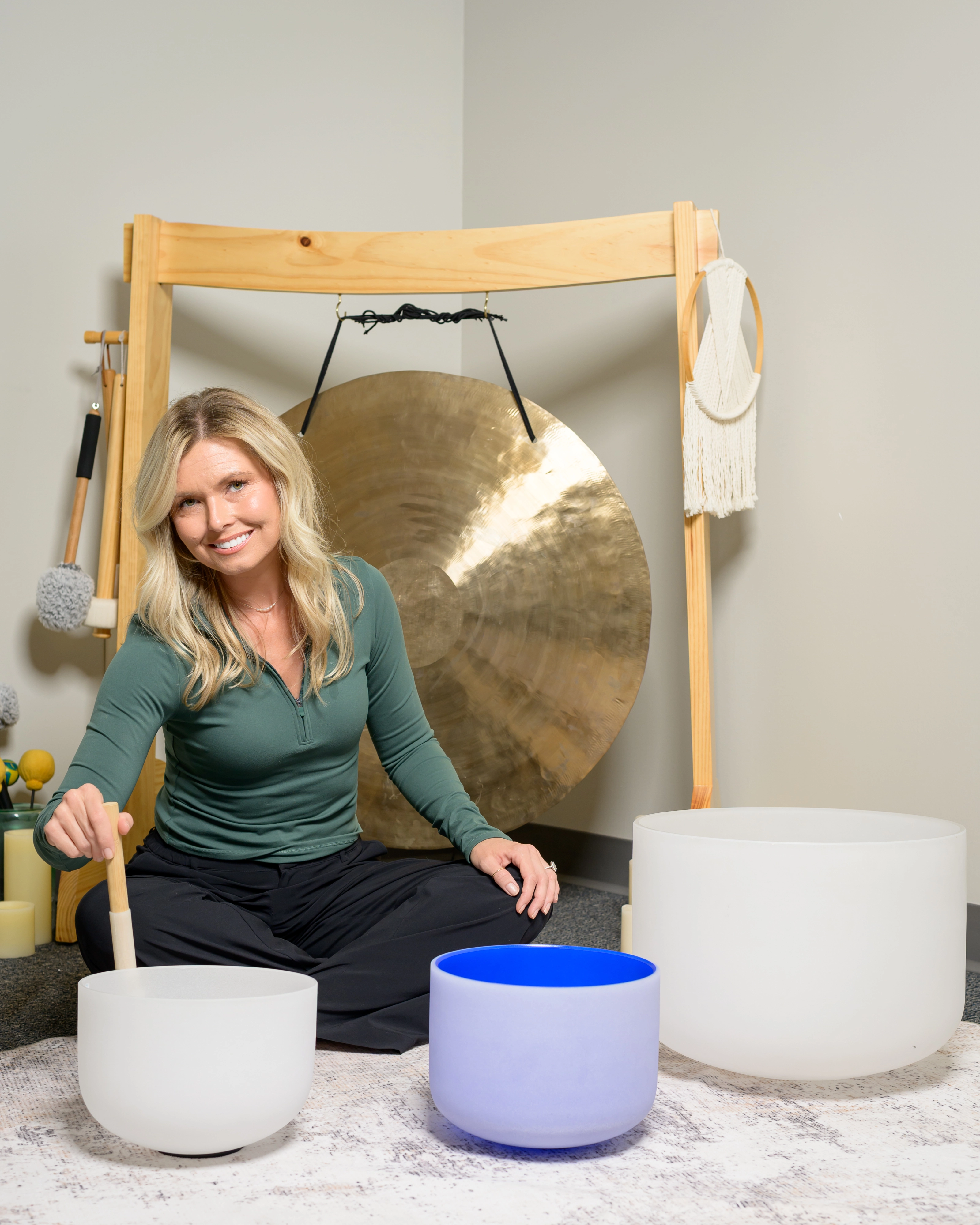
Our core is specialized outpatient treatment for OCD and anxiety disorders. This includes individual therapy, our personalized Intensive Outpatient Program (p-IOP), family integration throughout treatment, psychological assessments with Dr. Lee Underwood, available in most U.S. states, and home- and community-based visits when exposure work needs to happen in real life. We treat a full range of OCD presentations, from contamination and harm to scrupulosity, relationship OCD, Pure O, perinatal OCD, emetophobia, and body dysmorphic disorder. We also offer sound therapy, led by Carolee Scoggan. For clients with more severe symptoms, it can help reduce anxiety without medication so they can fully engage in treatment.
What makes us different starts with sequence: education on how OCD works in the brain, then mindset, then treatment. After that, it is precision. Conventional settings may treat OCD as general anxiety or offer exposure in a generic, one-size-fits-all way. We map each client’s fears, emotions, and compulsions in detail, then design exposures that target the mechanisms keeping them stuck. Sessions are structured and active, so clients leave with practical skills, not just insight. Families are involved throughout treatment because OCD affects the whole household.
Your work includes approaches such as CBT, ERP, ACT, I-CBT, group programs, and other specialized services. How do you determine which approach is right for each individual client? How important is personalization when developing a treatment plan?
Personalization is everything. Two people can both have “contamination OCD” and need completely different treatment. One may be driven by disgust, another by guilt, and another by a sense that something is simply not right. If you miss that, you design the wrong exposures.
We start with a thorough assessment, including formal psychological testing when needed. From there, we identify the emotions driving the fear, the compulsions and mental rituals involved, and how deep the fear goes. That map tells us which evidence-based tools to use. Exposure and Response Prevention (ERP) is the backbone of most OCD treatment, supported by approaches such as ACT, I-CBT, CBT, and DBT when a client needs them.
The plan is never fixed. To keep it honest, we built our own in-house system, The Scoggan OCD Tracker. Every client is assessed at the beginning of every session, allowing us to see day-to-day changes and adjust the plan in real time. We will soon be sharing the Tracker with other treatment programs.
Beyond one-on-one therapy, The Scoggan Institute also provides programs and additional forms of support for clients and families. How do these offerings complement the core treatment experience?
We are one of the few programs in the country where the family goes through treatment alongside the client. I believe OCD is not something one person in a family carries alone. It is a disorder the whole family lives with, so the whole family needs support. Loved ones often get pulled into reassurance, avoidance, and rituals out of love, and that accommodation can quietly keep the disorder going. So we treat the system, not just the symptom. In our experience, when families are part of therapy, success rates rise by 10 to 20 percent.
Family integration is built into the program, not added on. Parents and spouses join sessions, learn the same language and tools as the client, and learn how to respond to OCD without feeding it. When helpful, we conduct home visits, allowing us to do exposure work where fears actually occur, such as in a kitchen, bedroom, or family car.
We also support family members themselves, helping them process the confusion, exhaustion, guilt, fear, or resentment that can come with living alongside OCD. My upcoming book, Stop Feeding It, was written for these families. Clients may also add a 12-week I-CBT Skills Group as a supplement to individualized treatment. These offerings extend the work beyond therapy, helping progress carry into everyday life.
Among the Institute’s offerings, which program or service would you consider one of your best and what makes it stand out? What impact have you seen it make for the people you serve?
Our personalized Intensive Outpatient Program (p-IOP) is the program I am proudest of. It is designed for people who cannot afford to wait months for weekly sessions to add up, including many who travel to Scottsdale from around the world. Our clients range from families to high-profile individuals, including celebrities and professional athletes, who need focused and discreet care.
In a concentrated period, clients receive daily, highly structured exposure work tailored to their specific fears. We stage exposures carefully, move at a pace that is challenging but safe, and practice in practical setting. Families go through the program with the client, learning the same skills and language so gains carry over at home. Before a client leaves, we create a clear plan for maintaining progress, often continuing through telehealth.
How does The Scoggan Institute approach client relationships and what do you believe is essential to creating an environment where people feel genuinely understood and supported?
People with OCD often carry thoughts they have never said out loud, sometimes for years, because they fear what those thoughts might mean about them. The first thing we owe them is a room where nothing they say will shock us. When a client realizes their clinician has heard it before and understands exactly what it is, the shame begins to loosen.
From there, the relationship becomes a partnership. We explain how OCD works in plain language, so clients understand what they are facing. We never force an exposure. We agree on the plan together, and the client remains in control of the pace. We are warm, but also honest. Real support sometimes means gently pointing out a compulsion the client has not noticed.
Consistency matters too. Clients know what each session will look like, how progress is measured, and who to contact if they are struggling. Being understood is not only about empathy. It is about knowing that the people helping you truly understand what they are doing.
Looking ahead, what is your vision for the future of The Scoggan Institute? Are there particular goals, new programs, locations or areas of growth that you are especially excited about as you look to the next few years?
My vision is for The Scoggan Institute to become a national center of excellence for OCD treatment and clinician training. We plan to expand in Utah and Colorado, and eventually Florida and Texas, but growth will never mean volume. We have deliberately chosen to build around quality of treatment rather than revenue. Strong outcomes drive our reputation, referrals, and growth, while keeping the client and family at the center.
I do not believe in a managed care model built around group therapy. It may work in areas such as substance use treatment, but OCD is deeply personal. Each person’s fears, compulsions, and triggers are different, so quality therapy must be individualized, not mass-produced. Every new location we open will follow that same principle. Our goal is to expand our reach without compromising the personalized care that defines The Scoggan Institute.
The area I am most excited about is education. I have three books coming out:
- The Clinician’s Cookbook for OCD Exposure Therapy teaches clinicians to deliver treatment the way we do, with step-by-step exposure “recipes” across the full range of OCD.
- Stop Feeding It is written for families, helping parents, spouses, and loved ones understand OCD, stop accommodating it, and support recovery at home.
- My upcoming mindset book is for anyone working to overcome anxiety and depression. It builds the healthy, empowered attitude needed for meaningful change.
We are also developing structured training and certification in The Scoggan Method, enabling therapists across the country to deliver high-quality exposure therapy in their own communities.
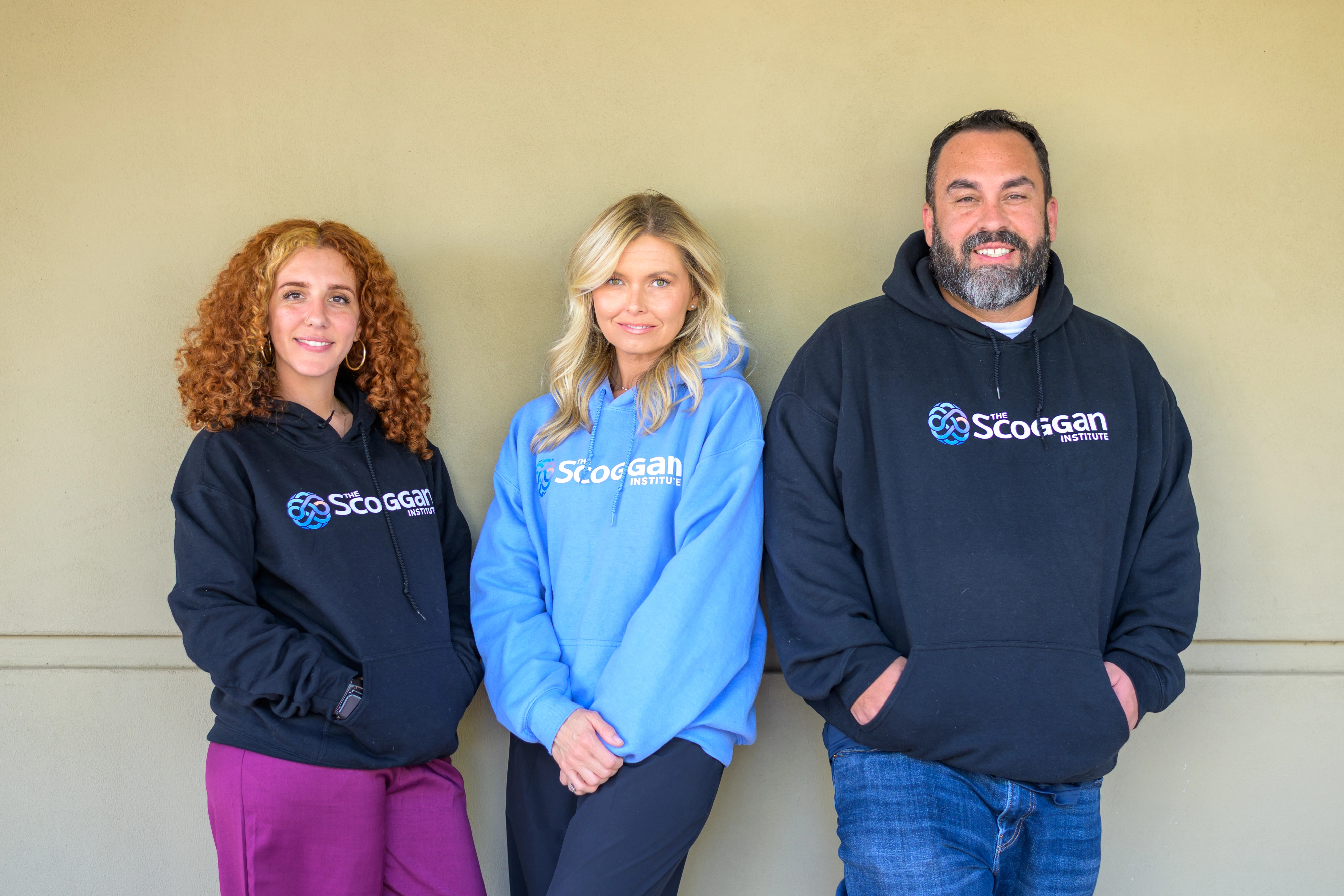
The Leadership behind The Scoggan Institute
Ricky Scoggan, Founder and CEO
Ricky Scoggan is the founder of The Scoggan Institute, an outpatient practice specializing in OCD and anxiety disorders, with offices in Scottsdale, Arizona, and Salt Lake City, Utah. His background spans neuropsychology, forensics, and systems psychology, and he is licensed as a Marriage and Family Therapist in Arizona and Utah. Before founding the Institute, he held executive roles in numerous treatment programs and built successful programs for other organizations.
Carolee Scoggan, Executive and Sound Therapist
Carolee Scoggan is Ricky’s wife and a driving force behind The Scoggan Institute. As an executive, she has helped build the company from the ground up, shaping its operations, culture, and growth alongside Ricky.
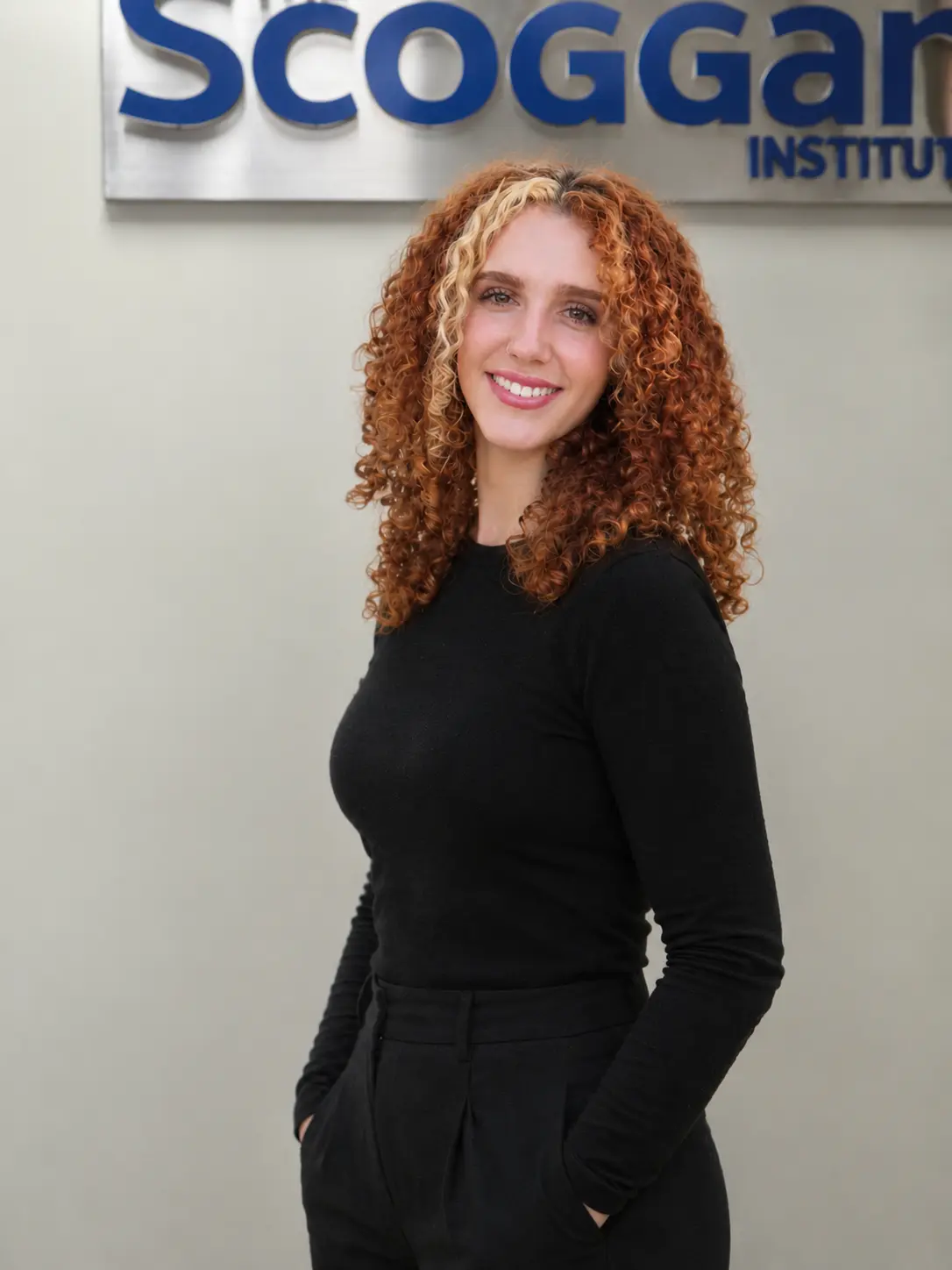
Nira, Lead Therapist
Nira is the lead therapist at The Scoggan Institute and a direct understudy of Ricky Scoggan’s system. Trained hands-on in The Scoggan Method, she delivers the Institute’s education, mindset, and treatment approach with the same structure and precision on which it was built. Calm, direct, and deeply attuned, she helps clients face difficult thoughts and move toward their fears.














.webp)