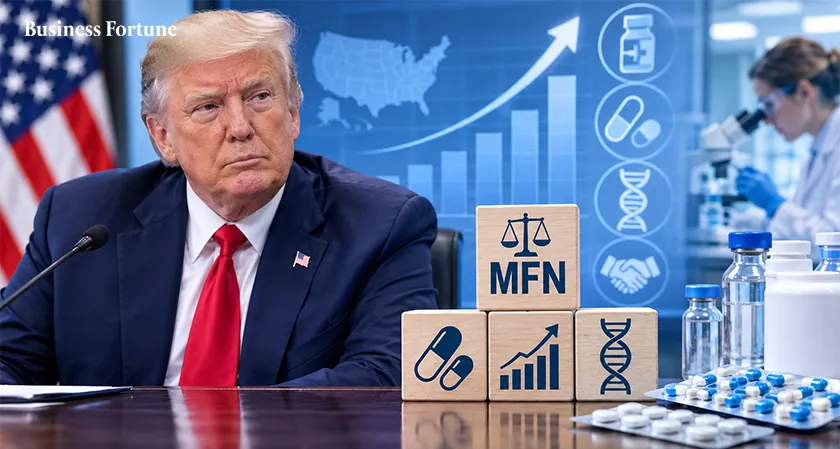
Midsize biotech companies may offer lower Medicaid drug prices under Trump’s MFN strategy, potentially reducing costs for states and patients.
The Trump administration is preparing to announce new Trump drug pricing deals with midsize biotech companies, extending its most-favored-nation (MFN) strategy to outpatient medicines supplied through state Medicaid programs. The voluntary agreements would require participating companies to offer discounts that bring U.S. Medicaid prices closer to those charged in other developed countries. The announcement is expected Monday, although the companies involved have not yet been publicly identified.
Key Takeaways
-
Midsize biotech firms may join voluntary pricing agreements.
-
Medicaid drug prices could align with foreign prices.
-
Deals expand Trump's most-favored-nation pricing strategy.
-
Previous agreements involved 17 major pharmaceutical companies.
-
Savings estimates remain difficult to independently assess.
MFN Pricing Push Reaches Biotech
These new arrangements will expand a procedure that has already received commitments from 17 pharmaceutical manufacturers. With the use of the MFN policy, the participating drug makers have pledged to supply particular drugs at costs similar to the prices charged in other affluent countries.
The White House has projected substantial savings from the broader program, including an estimated $64.3 billion in combined federal and state Medicaid savings over a decade. However, limited public disclosure about the deals has prevented external analysts from assessing those forecasts.
Medicaid Becomes a Major Focus
State Medicaid programs would receive access to discounted outpatient medicines under the proposed arrangements. Participation by states remains optional, while the agreements could provide participating biotech companies with certain regulatory or policy benefits.
The administration has also used drug pricing agreements alongside efforts involving GLP-1 medicines and expanded Medicare coverage for obesity healthcare. The broader objective is to reduce the gap between U.S. prescription drug prices and those paid internationally.
However, for the medium-sized biotech companies, this approach may prove to be much more challenging than it was for the large-scale pharmaceutical makers. Being dependent on less variety of drugs, such firms find it hard to cut their prices substantially.
Drug Tariffs Add Pressure
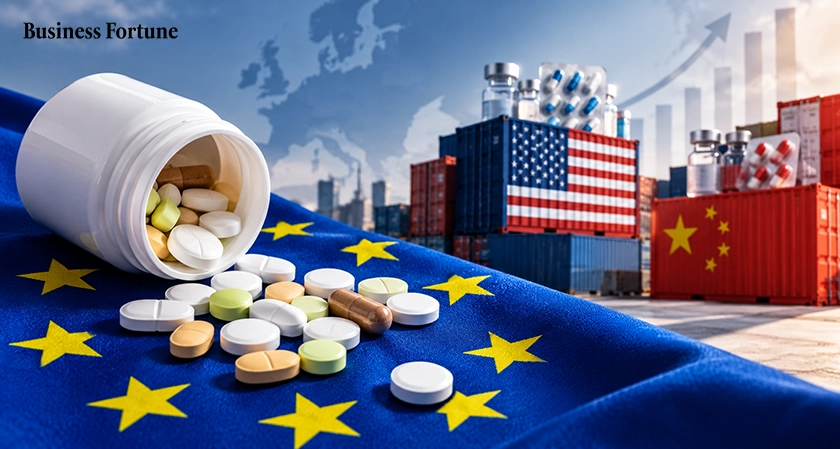
The new biotech drug pricing agreements are also emerging alongside the administration's pharmaceutical tariff strategy. Companies that reach MFN pricing arrangements have received, or may receive, protection from certain tariff measures, adding another incentive to negotiate with the government.
That combination of lower pricing commitments and tariff relief could become particularly important for midsize biotech companies managing manufacturing, research and development, and international pricing pressures.
Business Fortune believes that expanding drug pricing agreements to biotech firms could reshape Medicaid costs while intensifying pressure on pharmaceutical pricing.
FAQs
What are the new Trump drug pricing agreements?
They are voluntary agreements aimed at lowering outpatient drug prices for state Medicaid programs.
Which biotech companies are expected to join the agreements?
The administration has not publicly identified the midsize biotech companies expected to participate.
How could the deals affect Medicaid drug costs?
Participating companies would offer discounts designed to bring Medicaid prices closer to international levels.
What is the most-favored-nation drug pricing model?
It links U.S. medicine prices to prices charged for comparable drugs in other high-income countries.
Why are these biotech agreements significant?
They expand the administration’s drug pricing strategy beyond large pharmaceutical companies and could influence future biotech pricing negotiations.


.webp)




























Comments