Fastest Growing Companies to watch 2026
Business Fortune
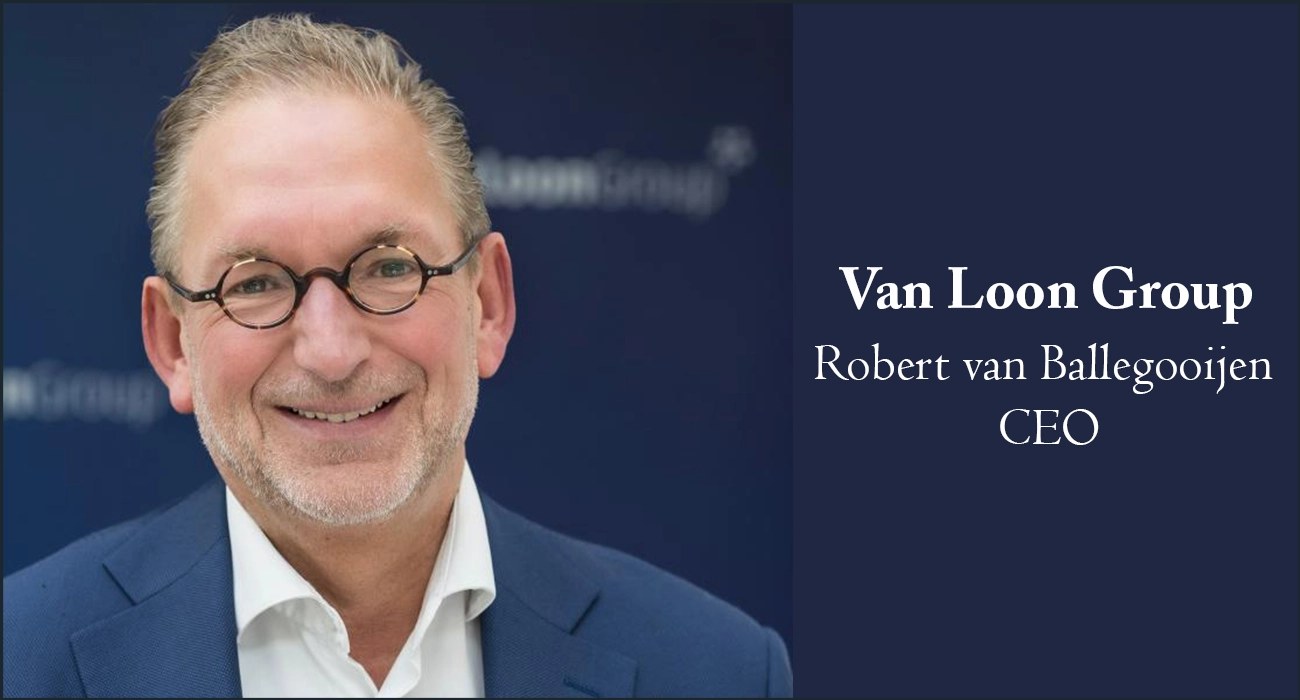
Founded in 1971 as a small catering butcher in Eindhoven, Van Loon Group has developed into one of Europe’s prominent family-owned food companies. What began as a local butcher shop has steadily expanded into a vertically integrated organisation operating across the meat, convenience, and hybrid protein sectors.
Today, the company serves retail, foodservice, and industrial customers throughout the Benelux and beyond. Headquartered in Son en Breugel in the Netherlands, it oversees a broad network of production sites and specialised business units. These include Van Loon Retail, Van Loon Foodservice, Van Loon Convenience, and its Beef & Pork division.
This structure enables Van Loon Group to manage the entire food chain—from sourcing livestock to delivering ready-made meals—while maintaining control over quality, efficiency, and responsiveness to market trends.
A Chain Director Approach to Food Production
Van Loon Group positions itself as a “chain director” rather than a traditional processor. This means it actively coordinates and influences the entire supply chain, from farmers and suppliers to end retailers. The goal is not only operational efficiency, but also improved standards in animal welfare, food safety, and sustainability.
By taking responsibility across the chain, the company aims to create greater transparency in food production. This approach allows it to respond quickly to consumer expectations while also shaping long-term improvements in how food is produced and distributed.
The company’s guiding mission reflects this mindset: making sustainable, tasty, and healthy food accessible to everyone. It reinforces the belief that good food should not be a privilege, but a standard available to all consumers.
Innovation Through Changing Consumer Trends
As dietary habits evolve across Europe, Van Loon Group has expanded its focus beyond traditional meat products. The rise of flexitarian diets and demand for plant-based alternatives has encouraged the company to invest in hybrid and alternative protein solutions.
Through initiatives such as The Blue Butcher and dedicated innovation programs, Van Loon explores ways to combine meat expertise with plant-based ingredients. This approach allows the company to meet modern consumer expectations while staying rooted in its core knowledge of protein production.
In addition, strategic acquisitions of companies such as Enkco, Bonfait, and Promessa have strengthened its position in ready meals, convenience foods, and retail solutions. These developments support Van Loon’s transformation into a full-spectrum food solutions provider rather than a single-category producer.
Sustainability and Responsibility at the Core
Sustainability plays a central role in Van Loon Group’s long-term strategy. The company continuously invests in improving energy efficiency, reducing waste, and lowering emissions across its production facilities. Renewable energy adoption and smarter logistics systems are part of its broader environmental goals.
Responsibility also extends to sourcing practices and supply chain management. By working closely with suppliers and farmers, Van Loon aims to ensure better standards in animal welfare and more responsible resource use.
Alongside environmental priorities, the company maintains a strong people-focused culture. As a family-owned business, it emphasises collaboration, accountability, and continuous improvement. Employees are encouraged to contribute ideas, take ownership, and grow within a culture that values long-term progress over short-term gains.
A Growing European Food Leader
Today, Van Loon Group stands as a major player in the European food industry, supplying products to leading retail chains, foodservice providers, and industrial clients. Despite its scale, it continues to operate with the mindset of a family business—focused on quality, responsibility, and innovation.
Its journey from a single butcher shop to a diversified food group reflects broader changes in the global food industry. Consumers increasingly expect food that is sustainable, affordable, and adaptable to changing lifestyles. Van Loon Group’s strategy is built around meeting those expectations while shaping a more responsible food system.