Business Fortune
Degenerative disc disease, one form of chronic lower back pain afflicts millions of Americans each year. These figures are expected to rise with the aging population and the need for effective resolution of intervertebral disc degeneration. SpinalCyte, a company which started in Houston in 2008, is one of the early company in regenerative medicine concentrating on spinal disc regeneration with human dermal fibroblasts.
SpinalCyte was created to address the degenerative disc disease that patients commonly present and that leads to chronic back pain. The company utilizes a different strategy where instead of conducting a spinal surgery; the discs are regenerated using human dermal fibroblasts. This methodology appears to have a lot of potential not only in terms of enhancing the health of the discs but also in providing a gentle intervention for individuals with back pain.
Revolutionizing Spinal Procedures & Chronic Diseases Treatment
SpinalCyte has created a new approach to regenerative medicine through the use of human dermal fibroblasts to treat degenerative disc disease. One way of conserving the spine without complicated surgeries, this techniques replaces the worn out discs which are key to spine health and shields the back from consistent pain.
Recently developed by the company, its technology is now used for cancer, diabetes and other systemic diseases with successful clinical trials. In consequence, significant developments in fibroblast-based therapies developed by SpinalCyte will define new approaches to improve the quality of life for millions of patients struggling with chronic diseases.
New Approaches on Regenerative Medicine
SpinalCyte focuses on developing a new non-invasive treatment method for Degenerative Disc Disease (DDD) by using human dermal fibroblasts in specialized models. By treating fibroblasts with hydrostatic pressure, they transform into chondrocytes, potentially offering a more effective treatment option than traditional methods like spinal fusion. This innovative approach allows SpinalCyte to replace the nucleus pulpous in the intervertebral disc, addressing the root cause of chronic back pain in a less invasive manner.
Broadening the scope of Regenerative Medicine
SpinalCyte has only concentrated on the regeneration of spinal discs but possesses patents and applications for different regions of therapeutic with cancer, diabetes, neurological disease, etc. Their work with fibroblasts offers them a treatment to Chronic diseases like Parkinson and multiple sclerosis. Their research not only benefits spinal disc repair but also offers hope for a wide range of diseases beyond spinal disorders, making them key players in cell therapy.
A Growing Treatment Options Pipeline
SpinalCyte is currently conducting research on therapies of chronic diseases with a major emphasis on reducing the inflammatory response and tissue repair utilizing fibroblasts. Cancer, diabetes, and several other clinical trials are advancing and proving to be effective. The company also holds surgical access patents to enhance regenerative effectiveness and improve surgical precision and speed. These advancements are expected to enhance localized therapies with minimal damage to surrounding tissues.
A Look Ahead to Future
SpinalCyte offers a groundbreaking approach to regenerative medicine for chronic conditions, supported by strong patent protection and advanced technology. Their fibroblast-based treatments show promise in revolutionizing the health sector. With a focus on constructive treatment for structural diseases, SpinalCyte aims to lead the way in providing innovative solutions.
With the focus on enhancing the regenerative properties of fibroblasts and advancing the second generation of cell therapy, SpinalCyte is now resuscitating possible medical solutions that could enhance the lives of millions of people in the world.
About the Leader
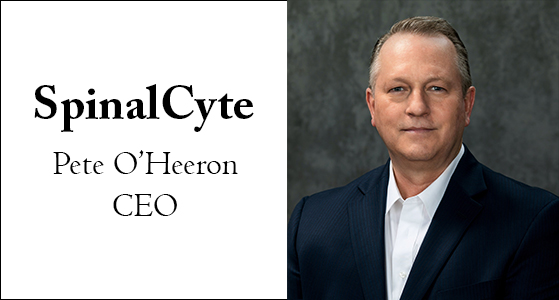
Pete O'Heeron, Chief Executive Officer of SpinalCyte has over 20 years of corporate experience in the medical technology industry responsible for the company’s continued innovation in the field of regenerative medicine and diversification into other therapies.


.webp)