Fastest Growing Companies to watch 2026
Business Fortune
Histologics LLC was founded in 2008 with a clear, human-centered mission: to modernize tissue sampling in women’s health by making it more compassionate, safe, and clinically effective. Built on decades of leadership in gynecology, cancer prevention, and medical innovation, the company is driven by a simple belief that high-quality care should never come at the cost of patient comfort or dignity.
Histologics is best known for pioneering Kylon® fabric biopsy technology and the concept of “Compassionate Colposcopy®”.This breakthrough replaces traditional sharp, reusable metal biopsy tools with gentle medical-grade fabric devices that a-traumatically collect tissue samples. The result is a gentler experience for patients, less pain and bleeding, and broader, higher-quality specimens for clinicians and pathologists. A similar path followed this women’s health focus transforming wound debridement and tissue sampling during advanced chronic wound care.
The company’s foundation is deeply rooted in clinical research, education, and public health. Its founder is a recognized key opinion leader in colposcopy and cervical cancer prevention, with a long history of inventing and commercializing innovations in screening and diagnostics.
Today, Histologics is redefining the standard of care in gynecology, wound care, and beyond. By combining compassion with scientific rigor, the company is transforming how tissue sampling and abnormal tissue debris removal is performed, ensuring modern medicine is not only precise and efficient, but also respectful of the patient experience.
Business Fortune spoke exclusively with Dr. Neal M. Lonky, Founder and CEO of Histologics LLC, who shared how the company is modernizing tissue sampling through its Kylon® medical fabric platform, transforming biopsy and wound care into safer, more compassionate, and more effective clinical experiences while expanding into new diagnostic and therapeutic domains worldwide.
Interview Highlights
What were some of the biggest challenges you faced in convincing clinicians and healthcare providers to adopt your new technologies?
Loyalty to what people learn and perfect during training often leads to the mindset, “If it isn’t broke, why fix it?” That is the challenge for any innovator, to demonstrate the value of transforming methods that carry accepted risks and side effects into approaches that reduce them, including trauma, poor lesion targeting, and cross-contamination from reusable tools.
We showed that something less invasive and faster does not sacrifice quality. In fact, in many cases, it boosts the diagnostic yield of the pathology specimen. Research behind the Kylon® medical fabric approach demonstrates that the brush-curette effect can obtain broader biopsies and ensure complete tissue capture, while also saving clinicians time.
It has been a win-win, and we have emerged as a new standard of care. Today, this advancement is taught at medical meetings as an innovative step in tissue biopsy during minor surgical procedures such as colposcopy and wound care, directly linked to identifying patients at risk of cervical cancer and wound pathology earlier and consistently.
Histologics’ mission mentions “advancing tissue sampling into the 21st century”. What does that mean in practical terms for patients and clinicians?
A patient- and provider-friendly alternative to sharp cutting tools enables cervical and endocervical biopsies to be performed in a minimally invasive way. It advances the early detection of dangerous, potentially deadly precursors before they progress into invasive cancer. In gynecology, this is truly a “Compassionate Colposcopy®” approach.
Could you explain the core differences between your Kylon® fabric–based devices and traditional biopsy tools? How does this translate into better patient experiences and clinical outcomes?
They feature broader brush faces that overcome errors in targeting colposcopically visible lesions and allow for a 360-degree biopsy of the entire cervical canal. This reduces missed pathology after positive HPV or Pap tests and helps eliminate delays in diagnosing high-grade precursors before they progress to cancer. It is lifesaving, but delivered with a compassionate approach.
What are some of the values that drive your team’s approach to innovation?
Affordable: Under six dollars per device at retail, per use.
Safe: Single-use and disposable, with a recyclable handle option. The tip contains the biopsy and is sent to the lab for diagnostics.
Efficient: Easily to learn this “broad brush” method in a colposcopy or wound care practice while it “auto-traps” the tissue reducing the procedure time.
Patient-Friendly: fear of trauma from biopsy or debridement reduced leading to better compliance to follow up needed care.
Histologics recently expanded its global reach into wound care and other markets. What strategies have been key to these expansions?
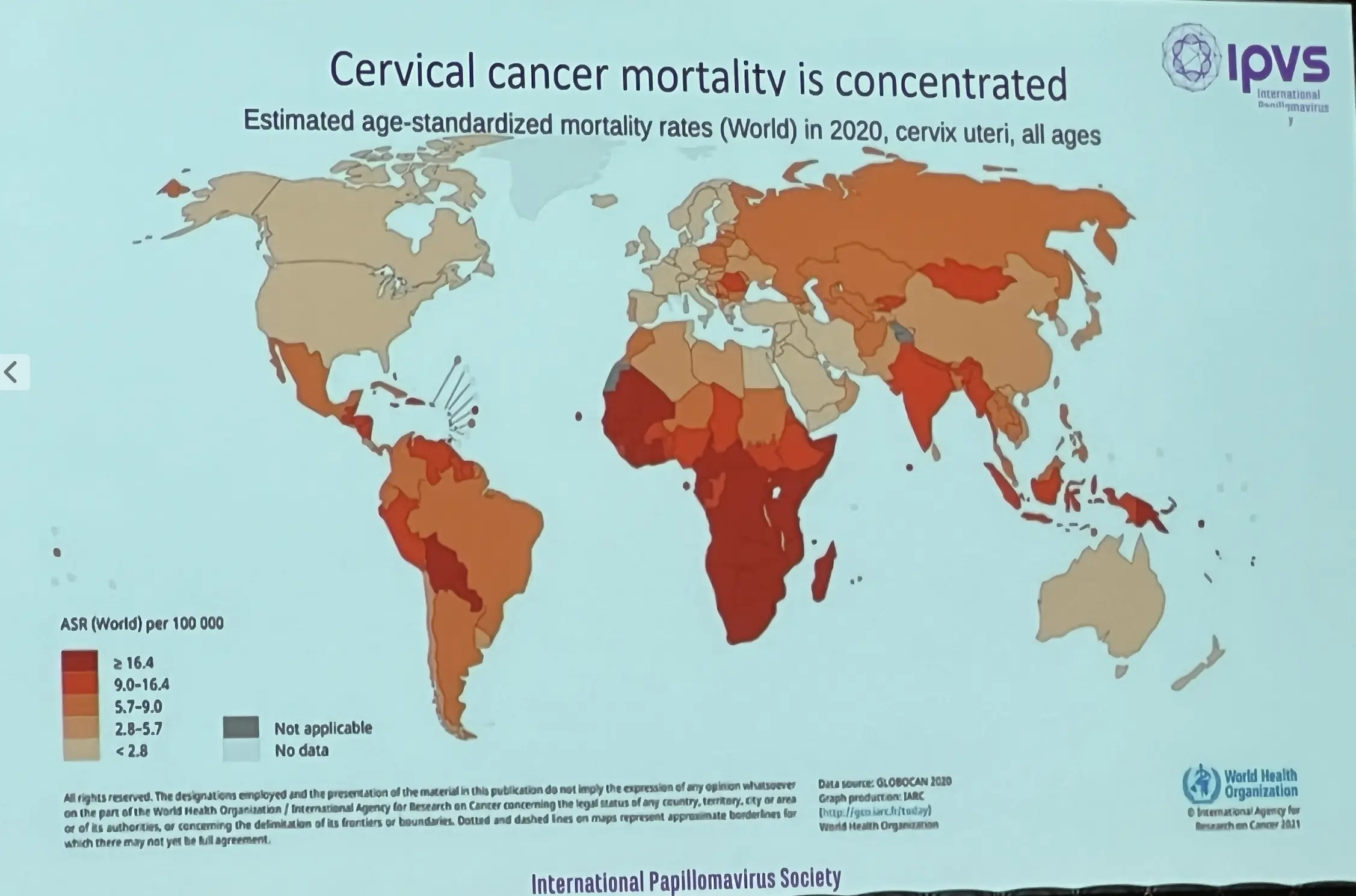
The NIH, NCI, and other research organizations are working to identify women with precancerous conditions in low-resource, high-burden countries. We have participated in clinical trials showing significant improvements when Kylon® fabric–based biopsies are used. We are also expanding into industrialized markets. This takes time, but the evidence is strong.
Your innovations have supported nearly two million clinical cases. Can you share any measurable outcomes?
Closer to two million cases now, mostly in the United States. Research shows our brush-curette “platform technology” increases the likelihood for complete biopsy episodes during colposcopy providing needed gold standard evidence to base treatment decisions. Wound biopsy and debridement are following a similar course as a gateway for more needed debridement and assessments for wound infection that delay healing, addressing a much larger public health challenge. Diabetes and other diseases have led to higher rates associated with chronic non-healing wounds, higher than that of cervical cancer.
Our technology is patient-friendly and efficient, provides abundant pathology samples, and is safe as a single-use disposable, especially in regions where HIV and other STIs make sterilization between procedures difficult.
-Photoroom.webp)
Looking ahead to 2026 and beyond, are there plans to expand into other clinical areas?
We are growing rapidly in advanced wound care and entering dermatology, oral cancer, and lower ano-genital diagnostics this year. In veterinary care, we are also emerging as a leading diagnostic and therapeutic manufacturer.
Under the Leadership of Histologics LLC
Neal Lonky, MD, MPH, is the founder and CEO of Histologics LLC, a medical device company dedicated to the diagnosis and effective treatment of tissue-based disease with a “compassionate” approach. He is Clinical Professor of Ob/Gyn at the University of California, Irvine, and continues to practice part-time as Partner Emeritus with the Southern California Permanente Medical Group. Dr. Lonky earned his BA from SUNY Buffalo, MD from SUNY Stony Brook, completed his Internship and Residency at Harbor UCLA, and holds a Public Health degree in Health Policy and Management from UCLA. He is a former elected member of the Board of Directors of the Southern California (Kaiser) Permanente Medical Group, a multi-awarded researcher, and recipient of Exceptional Contribution Alumni awards from both SUNY Stony Brook and UCLA School of Public Health.
As the multi-patented inventor of Histologics’ core Kylon® medical fabric, Dr. Lonky envisioned and accomplished the transformation of cervical/vaginal biopsy into a 21st century minimally invasive brush biopsy/tissue trap experience known as “Compassionate Colposcopy®”. The award-winning Kylon® platform has expanded into wound care for biopsy, biofilm diagnosis, and versatile debridement, enabling caregivers across expertise levels to provide “Compassionate Debridement at your Fingertips®”. It also serves veterinary medicine and will soon address other diagnostic and therapeutic specialties.


.webp)